How Difficult is the Tour?
The Best of Nepal and Tibet Tour is an easy-to-moderate trip. It is not a long day hike, but it does have a few long drives over the Tibetan Plateau and high-altitude trips. The tour is suitable for most travelers with average fitness.
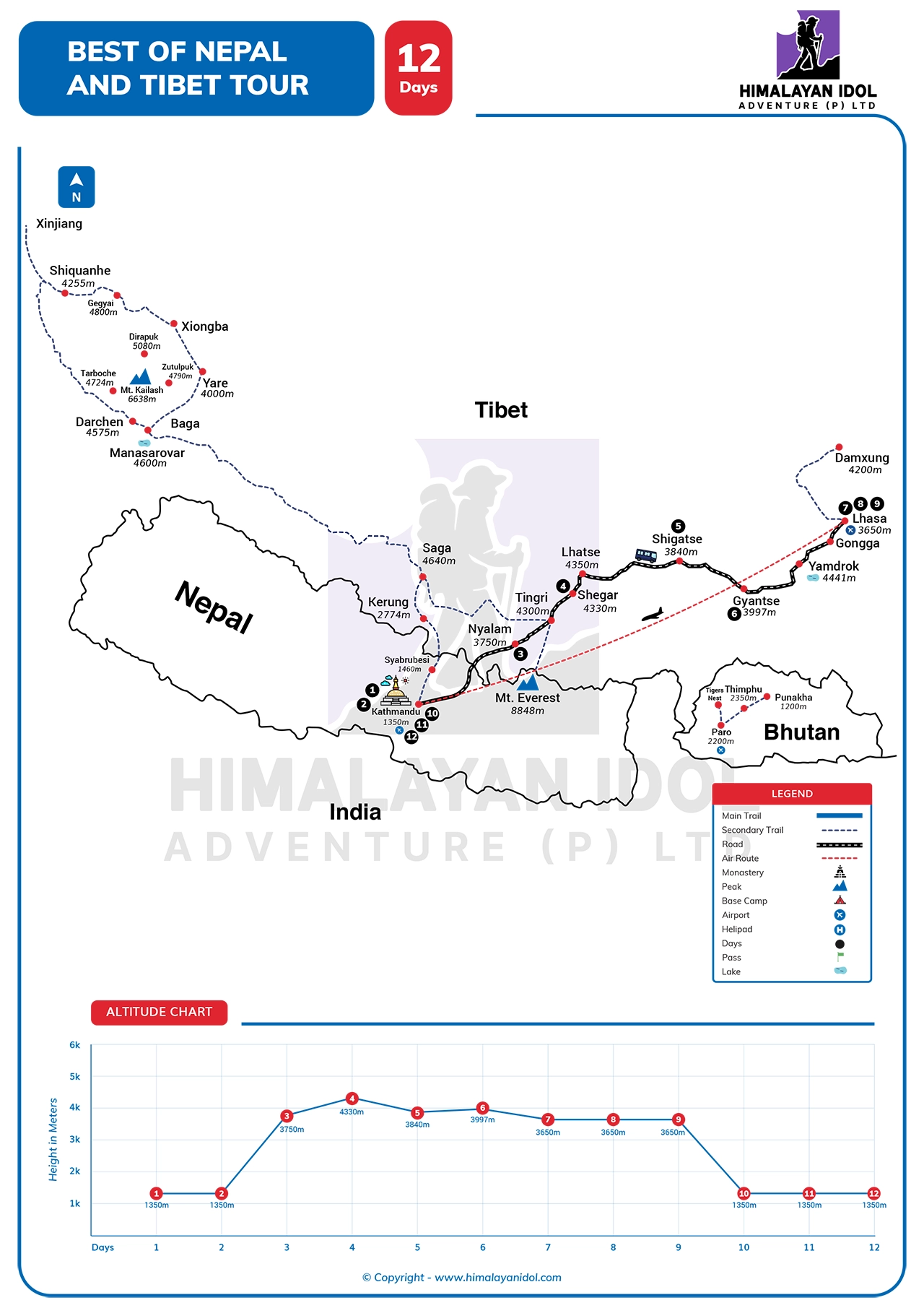
The greatest problem is the elevation. During the journey, you travel from Kathmandu (1,300 m / 4,265 ft) to several places above 5,000 m (16,404 ft). Even though driving doesn’t require much physical activity, your body still needs to adapt to the thinner air.
The Friendship Highway is mostly good, but may be rough or damaged by weather. Being in a vehicle for several hours a day might also be tiring.
The Nepal and Tibet cultural tour is ideal for healthy families, couples and senior travelers. By drinking plenty, walking according to your guide’s instructions and resting properly, you’ll make the trip more comfortable.
Best Time to do this Tour: Month by Month Visibility & Weather Guide
The Best of Nepal and Tibet Tour will be delightful during most of the year, but the best time is spring and autumn with the least cloudy days for a clear mountain view.
The weather is nice and flowers blossom in Nepal from March till May. This season is one of the most popular seasons for travel as there is high visibility and clear skies in the Himalayas and Tibet.
The monsoon season of Nepal is from June to August and most parts of Tibet are relatively dry. There may be some risk of rain on the way into Tibet, but sightseeing is generally not interrupted.
September to November is known to be the best overall season. A post-monsoon is a great time of the year for doing a tour because of the good visibility, comfortable temperature and beautiful landscapes.
The months of December to February are cold, particularly over Tibet. Although some high passes may have snow, for those willing to deal with the cold weather and low visibility, you may find some great mountain views.
Transportation, Food and Accommodation
On the Best of Nepal and Tibet Tour, you will travel comfortably by road or by either international or domestic flight as per your tour itinerary. The private vehicles are usually provided for transportation to and from the airport and sightseeing in Nepal. Tourist vehicles equipped with modern amenities and drivers take care of the long overland journey safely in Tibet.
Accommodation is subject to change from place to place. Hotels and guesthouses in the Tibet region are usually basic and clean and Kathmandu has comfortable hotels with modern amenities. The accommodation is good in larger cities like Lhasa and Shigatse but not so good in smaller towns on the route.
The food served is a combination of Nepali, Tibetan, Chinese and international cuisine. Food is available all the way along the trip, including rice, noodles, soups, vegetables, meat, eggs and bread.
Himalayan Idol Adventure arranges accommodation, transportation and experienced guides for you, so that you can get reliable services for this high-altitude adventure.
Altitude Sickness
During the Nepal and Tibet cultural tour, one reaches various high-altitude destinations where proper acclimatization is very crucial. Just because you’re on wheels rather than feet, your body still requires a period of adaptation to lower oxygen levels.
The symptoms of altitude usually start to be felt above 3,000 m (9,843 ft). Headaches, fatigue, loss of appetite, dizziness and trouble sleeping are common symptoms. Symptoms tend to be mild and get better with rest.
It is important to drink plenty of water, avoid alcohol, eat light meals and follow your guide’s instructions, which will help to minimize the risk of altitude sickness. It is also important not to hurry activities upon reaching higher elevations.
If symptoms are debilitating, your guide will provide for immediate medical assistance and/or get you to a lower altitude if needed. The safest way to stay safe throughout the journey is to pay attention to your body.
Fitness & Training Plan for the Tour
The physical skills required for the Best of Nepal and Tibet Tour are not particularly advanced, but it’s important to have a good overall fitness level to enjoy the trip more comfortably.
The walk is an integral component of the sightseeing, particularly in visiting monasteries, temples, markets and historical sights. Patience and endurance to be comfortable while sitting for long periods of time are also important qualities for a long drive.
Regular walking, light jogging, cycling or swimming can help build endurance before you leave, about 4-6 weeks before you go. Some mild strength-building exercises and stretches will also help keep you from feeling stiff on long road trips.
The Nepal Tibet overland tour can be done by most healthy adults. If you suffer from any heart, lung or other medical issues, you should seek medical advice before going to high altitude areas.
Visa and Permits and Necessary Documents
Several important travel documents are to be obtained before entering Tibet for the Best of Nepal and Tibet Tour. All foreigners must have a valid passport with a minimum six months’ validity.
A majority of the visitors need a Nepal visa, which is obtainable on arrival in Nepal or prior to travelling from various countries. A Tibet Travel Permit is required for entry into Tibet, which is to be obtained in advance from a Tibet travel agency.
Depending on the route you choose within Tibet, there may be additional permits required. These permits are not available for individual travellers to apply for.
The team helps you obtain the required Tibet permits when you book with Himalayan Idol Adventure and guides you on what documents are required. Bring hard copies of your passport, visa, permits, medical insurance and photographs the size of a passport with you on your journey.
Health & Safety on the Tour: Emergency Support and Evacuation
Due to the location of the Nepal and Tibet cultural tour through remote mountain areas and high-altitude regions, health and safety becomes a significant factor.
Professional guides will keep a close watch on tourists for any symptoms of altitude sickness or other health issues during the trip. Basic first aid items are brought with the guides and in bigger places like Shigatse and Lhasa, there are medical facilities.
Serious situations could lead to emergency transportation or evacuation depending on road conditions, weather and travelers’ condition. Road evacuation is the common method of evacuation within Tibet and usually only available from Nepal by helicopter.
Travelers are advised to bring their own personal medicines with them and to drink enough water; before traveling, travelers are advised to tell their guides about their medical conditions. You are more likely to enjoy your experience and it will be safer if you prepare well.
Mobile Network, Internet & Charging Facilities Along the Trail
Communication services are reasonably available in the Best of Nepal and Tibet Tour region and may vary based on location.
Mobile phone coverage is good in Kathmandu and also in large Tibetan towns like Lhasa and Shigatse. The signal might get weak or disappear for a while in smaller towns and in remote mountain regions.
For most hotels, phone, camera and electronic device charging is provided. It is advisable to use a power bank, particularly on long drives.
Internet connectivity is available in most hotels, but speeds differ. There are certain websites and social media that cannot be accessed in Tibet, so travellers need to be aware of the fact that they might not be able to use them during certain parts of the trip.
Travel Insurance
It is strongly recommended that everyone who books the Best of Nepal and Tibet Tour take some travel insurance. A good policy offers monetary coverage in case of unforeseen circumstances before or during your journey.
Select insurance that pays for high elevation travel, medical treatment, emergency evacuation, trip cancellation, baggage loss and delays. Before departing, read your policy carefully to understand what is included.
The Nepal Tibet overland tour goes to remote areas where medical assistance may be scarce. If there are unforeseen health concerns or any unexpected changes in transportation, having comprehensive insurance gives peace of mind.
Have and keep printed and digital copies of your insurance documents. Give the guide your emergency contact and insurance information before the journey.
Language & Communication
During the Nepal and Tibet cultural tour, you will learn more than one language and various cultures along the way.
The language of Nepal is Nepali and Tibetan and Mandarin Chinese are commonly spoken in Tibet. Many people in the tourism industry know a lot of English, as do professional guides and hotel staff.
It is respectful to local communities and more enjoyable to interact if you know a few common local greetings. Your guide can assist you with communication, if necessary.
The English-speaking guides who accompany guests on the Himalayan Idol Adventure will be on hand to assist with any language barriers, cultural explanations, hotel arrangements and communication throughout the trip.
Drive Back from Tibet Instead of Flying: Cost, Time & Booking Tips
The Best of Nepal and Tibet Tour will often include the option to return to Nepal by land instead of flying from Lhasa. This way, visitors can experience the Tibetan landscapes and mountains for a second time.
The return journey takes several days with overnight stopping points. It takes longer than by airplane, but many people prefer the slower pace and extra sightseeing opportunities.
Return overland is typically cheaper than the flight, but the nights’ accommodation and transport on the overland leg should be taken into account when budgeting a return.
If you prefer this option, discuss your plans before confirming your booking. Travel agencies can take care of the permits, lodging, transportation and border formalities that are needed to get back home.
Useful Tips for the First-Time Travellers
Is the Tour Suitable for Kids and Teenagers? An Honest Age Guide
Older kids and teens who like traveling and are capable of driving long hours may find the Best of Nepal and Tibet Tour to be appropriate. The trip goes to high altitudes and children should be well and watch for signs of altitude sickness carefully. The family should plan a leisurely trip and allow for plenty of rest days. Parents should, however, talk to a physician before bringing younger children to high elevation areas.
This Tour for Seniors: What to Expect at 60+
Tours to Nepal and Tibet by many travellers aged 60 and above are successfully done. The tour is mostly walking, but due to the altitude and the driving distance, it can be exhausting. Generally, people who are healthy and in good condition will find the trip enjoyable. A medical check-up before departure is recommended, particularly for persons with heart/lung disease. Slowly and drink lots of water; it will be much easier.
First Himalayan Tour Ever? Why This Tour Is Ideal for You
The Best of Nepal and Tibet Tour is a good introduction to the Himalayas if this is the first time you are going there. It is a cultural tour that also offers stunning mountain views and isn’t overly arduous or challenging. The journey is comfortable, well guided and slow-paced through the various landscapes, making it pleasant for first-time visitors. Enjoy the culture, the monasteries and notable sites of the Himalayas without the hardship of hiking.
This Tour Without a Guide: Is It Legal and Is It Wise?
Foreigners are not allowed to travel alone in Tibet. You need to have a licensed guide and permits during your time in Tibet. Organized tours also make entry across the border, travel, accommodation and permit procedures considerably easier. Most travelers will find that they are better able to travel safely and conveniently if they have a guide available to give them local knowledge and help in case of an occurrence they wouldn’t expect.
How Crowded Is This Tour?
The Best of Nepal and Tibet Tour is an average tour that is not as busy as many tours in Nepal. Popular sites like Potala Palace, Jokhang Temple and large monasteries may be crowded during peak seasons. In general, however, the overland route through Tibet is peaceful, offering extensive open spaces and tranquility to the traveller who appreciates mountain scenery. Spring or autumn is a good time to visit as it is neither too hot nor too cold and there are fewer people around.
Solo Female Travelers on This Tour: Safety and Practical Notes
Solo female travelers can enjoy the Best of Nepal and Tibet Tour without any worry while they travel with a reputable tour operator. The guided group tours offer additional safety and support and are organized for transportation. It is advised to dress properly in religious places and local customs are adhered to. Remembering to keep valuables safe and being aware of the environment can ensure a safer and more enjoyable trip, like at any destination.
Best Photography Spots on the Tour
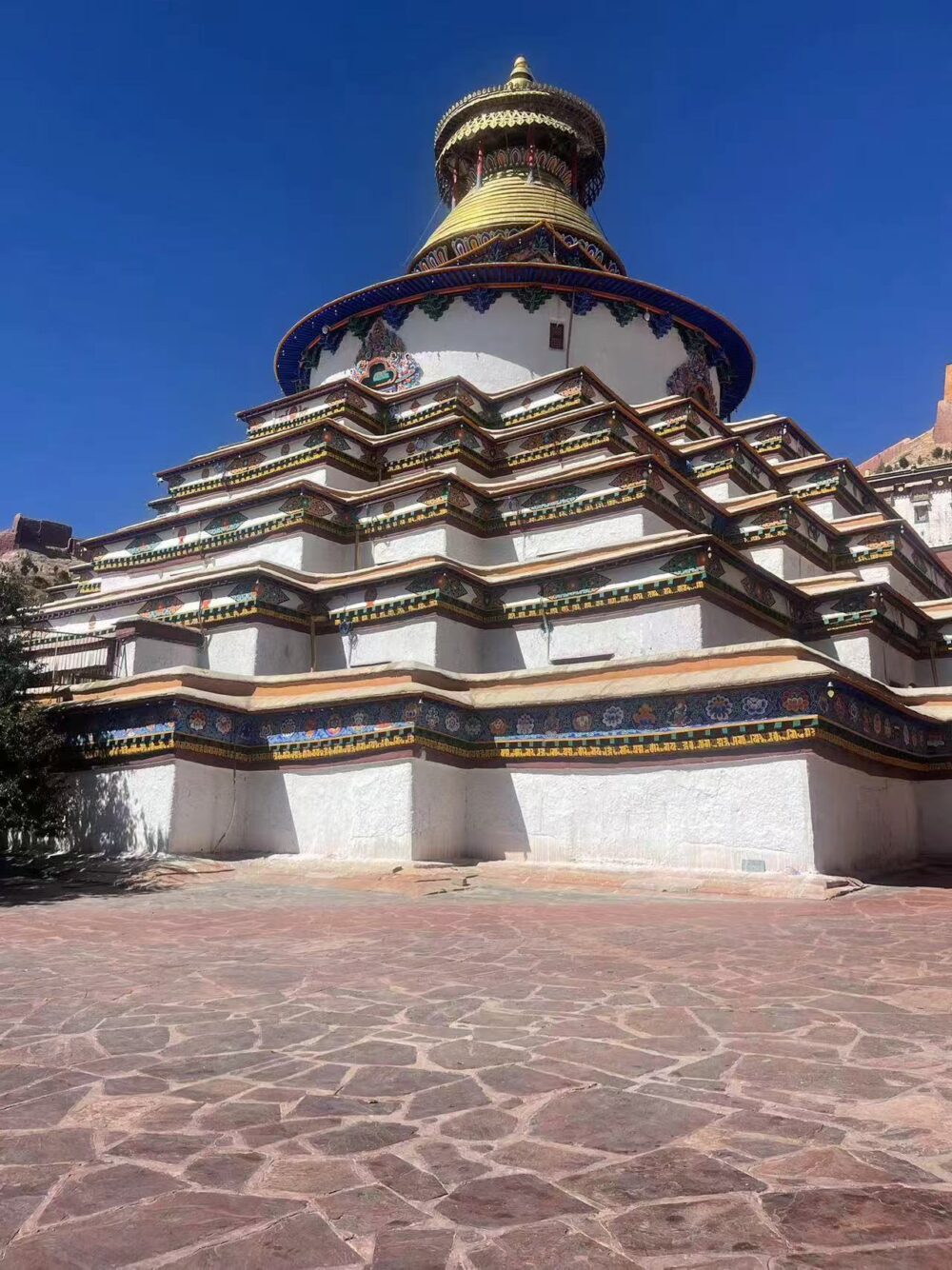
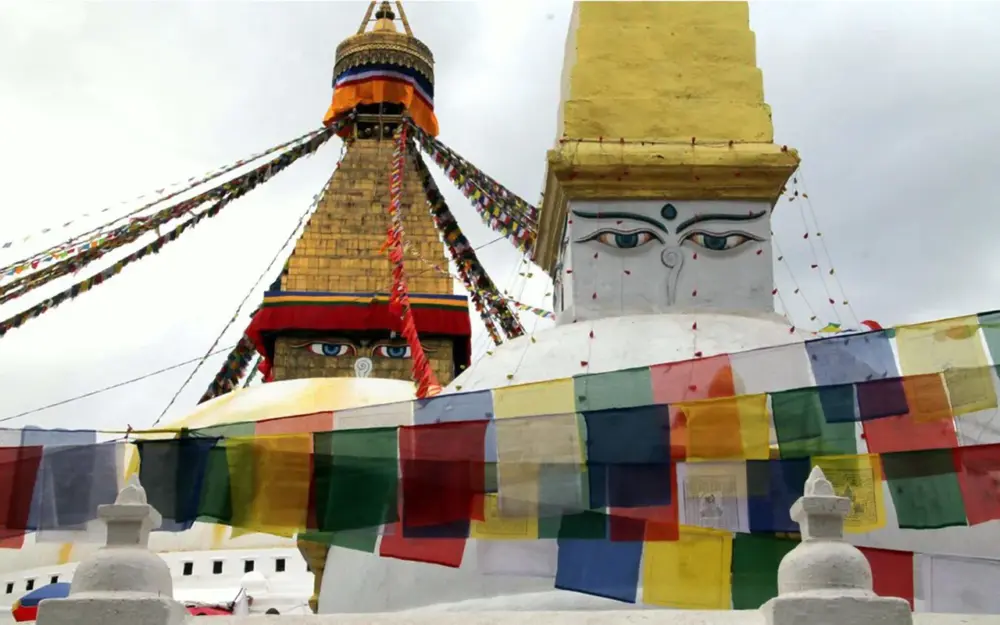
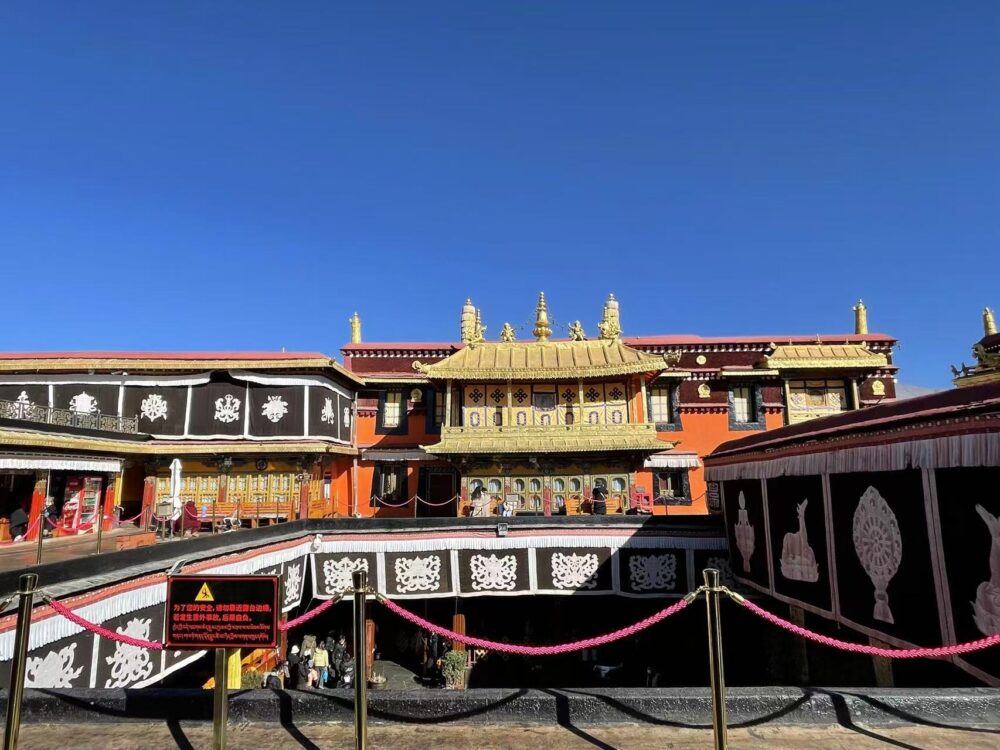
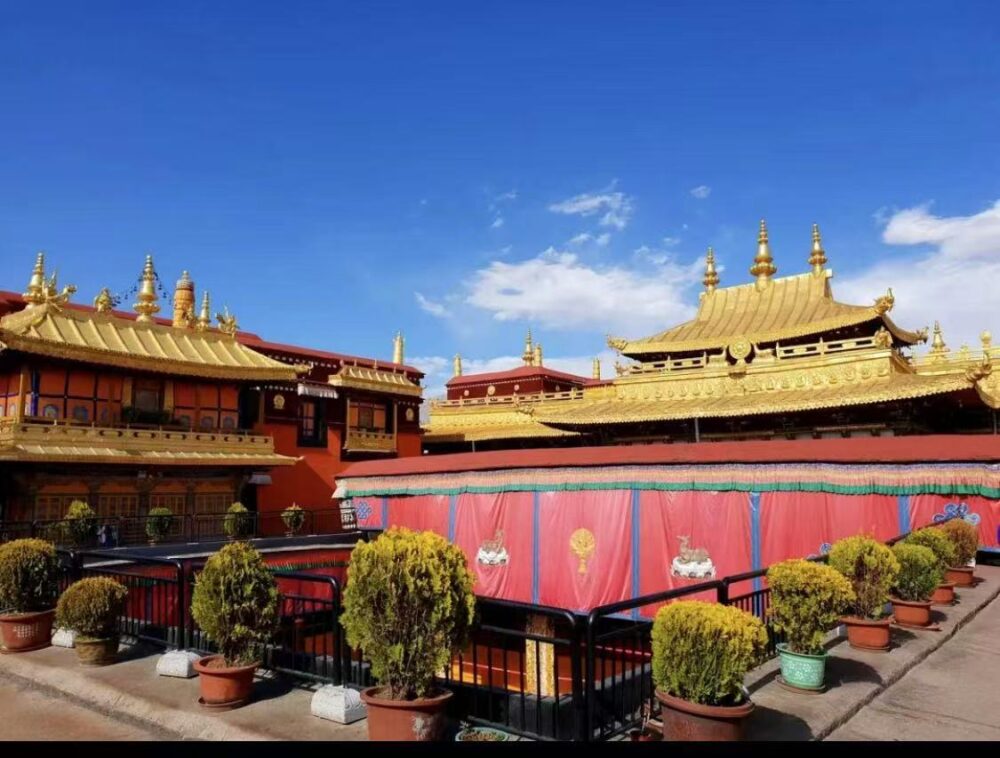
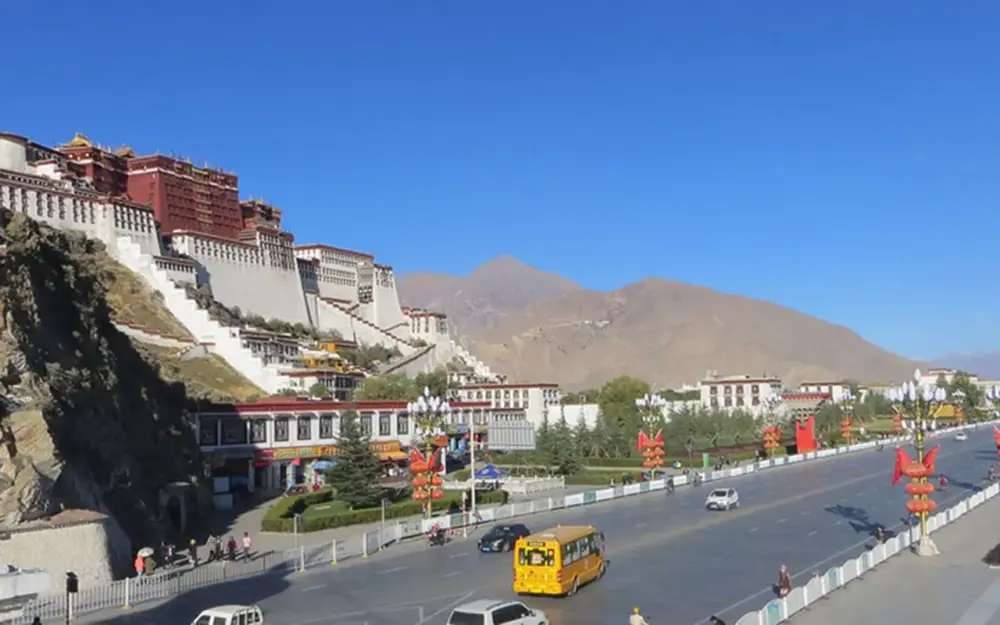
There are numerous great photo opportunities along this trip. Some of the best places are Yamdrok Tsho Lake, Karo La Pass, Lalung La Pass, Potala Palace, Jokhang Temple, Barkhor Market and the traditional Tibetan villages along the Friendship Highway. On sunny days, far-away views of Mount Everest, Mount Shishapangma and Mount Cho Oyu make for a great landscape shot. The best times of day to photograph are early morning and late afternoon when natural lighting is best.




 Write a Review


