Booking open: Secure your trip early for the seasons 2026 & 2027


Makalu Base Camp Trek

Quick facts about Makalu Base Camp Trek

Duration
15 Days

Trip Grade
Moderate

Maximum Altitude
4,870

Group Size
2-20 People

Starts
Kathmandu

Ends
Kathmandu

Accomodation
Hotel, Teahouse

Best Time
Oct-Dec & Mar-May


Trip Overview
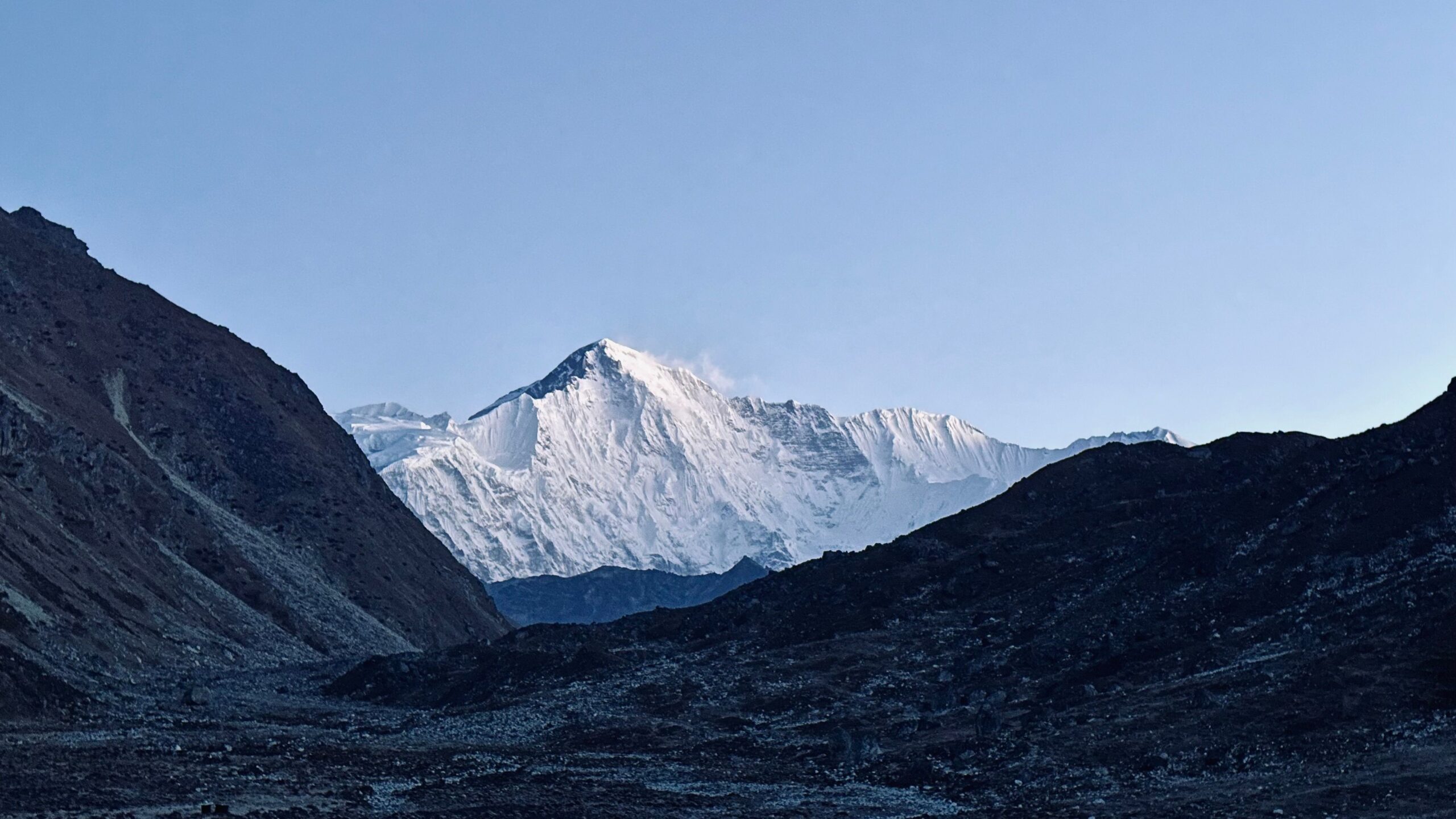
The Makalu Base Camp Trek is a rewarding journey into one of the most remote and peaceful mountain regions of Nepal. After passing through lovely forests, traditional villages, river valleys and high alpine areas, the trail descends to the base of the fifth-highest mountain in the world, Mount Makalu. The trek is less taken than the popular trekking trails in Nepal which makes it an excellent option for those who prefer to explore less-visited areas and enjoy quiet trails.
The adventure begins with a scenic flight from Kathmandu to Tumlingtar, after which it is a trek to Seduwa to begin the trek. The landscapes in Makalu Barun National Park are ever-changing as you venture further and further into it. Enjoy terraced farmland, bamboo forests, rhododendron woods, suspension bridges and quiet mountain villages. This trail also passes through the scenic Barun valley with its abundant biodiversity and breathtaking mountain scenery.
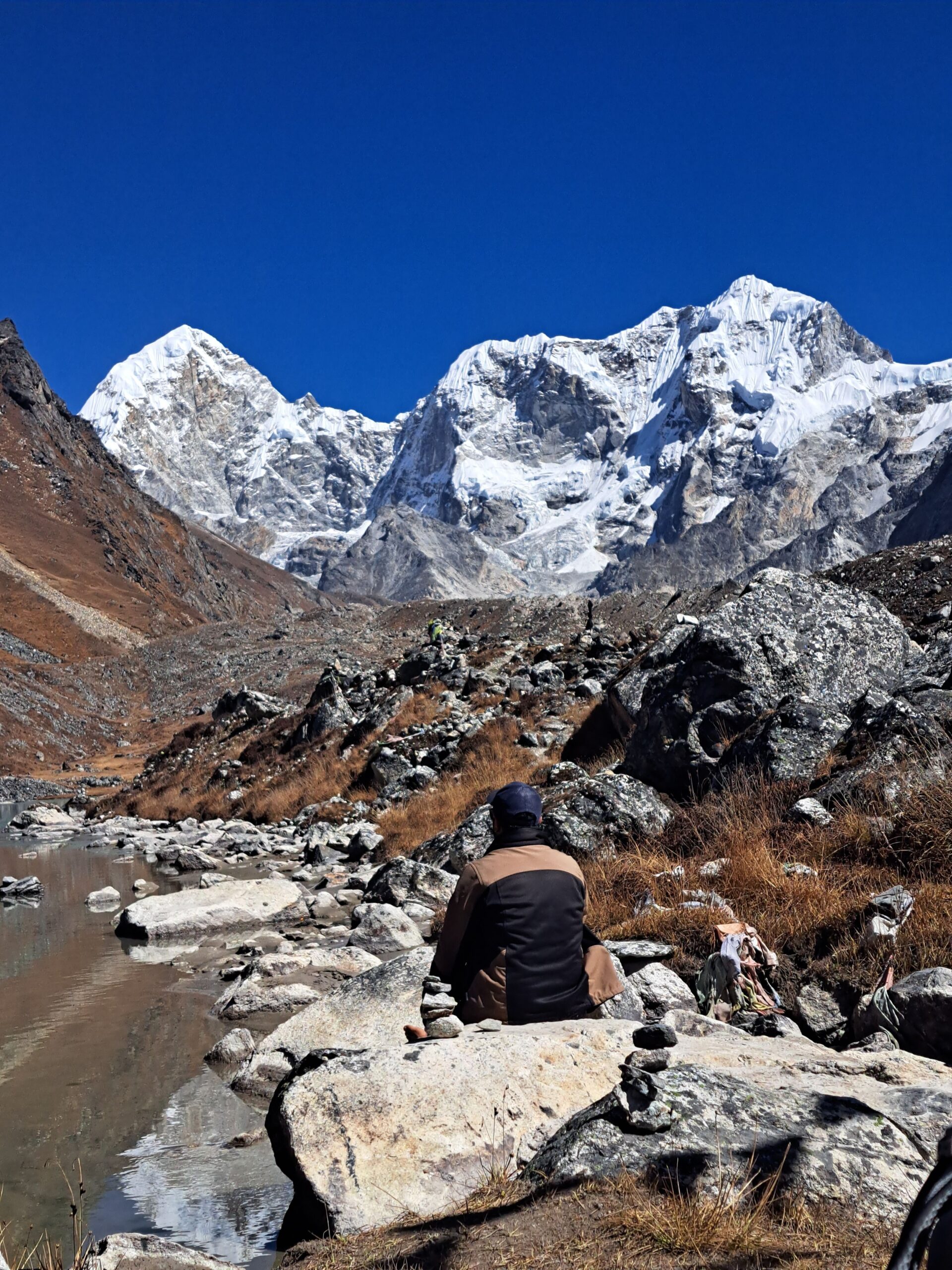
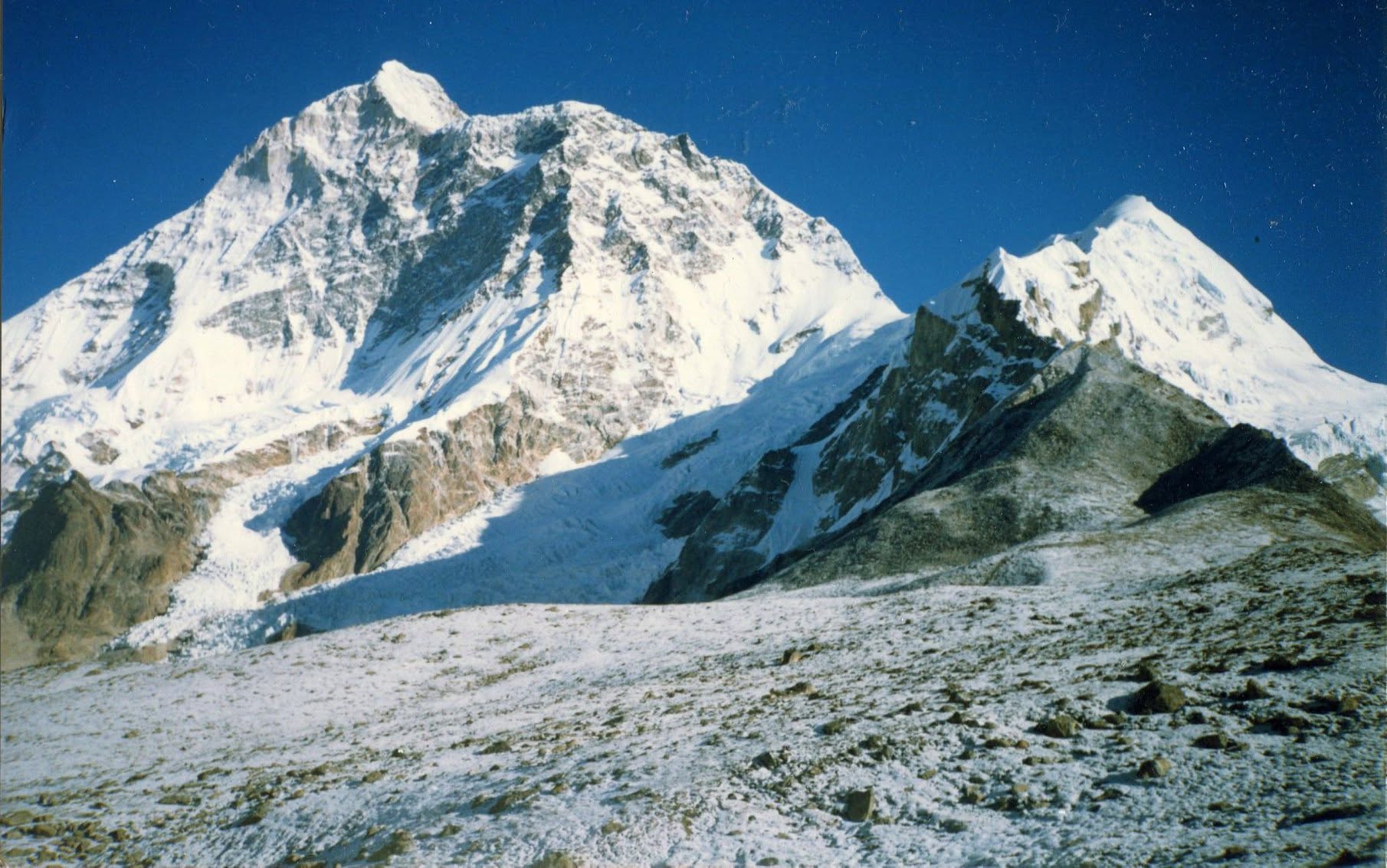
A carefully planned Makalu Base Camp Trek route will allow for a progressive trek with fun at the various scenic points of the trek. Overnight stops are provided to help ease the ascent to heights. During the trek, you cross Shipton La Pass (4,220 m / 13,845 ft) and eventually arrive at Makalu Base Camp (4,870 m / 15,978 ft). You can see panoramic views of Baruntse, Chamlang, Peak 6, Peak 7 and the impressive Barun Glacier from the base camp of Mount Makalu.
The Makalu Base Camp Trek package is designed for trekkers who can walk and enjoy an adventurous experience in the Himalayas. Typically, walks take place for five to eight hours a day and on some days may be longer, hiking through challenging mountain terrain. En route, you will be staying in local teahouses, enjoying warm hospitality from locals, freshly prepared food and the simple lifestyle of the mountain folks.
It is a great alternative if you want to explore the mountains without the crowds and experience the culture as it is. Himalayan Idol Adventure offers you expert guides, trusted logistics and professional assistance to complete your trek and enjoy every moment of your adventure.
Route Overview
The Makalu Base Camp Trek starts with a scenic flight from Kathmandu to Tumlingtar and then a jeep ride to Seduwa, where you will begin the trek. The trail then heads into traditional villages, terraced fields, bamboo jungles and rhododendron forests and finally arrives at Tashigaun and Kauma.
It then passes through several high mountain passes like Khongma La, Keke La and Shipton La (4,220 m / 13,845 ft). Following the passes, the trail enters the picturesque Barun Valley, passing Mumbuk, Nehe Kharka and Sherson. The scenery transitions from forest to alpine meadow, glaciers and rocky terrain.
The highest point of this trek is Makalu Base Camp (4870 m / 15978 ft), where you can see the spectacular view of Makalu, Baruntse, Chamlang and Barun Glacier. Once you have explored the base camp, you then head back the same route to Seduwa, which you then drive to Tumlingtar and then fly back to Kathmandu.
- Owner operated
- Price match guaranteed
- Tailored made trip
- Secured online payment
No. of Persons
Price per Person
-
2 -
6 people
US$ 2100
-
7 -
10 people
US$ 2050
-
11 + people
9999
US$ 1950

Trip Highlights
- Walk through the peaceful trails of Makalu Barun National Park
- Reach the Base Camp of Makalu (8,485 m / 27,838 ft), the fifth-highest mountain of the world.
- Cross through the picturesque Shipton La Pass (4,220 m / 13,845 ft), which offers extensive vistas of the Makalu, Chamlang and other Himalayan peaks.
- Hike through the amazing Barun Valley, home to glaciers, waterfalls, alpine fields and a wide diversity of life.
- Get up close views of stunning Barun Glacier, Peak 6, Peak 7, Chamlang, Baruntse and Mount Makalu.
- Explore the culture, hospitality and lifestyle of the communities through traditional mountain villages.
- Explore the beauty of the rhododendron, bamboo, oak and different animals-filled forests in Makalu Barun National Park.
- Enjoy a memorable sunrise and sunset from Makalu Base Camp (4,870 m / 15,978 ft).
- Experience high-altitude adventures through stunning mountain scenery and rough paths through the Himalayas.
- Enjoy a true Himalayan adventure characterized by authentic teahouses, local cuisine and quiet scenery.

Detail Itinerary
Day 01: Arrival in Kathmandu
Welcome to Nepal. Upon arrival at Tribhuvan International Airport, Kathmandu, our representative will greet you and drive you to your hotel. As you cross the vibrant urban landscape, you’ll catch a fleeting view of the city’s temples, neighborhoods and daily life. After arriving at the hotel, you will be able to relax after your trip.
Kathmandu is located at 1,400 m (4,593 ft) above sea level and is where you will start your trek to Makalu Base Camp. Depending on time, one can walk around the local streets, change currency or try the very first taste of Nepali food. We’ll also give you an overview of the adventure and discuss your final questions.
An overnight stay in a comfortable hotel in Kathmandu will be spent getting ready for what is in store for you.

Activity: Airport arrival and hotel transfer, 30 to 45 minutes drive

Accommodation: Hotel

Meal: Dinner

Max Altitude: 1,400m/4,593ft. (Kathmandu)
Day 02: Free Day and Trek Preparation
This is a free day in Kathmandu, which is followed by a trek to the remote Makalu region. It allows you time to rest, recover from your trip and get ready for the trek. Our staff will check your trek kit to be sure you have all the gear you need for the next few days.
If you wish, you can spend the day exploring the city. Shop at local markets, eat local cuisine or stroll through cultural highlights. There are numerous colorful streets, shops and historic temples in Kathmandu, which are good for getting an introduction to Nepal’s culture. There, you can purchase or hire any of the equipment you might need for your trek.
A briefing by our guide in the evening will be given on the trek, weather and safety measures.
Activity: Rest, sightseeing and trek preparation
Accommodation: Hotel
Meal: Breakfast
Max Altitude: 1,400m/4,593ft. (Kathmandu)
Day 03: Fly from Kathmandu to Tumlingtar and Drive to Seduwa
Following a nice early breakfast, we will be transferred to the domestic airport, where we will depart for a scenic flight to Tumlingtar. It takes approximately 50 minutes to fly and provides great views of the range of the Himalayas on clear days. Once landed, we will be met by our waiting vehicle and set off on a long journey towards Seduwa.
The journey takes us through winding mountain roads, small villages, terraced farmland, forests and rivers of Khandbari. Moving further into eastern Nepal, you’re going to see scenery that’s more peaceful and isolated. Seduwa is the entry point to Makalu Barun National Park, where the trek starts.
Once you arrive at the teahouse in Seduwa, at an elevation of 1,505 m (4,938 ft), you have the time to relax and have a warm meal before your first night in the hills.
Activity: Flight and jeep drive,
Accommodation: Teahouse
Meal: Breakfast, Lunch, Dinner
Max Altitude: 1,505m/4,938ft. (Seduwa)
Day 04: Trek from Seduwa to Tashigaun
After breakfast on the first day of trekking, you will experience a wonderful day of hiking. First, we cross the entrance of Makalu Barun National Park and pass through the checkpoint before proceeding along the path. The trail goes through quiet villages, cultivated terraces, bamboo forests and lovely forests where rhododendrons grow.
The path slowly rises and you will breathe fresh mountain air and hear the birds singing among the forest. You can cross small streams and traditional settlements to get a better view of life in the region. As the mountains slowly emerge in the background, the landscape gets more spectacular.
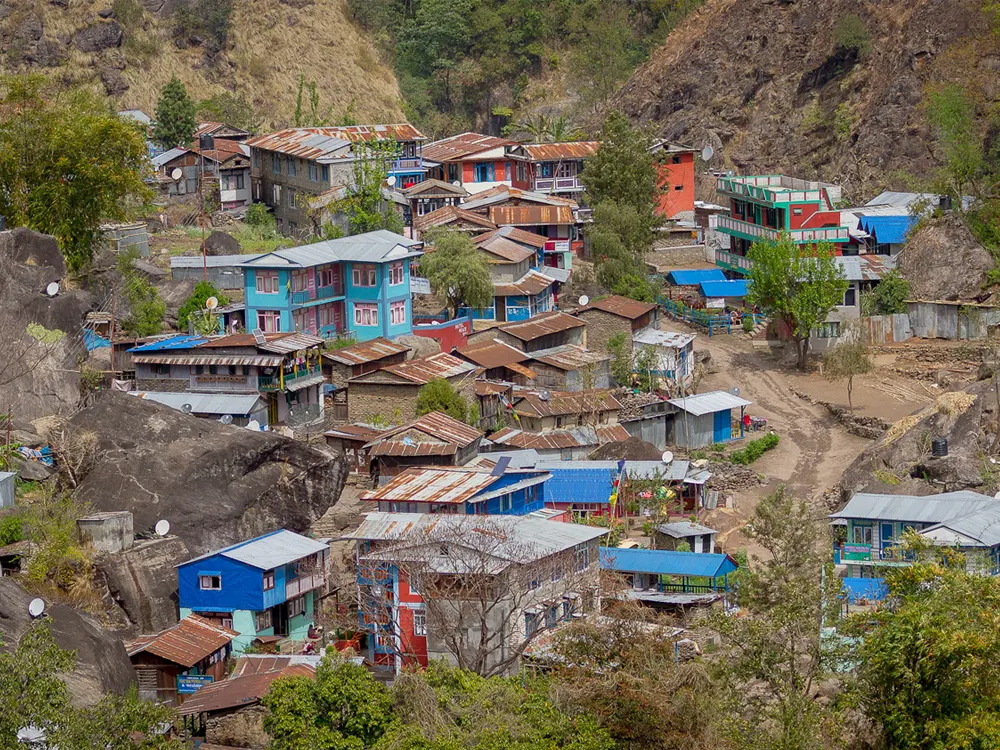
We arrive at Tashigaun, a Sherpa village (2,063 m / 6,768 ft) after a few hours’ walk. It is the last permanent village before entering the higher alpine region. We will spend an overnight stay at a nearby teahouse.
Activity: Trek, 6 hours
Accommodation: Teahouse
Meal: Breakfast, Lunch, Dinner
Max Altitude: 2,063m/6,768ft. (Sherpa village )
Day 05: Trek from Tashigaun to Kauma
It is an uphill trek as we go to higher elevation. We depart Tashigaun after breakfast and take a steep path through rhododendron forests, oak trees and alpine flora. There are several stone stairs, ridges and suspension bridges along the route.
We come to Dhara after a couple of hours of walking and have a short rest and lunch. The path then climbs the hillside, leading up a steep incline that requires a moderate rate of speed. The forest slowly fades out and makes way for alpine land and rocky walkways, and some small ponds. A cooler climate and more mountain views are also found at the higher elevation.
Late afternoon we arrive at Kauma (3,470 m/11,384 ft) or Khongma. This peaceful mountain stop is an important resting place before crossing the high passes on the following day.
Activity: Trek, 7 hours
Accommodation: Teahouse
Meal: Breakfast, Lunch, Dinner
Max Altitude: 3,470m/11,385ft. (Kauma )
Day 06: Trek from Kauma to Mumbuk
It’s one of the longest and most exciting days on the trek today. Early in the morning we depart from Kauma and begin our climb to a number of high passes. The trail first reaches Khongma La (3,873 m / 12,707 ft) before continuing to Keke La (4,170 m / 13,681 ft). These passes offer great views of Makalu, Chamlang, Peak 6 and Peak 7.
The highest point of the day is Shipton La (4,220 m / 13,845 ft) and the trail continues over this. From the passes, we will come down to a beautiful small alpine lake, Kalo Pokhari, surrounded by rocky hills. Continuing, one passes through rhododendron forests and quiet valleys before arriving at Mumbuk.
After a good day in the high mountains, we arrive at Mumbuk (3600 m / 11680 ft); here we spend the night in a basic teahouse.
Activity: 8 to 9 hours
Accommodation: Teahouse
Meal: Breakfast, Lunch, Dinner
Max Altitude: 4,220m/13,845ft. (Shipton La)
Day 07: Trek from Mumbuk to Nehe Kharka
We set off from Mumbuk and pass through a thick fir and rhododendron forest. The walk in the morning is peaceful with a quiet forest that has birds and small streams. The valley soon unfolds as we head towards the picturesque Barun Valley.
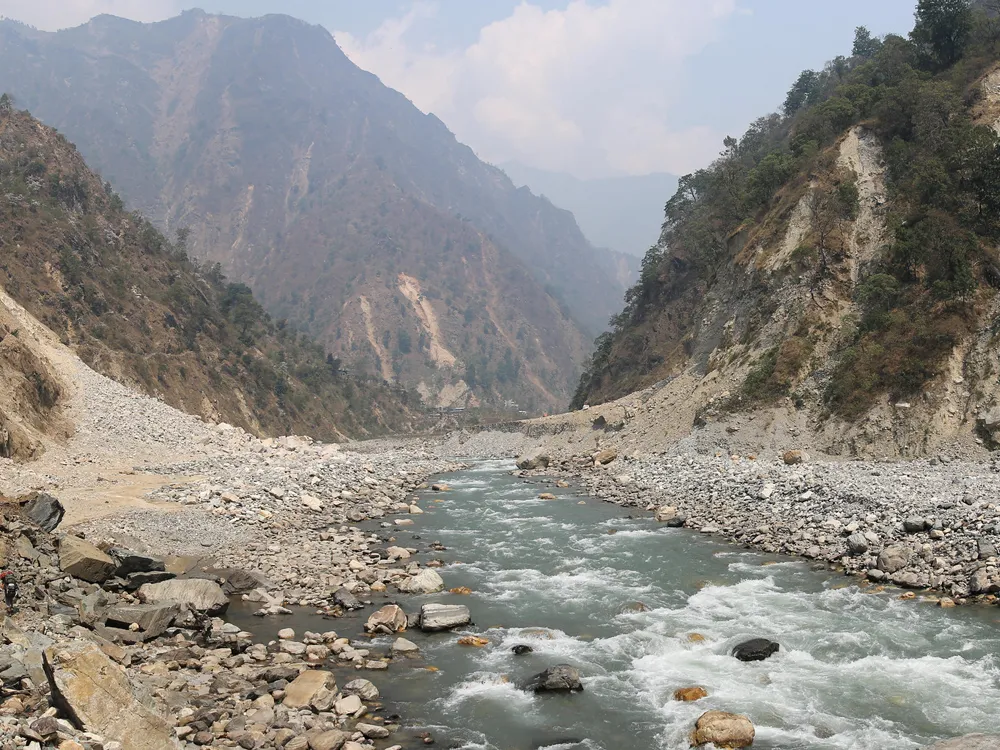
The path winds along the Barun River, over a few wooden bridges, to the broad alpine meadows. The cliffs and snow-covered peaks surrounding the valley make for one of the most scenic areas of the Makalu region. En route, visitors can see Himalayan animals like blue sheep or mountain birds in their colors.
In the afternoon, we make it to Nehe Kharka (3,700 m / 12,139 ft), a tranquil grassland where the natives graze their herd of livestock in the warmer season. Overnight in a teahouse, preparations for higher elevations.
Activity: 7 hours
Accommodation: Teahouse
Meal: Breakfast, Lunch, Dinner
Max Altitude: 3,700m/12,139ft. (Nehe Kharka)
Day 08: Trek from Nehe Kharka to Sherson
We will go through upper Barun Valley today to the small village of Sherson. Post breakfast, we walk alongside the Barun River, enjoying the beauty of glaciers, rocky cliffs and snow-covered mountains. The valley widens with increasing altitude.
There are some rocky areas and a bit of climbing, but it’s all worth it for the views. On the way, we encounter yak pastures, waterfalls and open alpine areas. The impressive south face of Mount Makalu is now in view as we near Sherson and is affording us a closer look at the fifth-highest mountain in the world.
We are at Sherson (4615m / 15141ft), which is below the Barun Glacier. Once you’ve arrived at the teahouse, you’ll be able to relax in the tranquil mountain environment and get a good night’s sleep in preparation for the trek up to Makalu Base Camp the following day.
Activity: 6 to 7 hours
Accommodation: Teahouse
Meal: Breakfast, Lunch, Dinner
Max Altitude: 4,615m/15,141ft. (Sherson)
Day 09: Trek from Sherson to Makalu Base Camp
Today is the best day of the trek, when we proceed to Makalu Base Camp. After breakfast we follow a gentle route through a stone and glaciated landscape. The trail is not that difficult and we are able to enjoy the amazing mountain views.
As we approach the base camp, we get a fantastic view of Mt. Makalu, Baruntse and other Himalayan peaks. The Barun Glacier flows through the valley, making it an unforgettable mountain landscape. We reach Makalu Base Camp (4,870 m / 15,978 ft) after some five hours of walking.
The remainder of the day is for relaxation, taking photos and enjoying the quiet ambiance. In good weather, the sunset over the snow-covered peaks makes this a special day.
Activity: 5 hours
Accommodation: Teahouse
Meal: Breakfast, Lunch, Dinner
Max Altitude: 4,870m/15,978ft. (Makalu Base Camp)
Day 10: Explore Makalu Base Camp
Today is for exploring the fantastic surroundings of Makalu Base Camp. An additional night here will give your body enough time to acclimatise to the high altitudes and allow you to enjoy this amazing place without the need to hurry.
It is possible to make short walks around the base camp and enjoy the panoramic views of Makalu, Baruntse, Peak 6 and Peak 7. The glaciers, icefalls, rocky ridges and glacial streams nearby make for an unforgettable Himalayan landscape. The peaceful setting is a great location to sleep, take photos and enjoy the beauty of the mountains.
We can enjoy a relaxing day of exploration, then we come back to our teahouse in Makalu Base Camp for another night’s stay. The serene environment and starry sky mark the end of our stay in this remote area of the Himalayas.
Activity: Exploration and acclimatization, 3 to 4 hours
Accommodation: Teahouse
Meal: Breakfast, Lunch, Dinner
Max Altitude: 4,870m/15,978ft. (Makalu Base Camp)
Day 11: Trek from Makalu Base Camp to Dobate via Yangle Kharka
We enjoy the sunrise at Makalu Base Camp and start the descent. After breakfast, we walk back on the same path through the rocky glacial zone and then down into the stunning Barun Valley. The downhill walk is not as hard on the lungs as the hill walk is on the knees, so we slow down and walk carefully.
Shortly after Sherson and as we continue through Yangle Kharka (3,578 m / 11,670 ft), the area turns from sparse alpine to green meadows and forests. The Barun River is followed by the trail and one can see peaceful waterfalls, mountain streams and towering cliffs. We then continue down through rhododendron and fir woods to Dobate for lunch.
After a very long and rewarding day of trekking, we stay the night at a teahouse in Dobate (3,650 m / 11,975 ft).
Activity: 7 hours
Accommodation: Teahouse
Meal: Breakfast, Lunch, Dinner
Max Altitude: 3,650m/11,975ft. (Dobate)
Day 12: Trek from Dobate to Seduwa
We are continuing our descent into lower hills this day, on the same path as earlier in the trek. Following breakfast, we depart Dobate and wander through quiet woods, populated with rhododendron, oak and bamboo. The path winds through several streams, timber bridges and places where you can rest.
The air temperature drops as we descend, while plant growth increases. We walk through the familiar village and have great views of terraced fields and surrounding hills. This is also a relatively easy day walk with a few short uphill sections, as opposed to the previous high altitude walks.
By late afternoon, we arrive in Seduwa (1,505 m / 4,938 ft). The end of the trekking part of Makalu Barun National Park is this friendly village. We spend the night at a local teahouse.
Activity: 7 hours
Accommodation: Teahouse
Meal: Breakfast, Lunch, Dinner
Max Altitude: 1,505m/4,938ft. (Seduwa)
Day 13: Trek from Seduwa to Mure
Following breakfast, we head down towards Mure from Seduwa. The track leads through small villages of agriculture, agricultural terraces and quiet forests. There are opportunities to see the locals at work in their fields, which is another opportunity to experience daily life in the hills of eastern Nepal.
We cross through the beautiful Num area as we proceed downhill and have stunning views of the Arun Valley. There are a few steep stretches, but the lower grade is much easier to walk in than in the earlier days when the trail was being walked. There are several places set along the way for short breaks and viewing the landscape and other sights.
We reach Mure at (1,980 m / 6,496 ft) in the afternoon. Once you have arrived at the teahouse, you can enjoy some relaxation and celebrate the end of the main trekking route.
Activity: 6 hours
Accommodation: Teahouse
Meal: Breakfast, Lunch, Dinner
Max Altitude: 1,980m/6,496ft. (Mure)
Day 14: Trek to Num and Drive to Tumlingtar
After breakfast this morning, we set off downhill to Num. The journey is short and through forests, terraced fields and small villages, before arriving at the roadside. Our waiting jeep here at Num starts the journey towards Tumlingtar.
The trail passes through rural settlements and Khandbari and winds through the mountains. On the way, you can savor the beauty of the traditional villages, green hills and the rivers of eastern Nepal. After days of walking in the mountains, it’s a pleasant ride.
We arrive in Tumlingtar at an altitude of 518 m (1,699 ft) and check in to our hotel, where we spend a pleasant evening. It’s your last evening outside Kathmandu, before heading back to the city.
Activity: 1 hour trek and 3 to 4 hours drive
Accommodation: Teahouse
Meal: Breakfast, Lunch, Dinner
Max Altitude: 518m/1,699ft. (Tumlingtar)
Day 15: Fly from Tumlingtar to Kathmandu
We then head back to Kathmandu on a picturesque flight from Tumlingtar airport after breakfast. It takes about 50 minutes for the flight and during this time you can enjoy the beautiful views of eastern Nepal and the foothills of the Himalayas from the air.
Our representative will pick you up at the airport in Kathmandu (1,400 m / 4,593 ft) and drive you to the hotel. The remainder of the day is available to unwind, discover the city, go shopping for souvenirs or check out local attractions. At the end of the day, you can have a farewell dinner and savour the experience of your Makalu Base Camp Trek and reminisce about your experience.
Overnight accommodation will be in a comfortable hotel in Kathmandu.
Activity: Flight and hotel transfer,50 minutes flight
Meal: Breakfast
Max Altitude: 1,400m/4,593ft. (Kathmandu)
If our standard itinerary doesn't fully meet your needs, we are happy to tailor it to your specific preferences and requirements.
Trip Information of Makalu Base Camp Trek
How Difficult Is the Trek?
Because the Makalu Base Camp Trek traverses remote mountain trails, steep slopes, rocky terrain and several high passes, it is a challenging trek. On most trips, trekkers will cover 5-8 hours of distance a day and a few days will demand additional stamina. Experience in trekking is useful, but this adventure can be done successfully by anyone who is physically fit, takes time to prepare and is determined to complete it.
The highest elevation of the trek is at Makalu Base Camp (4,870 m / 15,978 ft). It also passes through the pass of Shipton La (4,220 m / 13,845 ft), which is a bit thinner in the air, making it more challenging to trek through. It is important to walk at a moderate pace, drink plenty of fluids and get adequate rest during the trip.
One of the better-organized Makalu Base Camp Trek packages is the gradual ascent to the base and acclimatization days. This way, you can make the trip safer and more comfortable for your body because of these breaks, which help it acclimate to the elevations ahead before you hit them.
With a Makalu Base Camp Trek package from Himalayan Idol Adventure, you will be accompanied by experienced guides who will be looking after your health organizing the trekking day and offering you help whenever necessary during the trek.
Best Time to Do This Trek: Month by Month Visibility & Weather Guide
The Makalu Base Camp Trek is more feasible in the spring season (March to May) or the autumn season (September to November). The weather is typically clear and pleasant, with good visibility on the mountains during these seasons. The forests are also abundant with blooming rhododendrons in spring and fresh air and stable weather in autumn after the monsoons.
If you want to do a Makalu Base Camp Trek in June, July and August, then it is a tougher trek as it gets heavy rainfall. Trails can be muddy and slippery and may be overcast, which can limit views of the mountains. In the winter months (December to February), it is cold and snowy, with some high passes becoming more inaccessible.
Spring or autumn is the best time to undertake the Makalu Base Camp Trek package. Most of the treks are done during these seasons, providing the trekkers with better weather conditions, safer trails and better visibility of the surrounding Himalayan peaks.
Transportation, Food and Accommodation
The Makalu Base Camp Trek starts with a domestic flight from Kathmandu to Tumlingtar and then by jeep to Seduwa, where one will start the trek. Once you arrive at the end of the walking part, you take the same path back to Kathmandu. The combination of flight, road travel and trekking makes it possible to reach one of the more remote areas of the mountains of Nepal.
Makalu Base Camp Trek is a trek with accommodation in local teahouses. The rooms are basic and clean with dormitory-type beds and bathroom facilities. The facilities are more basic as you ascend, due to the location in a remote area and the limited facilities available.
The meals at the teahouses along the Makalu Base Camp Trek route are freshly cooked. Eggs, porridge, bread or pancakes are typical breakfast options and most meals, such as lunch or dinner, include dal bhat, noodles, fried rice, soup, potatoes and seasonal vegetables. Himalayan Idol Adventure provides these services to ensure a comfortable journey.
Altitude Sickness
Makalu Base Camp Trek takes you to high places where altitude sickness may occur at any age or fitness level. Higher up, the amount of oxygen in the air will decrease. Headache, loss of appetite, dizziness, nausea, trouble sleeping and feeling tired and weak are all common symptoms. These are the signs that need to be recognised for a safe trek.
The Makalu Base Camp Trek Route is planned so that you can climb up safely. Staying well hydrated, abstaining from alcohol, eating small meals and walking at a comfortable pace will help minimise the risk of altitude-related illness. The highest overnight point is at Makalu Base Camp (4870 m / 15978 ft).
During the Makalu Base Camp trek, the experienced guides of Himalayan Idol Adventure regularly check your condition during the trek. In case of severe symptoms, they will make sure to immediately descend and offer the necessary support to ensure your health and well-being.
Fitness & Training Plan for the Trek
Due to the long walks, high elevations and steep grades, the Makalu Base Camp Trek is a physically demanding trek. If you have time, get ready for your trip 6-8 weeks in advance; it will make the trip easier. Exercising regularly improves stamina and makes the trip less tiring.
A well-designed trek to Makalu Base Camp will take you to higher and higher places and your body should be geared to that too, before you leave for the trek. Walking or hiking 3-4 times per week is highly recommended. In addition, climbing stairs, jogging, cycling or swimming can be used to increase your stamina. Leg and core strengthening exercises will make going up and down hills easier.
With a Makalu Base Camp Trek package, you’ll have access to experienced guides who will set a comfortable pace on the trek. Adhering to their suggestions, drinking water and taking regular breaks will help you enjoy the journey safely and confidently.
Visa and Permits and Necessary Documents
To trek to Makalu Base Camp, one must have a valid passport, an entry visa to Nepal and the required permits. A tourist visa can be obtained on arrival at Tribhuvan International Airport in Kathmandu or by applying beforehand at an embassy in the country of origin for most foreign visitors. It is recommended that you have at least 6 months’ validity in your passport from the date of arrival.
The permit you need for the Makalu Base Camp Trek should be included in your package and should include the Makalu Barun National Park Entry Permit and the Makalu Rural Municipality permit. They will be inspected throughout the trail, so please be sure to take them with you on your trek.
The rest of a Makalu Base Camp Trek package calls for several passport-sized photos, travel insurance information and a copy of your passport. Himalayan Idol Adventure can prepare the permits for you, so the process is simple and convenient.
Health & Safety on the Trek: Emergency Support and Evacuation
The Makalu Base Camp trek is one of the most remote mountain treks where medical assistance is available on a limited basis. To maintain health along the way, you need plenty of water, a proper diet and comfortable walking. Well acclimatized also minimizes the risk of altitude-related problems.
With a well-crafted Makalu Base Camp Trek itinerary, there is ample time for slow ascent and periodic health monitoring. Guides keep an eye on the trekkers for any signs of illness and can alter the day if needed. Rapid descent is generally the best choice if someone experiences severe symptoms of altitude sickness or injury occurs.
On Makalu Base Camp Treks, the experienced guides keep a first aid kit and arrange for emergency helicopter evacuation if required. It is highly recommended that comprehensive travel insurance is taken before the trek, including high altitude trekking and helicopter rescue.
Mobile Network, Internet & Charging Facilities Along the Trail
Makalu Base Camp Trek goes through a remote area of eastern Nepal, where communication facilities are limited. The signal becomes weak or is not visible at all as one gets to the higher villages like Seduwa and Tashigaun. Don’t plan to have mobile service all the way along the route.
In the Makalu Base Camp Trek route, some of the teahouses provide internet facilities with an extra fee, but the internet access is slow and is subject to weather conditions. Numerous lodges offer charging for electronic devices, though they tend to charge an extra fee. It is highly recommended to bring a power bank and extra batteries.
During a Makalu Base Camp Trek Package from Himalayan Idol Adventure, your trek guide will keep you informed about the communication facilities available to you and where you can charge your electronic devices.
Travel Insurance
The Makalu Base Camp Trek is in a remote area of the Himalaya; the available medical facilities are very limited. This is why it is important to have a thorough travel insurance plan before going on the trek. The policy should include high altitude trekking up to 4,870 m (15,978 ft), emergency medical treatment, helicopter evacuation, trip cancellation and personal belongings.
Before you start your Makalu Base Camp Trek, read the terms and conditions of your insurance policy to make sure that it covers trekking in Nepal at high altitudes. You should also have a hard copy of your insurance plan, in case you have an emergency on the road.
When booking a Makalu Base Camp Trek package with Himalayan Idol Adventure, you will be required to submit your insurance details before the trip. This enables the team to make an emergency response to the aid of others quick if necessary.
Language & Communication
The Makalu Base Camp Trek will go through villages inhabited by Sherpa, Rai and other local communities. The official language is Nepali and there are several local languages spoken in the region. Local people are always pleased to receive a friendly greeting and respectful attitude.
Many trek guides, lodge owners and staff members will speak English at a basic to good level throughout the Makalu Base Camp Trek. This facilitates communication regarding accommodation, meals and the daily plan for trekking. Some basic Nepali greetings can make the interactions more enjoyable.
For those who go on the Makalu Base Camp Trek package with Himalayan Idol Adventure, they will be accompanied by experienced English-speaking guides throughout the trek. They will help with communication, describe the local culture and traditions and guarantee a comfortable and fun trekking experience.
Useful Tips for the First-Time Travellers
Is the Trek Suitable for Kids and Teenagers? An Honest Age Guide
This trek to Makalu Base Camp may not be suitable for younger children due to the long walking days, the high altitude and the location. With the support of responsible adults and adequate time for acclimatization, teenagers with good fitness, previous trekking experience and a positive attitude can trek.
This Trek for Seniors: What to Expect at 60+
With preparation, the Makalu Base Camp Trek can be done successfully by active and healthy seniors. Fitness and medical clearance are recommended before the trip. Take it easy, take it slowly and listen to the advice of your guide to help make the journey safer and more enjoyable.
First Himalayan Trek Ever? Why This Trek Is Not Ideal for Beginners
The Makalu Base Camp Trek is not considered a beginner trek to the Himalaya in general. It includes long days of walking, high elevation, far-away trails and very few facilities. Beginners are better suited to easier routes before attempting this adventure. This strenuous journey requires good fitness, preparation and determination.
This Without a Guide: Is It Legal and Is It Wise?
The Makalu Base Camp Trek is in a remote area where the track can be challenging. There are some regulations in place in Nepal for trekking at present; most of the trekking regions have to be done with licensed guides. Trekking without a guide is not recommended, even if it is possible, as guides are helpful in navigation, safety and emergency response.
How Crowded Is This Trek?
The Makalu Base Camp Trek is less crowded than other famous treks such as the Everest Base Camp Trek or Annapurna Base Camp Trek. On most days, you will find few trekkers, even in the peak seasons. Few trekkers, even during peak seasons will be able to be seen most days. This is a peaceful area and perfect for the more private experience in the Himalayas.
Solo Female Trekkers on This Trek: Safety and Practical Notes
With careful planning, it is possible for a solo female trekker to safely complete the Makalu Base Camp Trek. Highly recommended is an organized trek with experienced guides due to the remoteness. Trekking in a respectful way to local culture, carrying proper equipment and following safety guidelines helps to ensure a comfortable and enjoyable experience.
Best Photography Spots on the Trail
There are numerous great photo opportunities along the Makalu Base Camp Trek. There are some great mountain views to be had at Shipton La Pass, Barun Valley, Sherpa and Makalu Base Camp. Landscape photography is enjoyable throughout the trip, with glaciers, waterfalls, alpine meadows, forests and sunrise or sunset scenes.

Frequently Asked Questions
The typical trek features one full acclimatization day in Makalu Base Camp and a slow ascent to ensure proper acclimatization.
Some teahouses have hot showers for an extra price. Facilities are very scarce or inaccessible at higher altitudes.
Many villages can be found that provide bottled water. Water purification tablets are more economical and environmentally-friendly, though, than using plastic water bottles.
For cold nights at higher altitudes, a 4-season sleeping bag with a rating of at least -15°C (5°F) will be required to keep you warm.
No. After Kathmandu, there are no reliable ATM services. Bring sufficient cash to finance personal needs on the trek, in Nepalese currency.
Yes. Vegetarian food can be prepared at most teahouses and vegan food is served at many places if notified to the guide in advance.
Wildlife viewing is not guaranteed; however, the Makalu Barun National Park is home to the Himalayan thar, musk deer, red pandas, blue sheep and many other species of birds.
No, always boil, filter or purify water. Even though the water looks clear, it may have harmful bacteria or parasites in it if it is untreated.
The typical comfortable daypack is between 5 and 8 kg (11 and 18 lbs), which covers the weight of water, clothes, food and personal items.
Yes. Many trekkers stay in Kathmandu for a few additional days or opt to go on the trek as part of a cultural tour to Kathmandu, a wildlife tour or as a trek to Nepal.
- Owner operated
- Price match guaranteed
- Tailored made trip
- Secured online payment
No. of Persons
Price per Person
-
2 -
6 people
US$ 2100
-
7 -
10 people
US$ 2050
-
11 + people
9999
US$ 1950
 Testimonial
Trip Reviews
 You May Also Like