Best Season
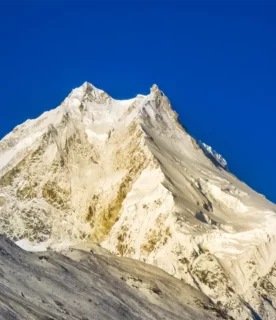
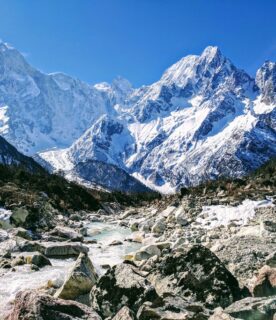
Nar Phu Valley Trekking is best done in the spring (March-May) and autumn (September-November). The trails are safer and the mountain vistas more enjoyable during these seasons with their stable weather, clear skies and comfortable temperatures. Spring is when rhododendron forests flower and after the monsoon season, the air is crisp and the visibility is good in autumn. The weather is best for trekkers in the spring when the colors are bright and the days are warm. Higher areas may still have snow on but most trails are open. Autumn is a mostly dry season and it can be one of the busiest trekking seasons in the area. The views from Kang La Pass (5,306 m / 17,408 ft) are often at their best.
For seasoned trekkers, the pass can be walked in the winter, but when snow is heavy, it can be a struggle. Storms associated with the summer monsoon provide summer rainfall on the lower trails and can produce moist and slippery conditions, while the upper valley is in a rain shadow region, resulting in less rainfall.
Distance & Elevation
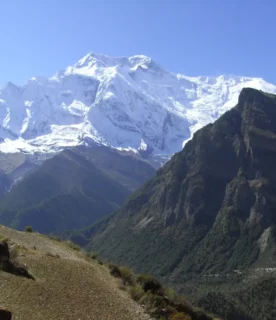
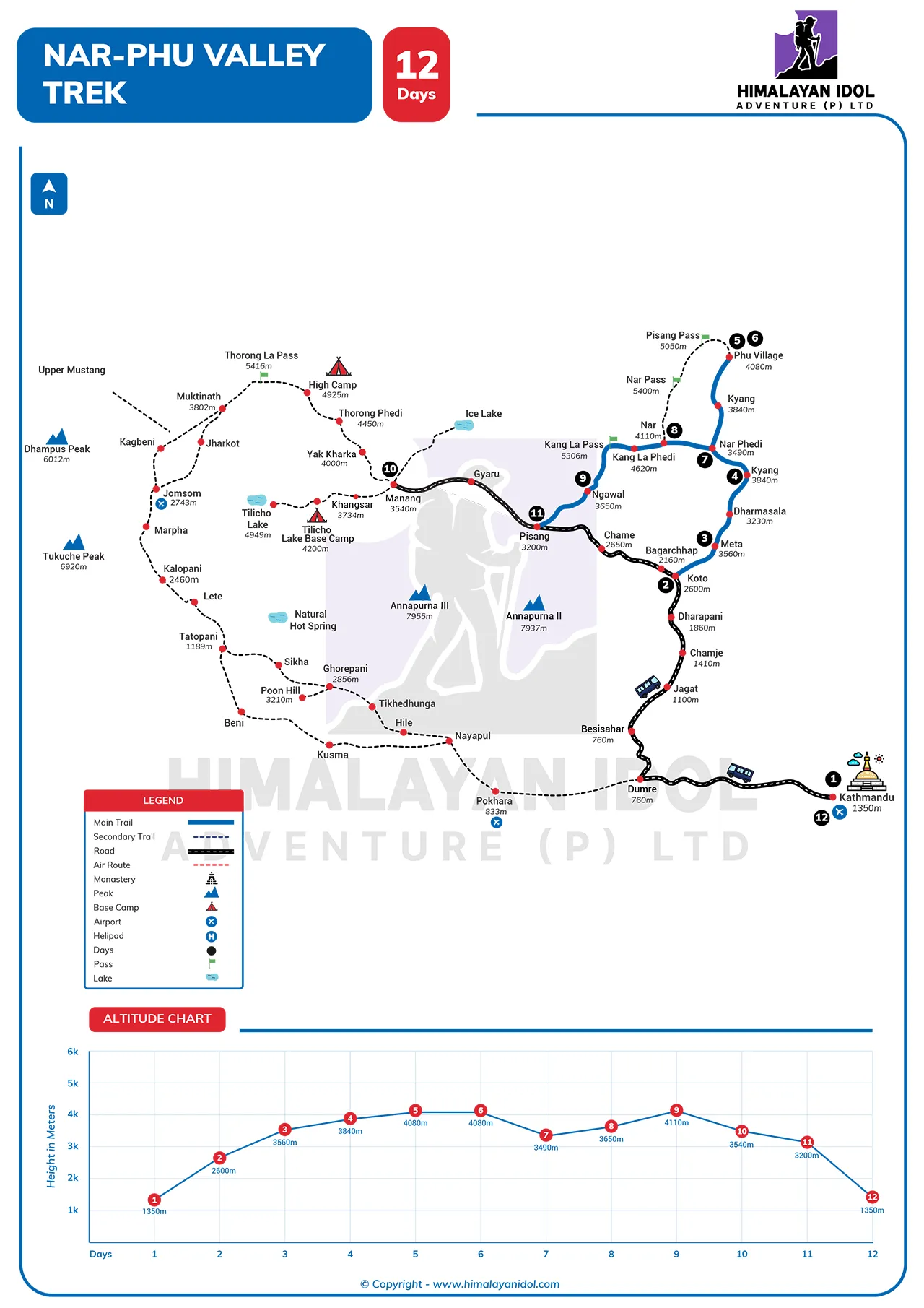
The Nar Phu Valley trek is about 95-105 kilometers depending on the trek route and excursions. The average length of time is between 10 and 14 days to allow adequate acclimatization and safe crossing of the high mountain pass. The trek begins at Koto (2,600 m / 8,530 ft) and rises through secluded villages, deep gorges and alpine scenery. The summit of the trek is Kang La Pass (5,306 m / 17,408 ft), where trekkers can be treated to breathtaking panoramic vistas of the Annapurna mountain range before heading down towards Ngawal.
The overall distance is moderate, but the variations in elevation make it a more challenging route than many. Careful planning of daily gains is carefully planned to minimise the likelihood of problems related to altitude, but to give time to savour the remote beauty of the area.
Difficulty & Altitude Sickness
Nar Phu Valley Trekking is a moderately challenging trek. Trails involve long walking days, rock outcrops, high altitude and steep ascents. Doing the trek is good for those who have already done it, but it is possible for anyone willing to trek who is fit enough to make it through. One of the biggest problems with this trek is altitude sickness, reaching above 5,000 m / 16,404 ft). The symptoms can be headache, loss of appetite, dizziness and tiredness. Allow time to acclimatize, drink plenty of water and walk slowly, which will lessen the risk significantly. The itinerary contains acclimatization days to acclimatize naturally. Our guides at Himalayan Idol Adventure always keep track of each trekker’s health and make decisions on safety grounds. The route may be modified if needed so as to make the trek safer.
Minimum & Maximum Walk Per Day
Typically, the walking duration on a day on a Nar Phu trek in Nepal is in the range of 3 to 9 hours. Shorter days will allow time for acclimatization and rest and longer days are scheduled for traversing over remote areas and high passes.
The best walking day is between Ngawal and Manang, as the route is primarily downhill and takes 3-4 hours. The crossing of Kang La Pass (5,306 m / 17,408 ft) is the longest day as the walk usually takes 8-9 hours, including the ascent and descent.
The pace during the trek is neither too fast nor too slow. Multiple opportunities to stop for water, snacks and pictures are offered so that everyone can enjoy the ride without getting rushed. A slow walking pace will also allow your body to adapt to the higher elevations.
Accommodation, Food & Drink
Teahouses and mountain lodges are available for accommodation during the Nar Phu Valley Trekking. Rooms are basic and clean, with often shared bathroom facilities and twin beds and pillows. The farther away you get from the villages, the simpler the facilities, but all are still comfortable for those who trek.
Meals are freshly prepared by local families. Eggs, porridge, bread, pancakes or Tibetan bread are typical for breakfast. Most often, dal bhat, noodles, fried rice, soups, pasta, potatoes and seasonal vegetables are served for lunch and dinner. There are many places along the way to buy hot tea, coffee, lemon tea and ginger tea.
Water is an important commodity at high altitude. Most teahouses will have boiled, filtered or purified drinking water. It’s a good idea to pack these water purification tablets or a reusable filter bottle during the trek.
Alternative Routes
The normal Nar Phu Valley trek starts from Koto and concludes at Ngawal after passing Kang La Pass. There are, however, several alternative routes for the trekkers who have some extra time or want to do this trek along with some other adventure in the Annapurna region.
Many trekkers proceed from Ngawal to Tilicho Lake (4919 m / 16138 ft) before embarking on the Annapurna Circuit. Others will bring on across Thorong La Pass (5,416 m / 17,769 ft) and complete the full Annapurna Circuit Trek.
Weather conditions may make some trekkers turn around and take the train back to Koto instead of crossing the Kang La Pass. Depending on your fitness, the time you have and the conditions of the trail, your guide can help you decide which is the best trail for you.
Can a Beginner Join This Trip?
In many cases, beginner travelers can successfully do Nar Phu Valley trekking if they prepare thoroughly before the trek. No rock climbing or technical mountaineering skills are necessary, but a good level of physical fitness and determination is required.
The main problems are the high altitude and long walking days, as well as the isolated mountain setting. Regular exercisers who follow the directions from the guide generally take to the program easily along the way. Slow walking and appropriate acclimatization days, more important than fast.
For the first time trekking to the Himalayas, it is well recommended to plan a well-planned and guided trek. Beginners can safely enjoy this unforgettable trekking experience with proper preparations and a positive attitude.
Preparation & Fitness
The Nar Phu trek in Nepal is more enjoyable and comfortable because of good physical preparation. It is advisable to start training at least 6-8 weeks before departure. Walking, hiking, jogging, cycling or stair climbing regularly improves endurance for a long trekking day.
Carrying a daypack is much easier with strength work for the legs, back and core muscles. If possible, go for a walk on a hilly path in the boots and backpack you will take on your trip.
Appropriate clothing is also essential. Pack warm clothes, a waterproof jacket, gloves, sunglasses, sunscreen and well-worn boots. With proper preparation, you can make the trek more enjoyable and with greater confidence and comfort.
Gadgets, Charging & Internet
In most villages of the Nar Phu Valley Trekking, you’ll find electricity available, though you may need to pay a small fee to charge electronic devices. The trail goes through remote settlements, so power at times may be limited during peak trekking seasons.
Mobile phone coverage is present in some lower villages, but it reduces and becomes unavailable as you head down through the valley. Internet connectivity is limited and slow. Many of the teahouses offer low-speed internet access, but it may not always be reliable.
Make sure to bring a fully charged power bank and extra camera batteries. You’ll be able to get your valuable devices working even if there’s no electricity or internet for a day or two.
Trekking Permit
The Nar Phu Valley Trek is situated within a restricted area and special permits must be obtained before entering the Valley. An Annapurna Conservation Area Permit and a Restricted Area Permit are required for those travelling on a trek. Permits are issued to help preserve the local culture and natural environment.
Depending on the season and the number of days spent in the Restricted Area, the Restricted Area Permit will have different costs. No permits for independent trekking are on offer; they must be organized via a registered trekking agency.
All necessary permits will be obtained by Himalayan Idol Adventure before your trek. This will help you to enjoy the trip without worrying about permits and paperwork.
Transportation
The typical transportation for the Nar Phu Valley Trekking starts by driving from Kathmandu to Koto. The road runs along the Prithvi Highway and then passes through Besisahar, Dharapani and Chame in the Marshyangdi Valley. It’s a mix of road and rough mountain track.
The trek will be completed at Ngawal or Manang, after which a jeep ride is available through the valley back to Kathmandu. Private jeeps offer more comfort and flexibility and shared jeeps are a more economical choice.
Travel times are subject to change depending on road conditions due to weather or seasonal road maintenance. Your guide will carefully plan the trip to ensure a smooth transfer in and out of the trip.
Travel Insurance
The Nar Phu Trek Nepal is highly recommended to have travel insurance. Since the journey involves high altitudes and traverses remote mountain regions, insurance also offers financial security in case of unforeseen circumstances.
Emergency helicopter evacuation, medical treatment, trip cancellation, personal accidents and coverage above (5,000 m / 16,404 ft) should be covered under your policy. Some common travel insurance policies do not cover high-altitude trekking, so make sure you check the fine print before buying.
It’s also a good idea to bring both a printout and an electronic version of your insurance papers. This helps to quicken the process in case of an emergency while traveling during the trek.
What to Expect from This Trip
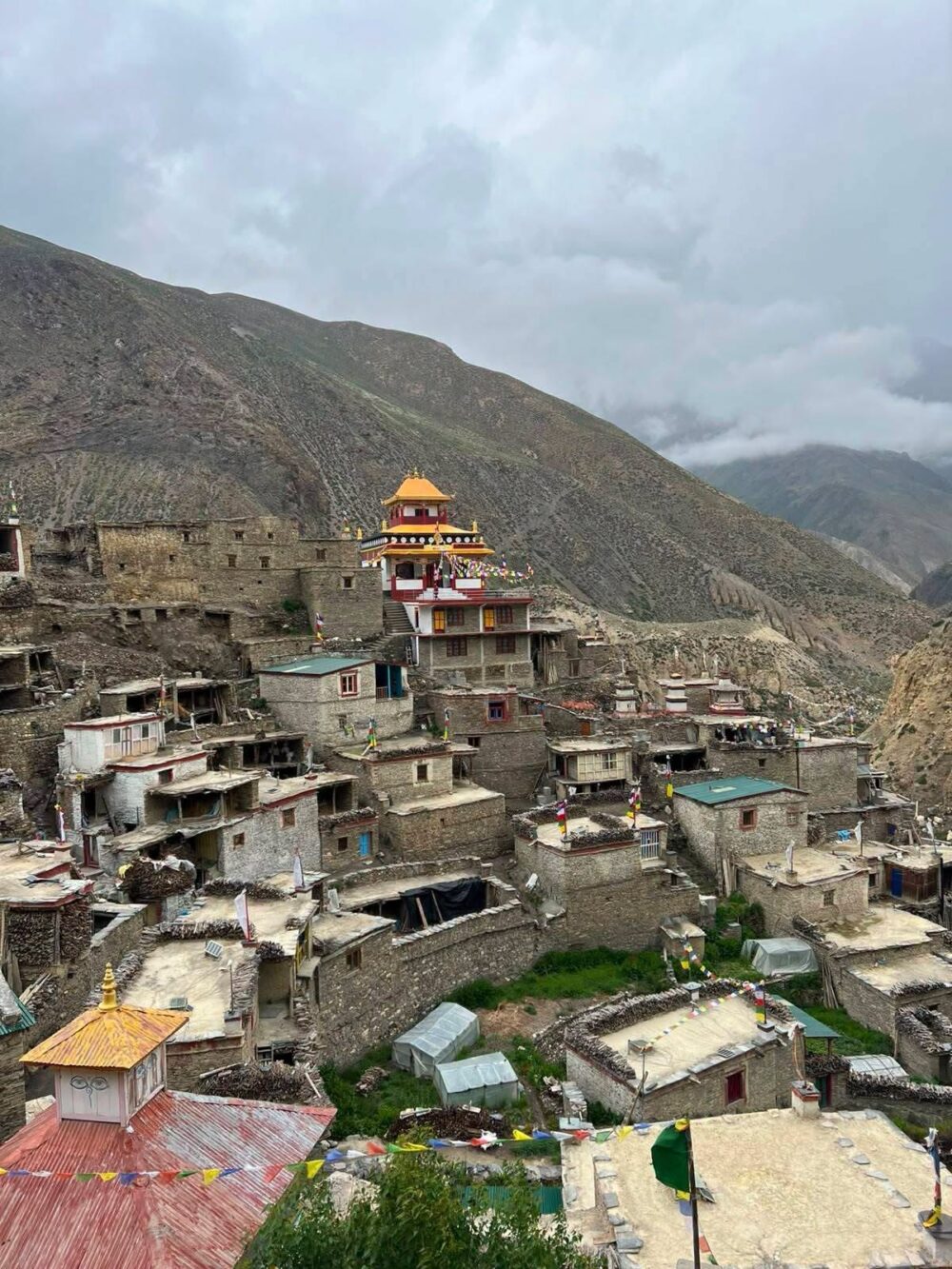
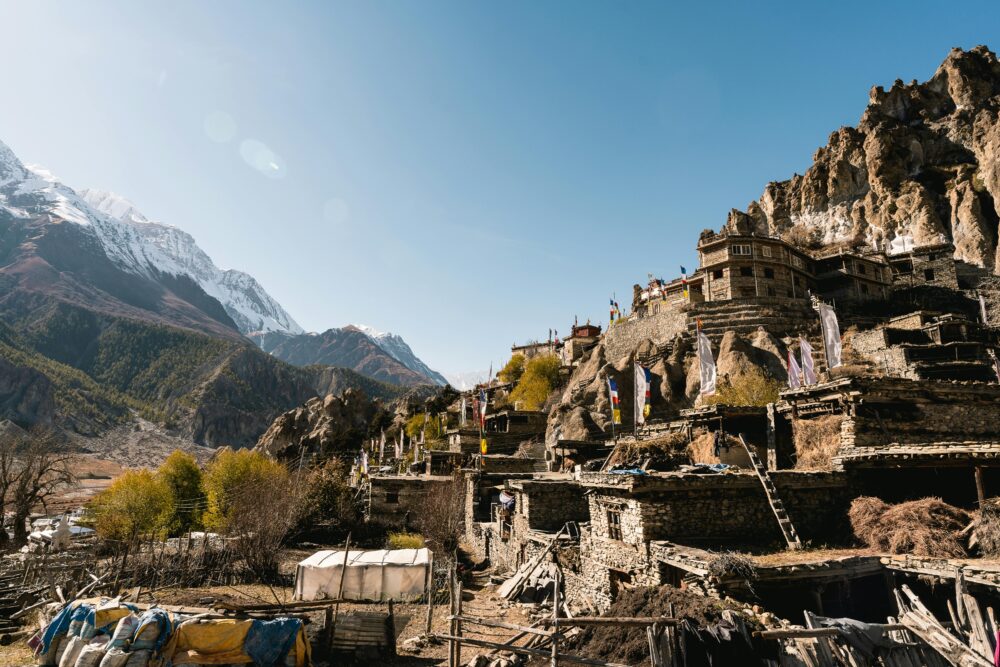
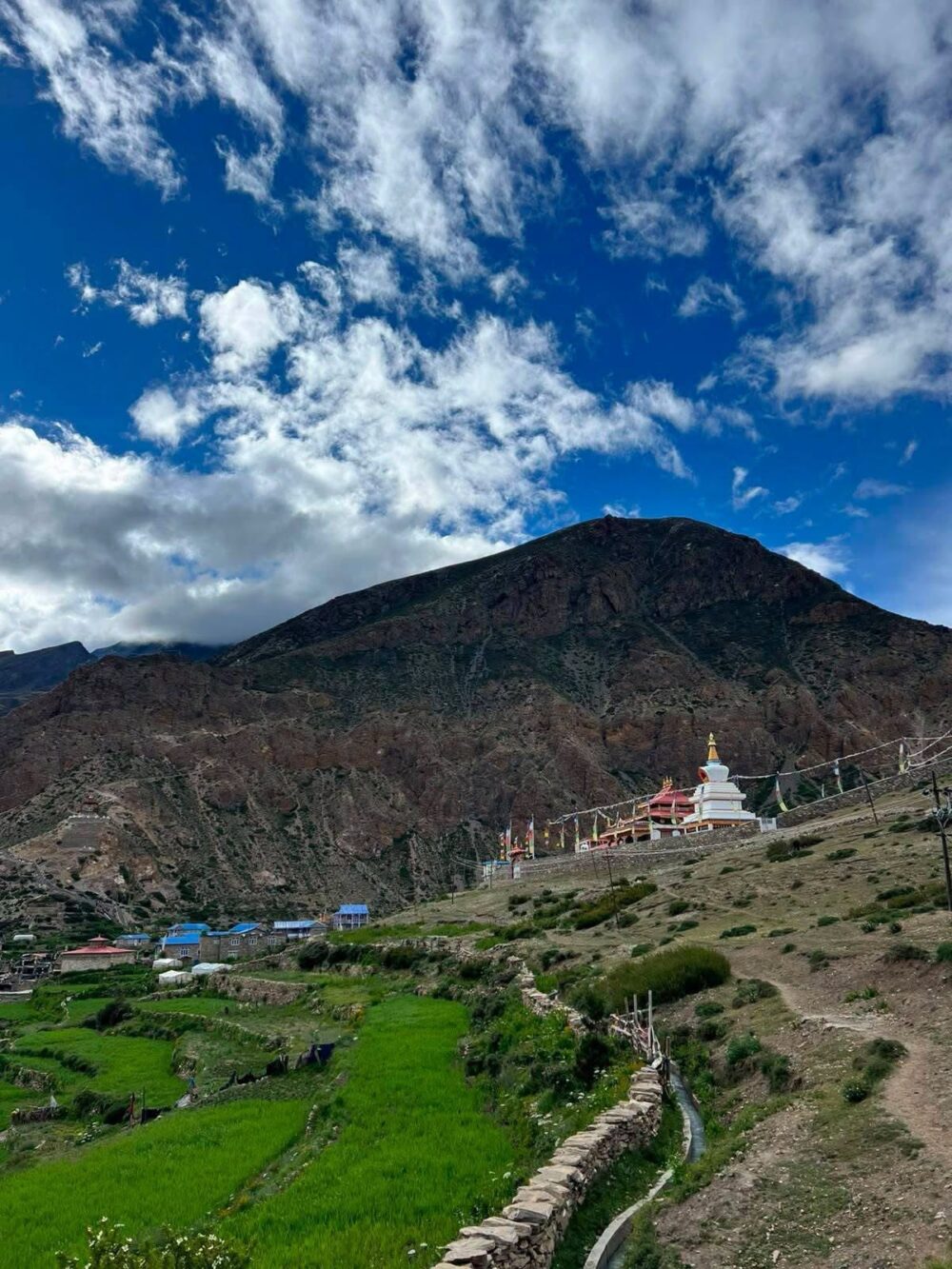
The trek to Nepal’s Nar Phu Valley is quite different from other, more popular trekking trails in Nepal. The trail passes through hidden valleys, traditional Tibetan-influenced villages, ancient monasteries, deep canyons and wide alpine landscapes. This area is not quite as popular as other destinations and therefore offers a more serene and genuine experience.
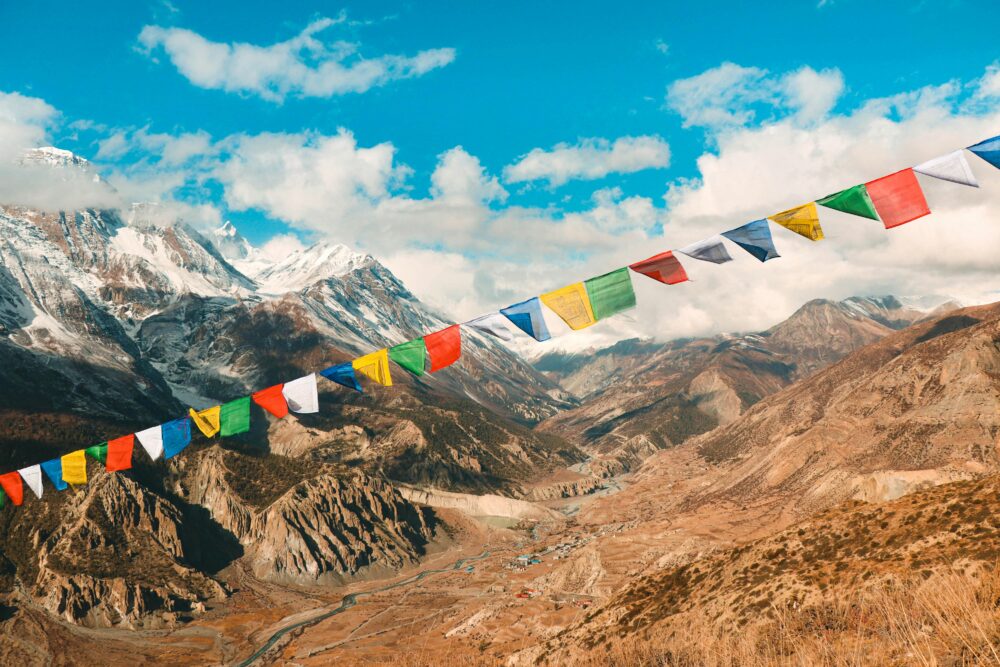
The trek will be long, the accommodations in the mountains will be very simple, the weather will shift and the views will be great. One of the highlights is crossing Kang La Pass (5,306 m / 17,408 ft), which offers excellent views of the Annapurna range before dropping down to Ngawal.
The trip offers a mix of natural beauty, local culture and adventure, making it a memorable experience. This trek is a great option for those seeking a trek away from the crowds in the Himalayas.






 Write a Review