

Booking open: Secure your trip early for the seasons 2026 & 2027


Bhutan Cultural Tour

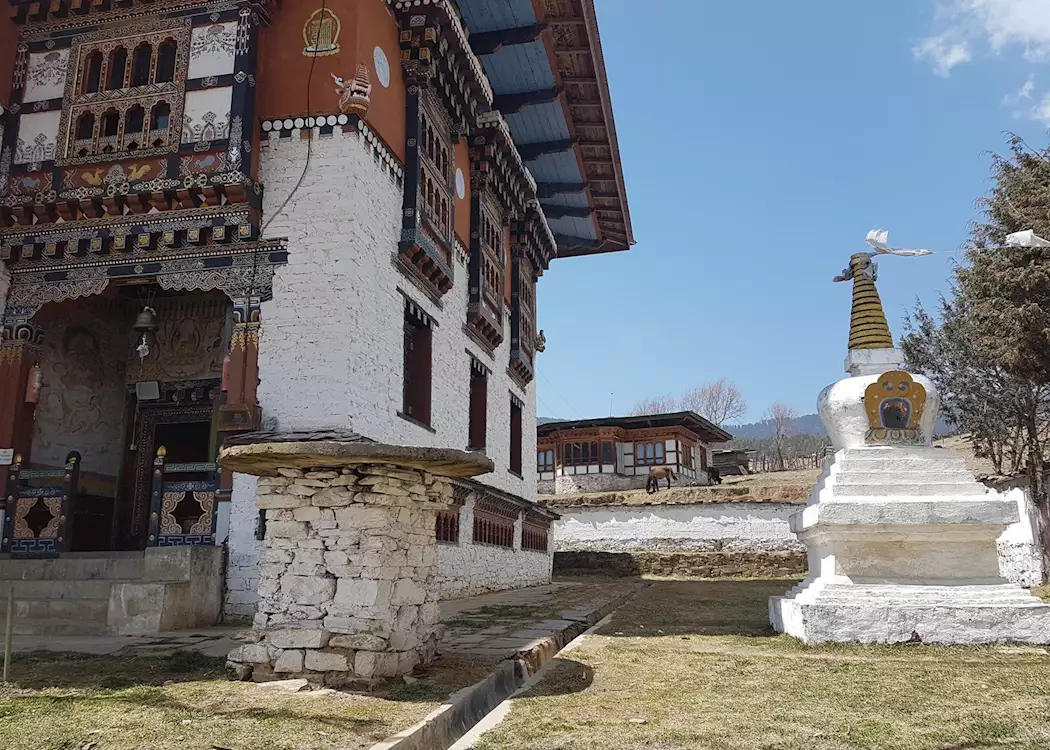
Quick facts about Bhutan Cultural Tour

Duration
10 Days

Trip Grade
Moderate

Maximum Altitude
3400m

Group Size
2 to 25 People

Starts
Kathmandu

Ends
Kathmandu

Accomodation
Hotel

Best Time
Autumn, Spring


Trip Overview
Bhutan Cultural Tour is an excellent trip through one of the world’s most peaceful and culturally preserved country. This tour takes you through the ancient monasteries, historic fortresses, traditional villages, beautiful valleys and the unique way of life in Bhutan. The trip is intended to provide a gentle and enjoyable way to explore the nation’s rich culture, the festivals, traditions and natural beauty.
The adventure starts in Paro and then onwards to Thimphu, the capital of Bhutan. In the process, you will see significant places as well as local markets, museums and temples, which will help you gain insight into the Bhutanese culture. Each place has its own charm, whether it’s the tranquil ambiance of the monasteries or the bustling streets where locals keep following their traditions. The comfortable road trips between towns offer ample chance to enjoy forests, rivers, passes and rural vistas too.
A Bhutan Cultural Tour package would cover some of the most popular tourist attractions in Bhutan. You will visit the magnificent Punakha Dzong, the tranquil Gangtey Valley and the cultural hub of Bumthang. Dochula Pass (3,080m / 10,105 ft) is a scenic high pass. The destinations each hold a unique history, architecture and spiritual significance, which is what gives tourists a full experience of Bhutan’s heritage and lifestyle.
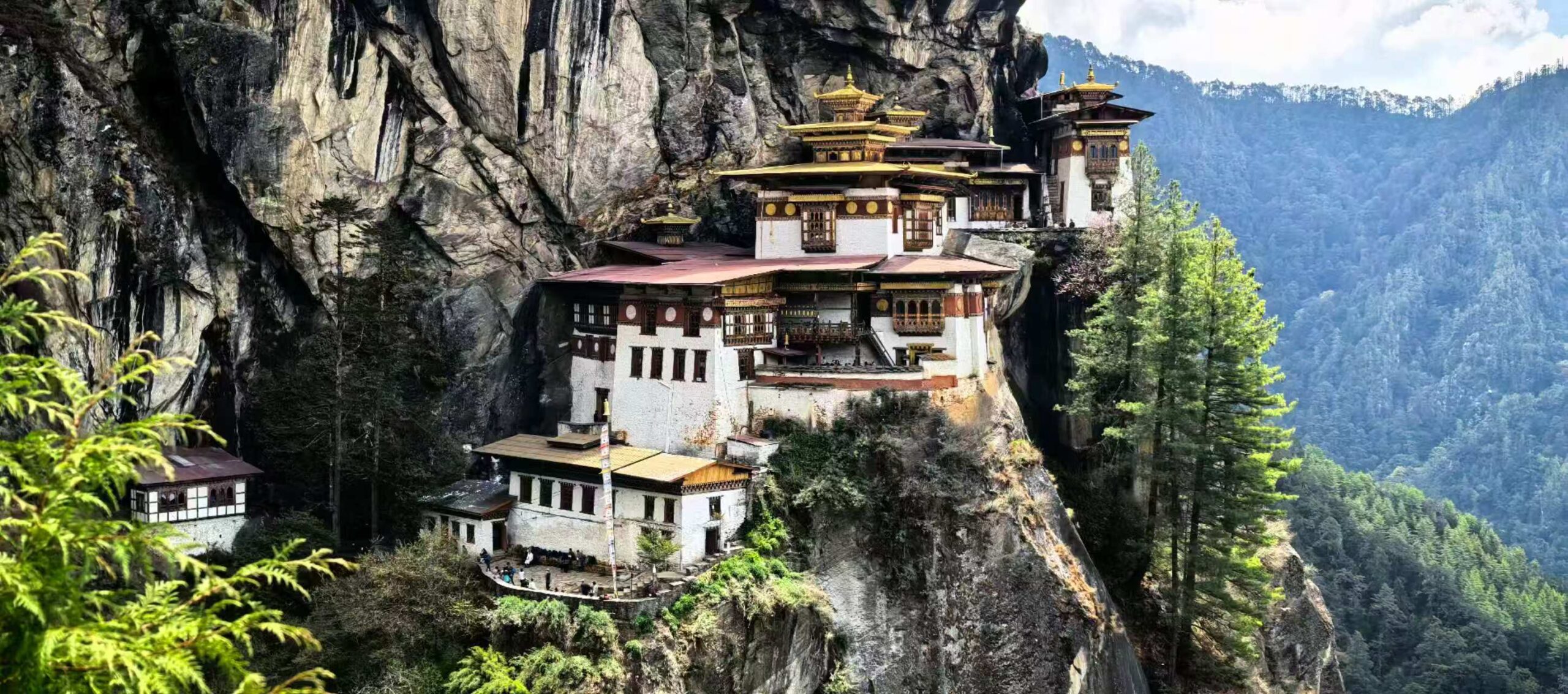
The main attraction on the way is a hike up to the renowned Tiger’s Nest Monastery. This sacred monastery is located on a dramatic cliff at 3,120 m (10,236 ft), one of the most important religious sites in Bhutan. While the walk is a bit tricky, most people find the well-maintained trail, quiet surroundings and reward of the views worthwhile. For those who don’t like to walk, the numerous other cultural highlights are scattered along the journey.
A Bhutan heritage tour is ideal for families, couples, single travelers and seniors for a relaxing holiday in the Himalayan region. Routes to most sightseeing spots are well paved and each day includes a combination of cultural and comfortable accommodation and local cuisine. There is careful pacing on the itinerary, which will give ample time to enjoy each destination without rushing through.
From a historical, spiritual, photographic or cultural standpoint, this journey is an excellent travel experience. Himalayan Idol Adventure has professional planning, experienced local support and a reliable service organization that can help you to make your Bhutan adventure smooth, comfortable and memorable.
Route Overview
The Bhutan Cultural Tour starts with arrival at Bhutan International Airport in Paro and then a scenic drive to the capital city of Bhutan, Thimphu. Then it’s on to traversing the beautiful Dochula Pass (3,080 m / 10,105 ft) before arriving at the tranquil Gangtey Valley. The trail then goes east to the cultural hub of Bumthang, past Pele La Pass (3,300 m / 10,827 ft) and through the historic town of Trongsa.
The tour includes visiting the ancient monasteries and temples in Bumthang and then heading back to the old capital of Bhutan, Punakha. Then you will head back to Paro, stopping at the Chimi Lhakhang, Simtokha Dzong, Ta Dzong and Rinpung Dzong. It ends with a hike to the renowned Tiger’s Nest Monastery at 3,120 m (10,236 ft) before your return to Paro, the well-rounded circuit of the most significant cultural and scenic sites in Bhutan.
- Owner operated
- Price match guaranteed
- Tailored made trip
- Secured online payment

Trip Highlights
- Explore the renowned Tiger’s Nest Monastery, majestically standing on a cliff overhang in Paro Valley.
- Take a look at the bustling capital of Thimphu and experience the blend of tradition and modernity.
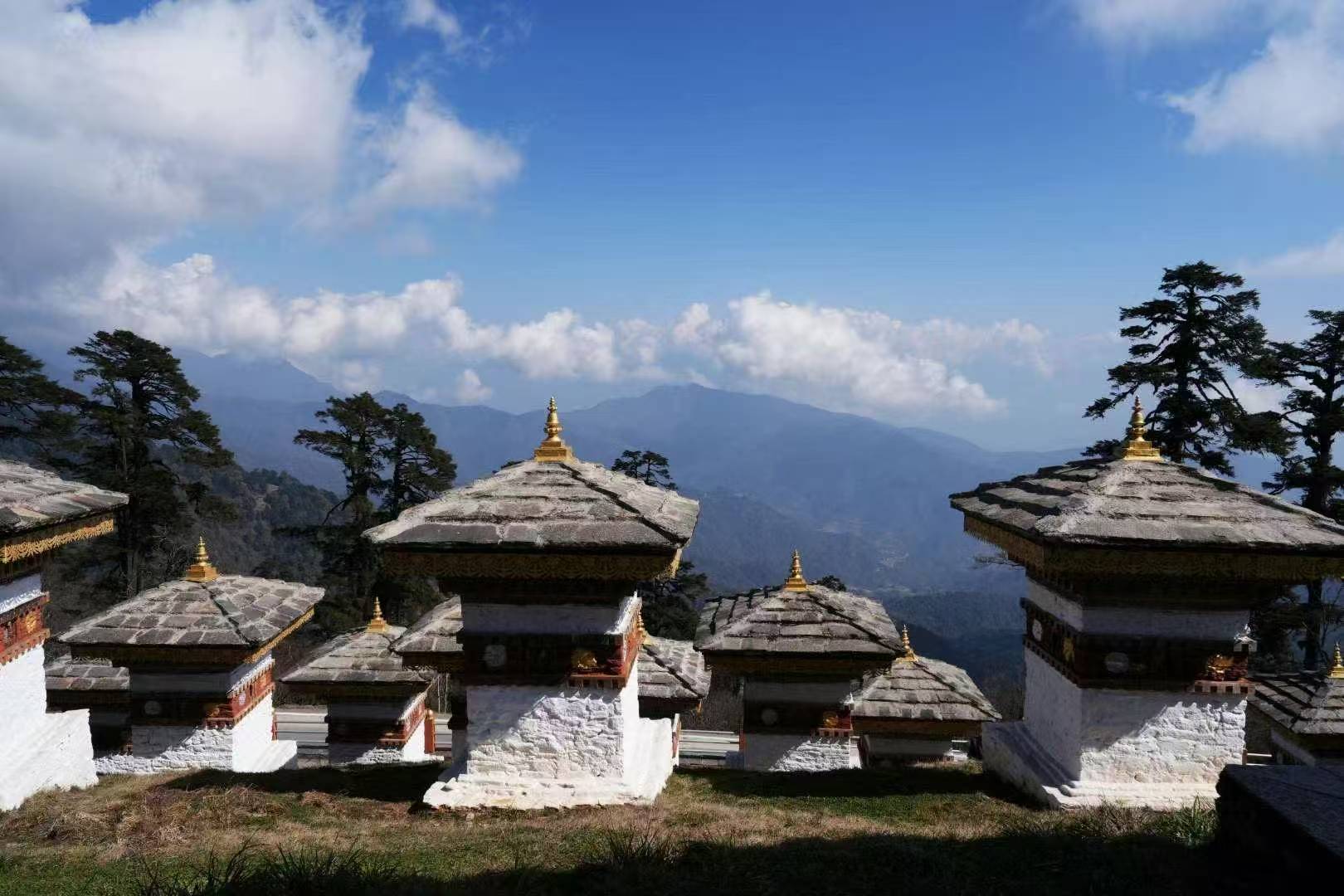
- Pass through the beautiful Dochula Pass (3,080 m / 10,105 ft) and witness the scenic Himalayan views and 108 memorial chortens.
- Experience the serene beauty of Gangtey Valley, one of the most scenic valleys in Bhutan.
- Enjoy the spiritual ambiance of Bumthang, where some of Bhutan’s oldest monasteries are located.
- Visit the marvelous Punakha Dzong, one of the finest fortress monasteries in the country.
- Explore traditional villages and meet friendly locals and gain an understanding of Bhutanese culture.
- Take a relaxing ride across forests, mountain passes, rivers and scenic valleys.
- Enjoy authentic Bhutanese dishes, Indian and international foods throughout the tour.
- Use local guides who are knowledgeable and experienced for a relaxed, well-organized and culturally enriching trip.

Detail Itinerary
Day 01: Arrive at Paro International Airport and Drive to Thimphu
The flight to Paro, one of the most picturesque mountain airports in the Himalayas, is the first leg of your Bhutan trip. Views of snow-clad peaks of the Himalayas can be seen at the landing site on a clear day. Upon completion of immigration procedures and picking up of bags, our representative will be at the airport to greet you.
We will drive from Paro to the capital city of Bhutan, Thimphu. The route runs along a gorgeous mountain road and also visits the confluence of the Paro and Thimphu rivers at Chuzom. In this place, you will see three different styles of chortens: Bhutanese, Tibetan and Nepalese. On the way to Thimphu, we will also visit Tschogang Lhakhang, a historic temple dating from the 15th century.
Once you have arrived at the hotel, you can walk through the local market and Crafts Bazaar and admire traditional handicrafts, textiles, paintings, wooden carvings and handcrafted souvenirs.

Activity: 2 Hours City tour and sightseeing

Accommodation: Hotel

Meal: Lunch, Dinner

Max Altitude: 2,400m/7,874ft. (Thimphu Bhutan)
Day 02: Sightseeing Around Thimphu City
On this day, we will visit the most important cultural and historical sites of Thimphu after breakfast. The first stop is the Zorig Chusum Institute where we get to know the 13 traditional crafts and arts of Bhutan.
We will then proceed to the Textile Museum and learn about the tradition of weaving in this country and beautiful handmade cloths. After lunch we will continue our journey to Pangri Zampa, one of the oldest monasteries in Bhutan, where young monks learn Buddhist philosophy and astrology in the monastery.
Following this, we will stop at Buddha Point, Kuensel Phodrang to see one of the largest Buddha statues in Bhutan.The vantage point also offers a great overview of the entire Thimphu Valley. We will proceed to the King’s Memorial Chorten; people come here every day to pray and spin prayer wheels.
We will visit the impressive Tashichho Dzong, the administrative centre of Bhutan and summer residence of the Chief Abbot before returning to the hotel.
Activity: Full day Sightseeing tour
Accommodation: Hotel
Meal: Breakfast/ Lunch/ Dinner
Max Altitude: 2,400m/7,874ft. (Thimphu, Bhutan )
Day 03: Drive from Thimphu to Gangtey
We will leave Thimphu and drive to Gangtey in Phobjikha Valley. The road winds through the famous Dochula Pass (3,080 m / 10,105 ft) and is adorned with the colorful prayer flags and 108 memorial chortens on the hilltop. The pass has a vast view of the eastern Himalayan range on a clear day.
We will pass through Wangdue Phodrang, where you can see the products of bamboo, stone and slate and also do shopping in the market. The road then goes through forests of oak, pine and rhododendron and arrives at the tranquil Gangtey Valley. This is a wide glacial valley which is one of the few open valleys in Bhutan and is famous for its serene environment and picturesque landscape.
Shortly after lunch, we will take a walk around the Gangtey Village and visit the historic Gangtey Goemba, the most important Nyingma monastery in the region, before heading to the hotel in the afternoon.
Activity: 5 Hours Scenic drive and monastery sightseeing
Accommodation: Hotel
Meal: Breakfast/Lunch/Dinner
Max Altitude: 3,080m/10,105ft. (Gangtey)
Day 04: Drive from Gangtey to Bumthang
Activity: 7 Hours Drive/ Sightseeing
Accommodation: Hotel
Meal: Breakfast/ Lunch / Dinner
Max Altitude: 3,400m/11,155ft. (Bumthang)
Day 05: Full Day Sightseeing in Bumthang Valley
The day is dedicated to learning about the spiritual and cultural allure of Bumthang Valley. After breakfast, one of Bhutan’s most sacred temples, Kurje Lhakhang, can be visited in which it is said that Guru Padmasambhava left his body imprint on a rock. Then we will proceed to Jambey Lhakhang, one of the oldest religious temples in the 7th century in Bhutan.
The next stop is Tamshing Lhakhang which is famous for its traditional architecture and its well-preserved ancient wall paintings. We will also visit Jakar Dzong, which is a large fortress that overlooks the valley and is the administrative centre of Bumthang.
We will then wander around the surrounding village and some local handicraft shops and then head for a short walk to the Lhodrak Kharchhu Monastery. The monastery is an important place of worship that has been known to preserve the Buddhist teachings and offer education to young monks.
After exploring the calm environment, you will then return to the hotel for the overnight stay in Bumthang.
Activity: Full Day Sightseeing tour
Accommodation: Hotel
Meal: Breakast/Lunch/Dinner
Max Altitude: 2,800m/9,186ft. (Bumthang , Bhutan)
Day 06: Drive from Bumthang to Punakha
From Bumthang, we will drive through a wonderful route to Punakha, to be the former capital of Bhutan. This road takes you through beautiful mountain scenery, forest and traditional villages, with great views along the way. This will traverse several mountain passes before heading down through the warmer Punakha Valley at 1,350 m (4,429 ft).
Upon reaching Punakha, we will check into the hotel and have some leisure time. We will next visit the famous Punakha Dzong, one of the most impressive fortresses of Bhutan. It was constructed at the confluence of the rivers Pho Chhu and Mo Chhu and was Bhutan’s capital until 1955 and is still the winter home of the central monk body.
In the evening, you can take a tranquil walk in Punakha town and along the river and then back to the hotel.
Activity: 7 Hours Drive
Accommodation: Hotel
Meal: Breakfast/ Lunch/ Dinner
Max Altitude: 3,400m/11,155ft. (Punakha, Bhutan )
Day 07: Sightseeing Around Punakha Valley
Following breakfast, we head out for an enjoyable hike through rice fields and small villages to the temple of Khamsum Yulley Namgyal Chorten. The beautiful temple was constructed by the Queen Mothers of Bhutan on a hilltop and has a great view of the Punakha Valley. The tranquil path offers a taste of living in rural times with the people living nearby.
Later on, Sangchhen Dorji Lhuendrup Lhakhang Nunnery is to be visited, which is situated on a ridge above the valleys of Punakha and Wangdue Phodrang. In the temple, there are many significant Buddhist statues and a large statue of Avalokiteshvara in bronze. The nunnery also teaches and trains young nuns.
Following the visit to the monastery, we will enjoy the scenery and will come back to the hotel for the night in Punakha.
Activity: Full Day Sightseeing
Accommodation: Hotel
Meal: Breakfast/lunch/Dinner
Max Altitude: 1,700m/5,577ft. (Punakha, Bhutan)
Day 08: Drive from Punakha to Paro
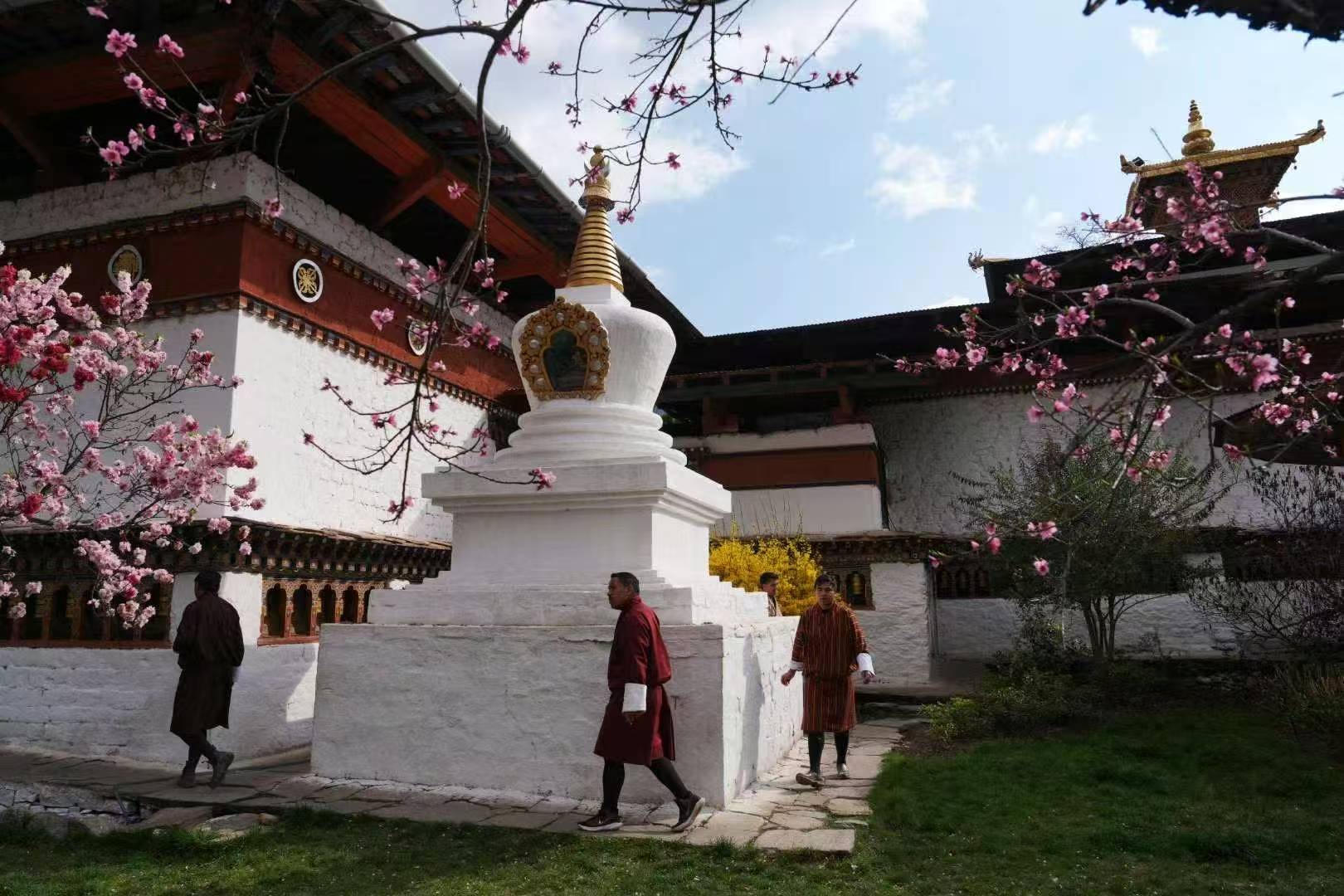
We will then drive to the starting point of the trail to Chimi Lhakhang after breakfast. This is a famous fertility temple, which is located after a pleasant walk through the rice fields and small villages. This walk is also an opportunity to see village life in the countryside.
We will then get back into the vehicle and drive further to Paro. En route, we will pass through Simtokha Dzong, established in 1627 and now serving as a Buddhist learning centre, which is the oldest fortress in Bhutan.
After arriving in Paro (2,200 m / 7,218 ft), we will check in at the hotel and then head to Ta Dzong National Museum in Bhutan. Then we will proceed to Rinpung Dzong, a historic fortress that has beautiful architecture and traditional Buddhist paintings.
Activity: 5 hours Drive and sightseeing
Accommodation: Hotel
Meal: Breakfast/ Lunch/Dinner
Max Altitude: 2,200m/7,218ft. (Paro, Bhutan )
Day 09: Hike to Tiger's Nest Monastery
After breakfast, we will start hiking up to the renowned Tiger’s Nest Monastery, one of Bhutan’s most sacred places. The trail rises steadily through the pine forests, eventually reaching the monastery, which is located on a dramatic cliff (3,120 m / 10,236 ft) about 900 m above the Paro Valley. There are also several vantage spots for rest and enjoyment of the spectacular scenery.
Following the practice of Buddhism, Guru Rinpoche flew here on the back of a tigress and meditated here, thus making it one of the holiest places of pilgrimage in Bhutan. We will visit the monastery and then take a hike back to the valley.
We will visit one of the oldest temples in Bhutan (Kyichu Lhakhang) in the evening, followed by a return to our hotel in Paro.
Activity: 5 Hours Day Hiking
Accommodation: Hotel
Meal: Breakfast/ Lunch /Dinner
Max Altitude: 3,120m/10,236ft. (Tiger's Nest Monastery)
Day 10: Departure from Paro
Following a good morning breakfast, we will check out of the hotel and travel to Paro International Airport. Our representative will help you with the departure procedures and make sure that everything is done smoothly before your flight departs.
At the end of your Bhutan tour, you will have a last glimpse of the surrounding mountains and valleys before the flight. The weather is perfect for this trip, which ends with a gorgeous view of the Himalayan mountains in a clear sky.
We hope you come out of Bhutan with great memories of its peaceful monasteries, warm people, lovely and picturesque landscapes and unique culture. Safe travels and we look forward to seeing you in the future.
Activity: 1 hour Departure flight
Accommodation: NA
Meal: Breakfast
Max Altitude: 2,200m/7,218ft. (Paro)
If our standard itinerary doesn't fully meet your needs, we are happy to tailor it to your specific preferences and requirements.
Trip Information of Bhutan Cultural Tour
How Difficult is the Trek?
Bhutan Cultural Tour is rated as easy and is a tour for all ages and fitness levels. The trip is largely sightseeing, short walks and comfortable road trips, so there are no long days of trekking or technical mountain days. The majority of the attractions are accessible by car, while a few short hikes around monasteries, villages and viewpoints are available.
The only moderately difficult activity is hiking to the Tiger’s Nest Monastery. The trail climbs steadily to an elevation of 3,120 m (10,236 ft) and usually takes around five hours for the round trip. The path is well-maintained and most people can walk at a suitable speed with regular breaks.
This Bhutan Cultural Tour package is perfect for those who are visiting for the first time, families, couples and senior travelers. Enjoy the journey with a positive attitude, comfortable walking shoes and relax your pace.
Best Time to do this Trek: Month-By-Month Visibility & Weather Guide
The Bhutan Cultural Tour is a year-round experience with each season providing a unique experience. The Spring season (March-May) is one of the most sought-after times of the year, with flowers, green valleys and clear mountain views.
The period between June and August is summer and is warmer with more rain than the rest of the year, particularly in the southern part of Bhutan. Sometimes there are showers, but otherwise the landscapes are lush and fresh. September to November is another great time to go on a Bhutan heritage tour, with good visibility and temperate weather, as well as some great festivals around the country.
The weather is dry, with clear skies and fewer visitors during December to February. Temperatures are chilly on the higher elevations, but places such as Paro, Thimphu and Punakha are fine for sightseeing. Whatever time of year you go, it is always a good idea to look at the weather forecast before traveling.
Transportation, Food and Accommodation
All modes of transport are through private tourist vehicles with local drivers during the Bhutan Cultural Tour. Roads are in good condition; some sections of the mountains are winding. You can enjoy the beautiful scenery of Bhutan in between the destinations by comfortable traveling.
Most hotels are properly sanitized, well furnished and have state-of-the-art amenities. Depending on the package, you can stay in standard hotels or luxury resorts. Himalayan Idol Adventure prepares well-planned accommodation with comfort and a convenient location along the way.
Typically, meals are included in a Bhutan Cultural Tour package, which consists of breakfast, lunch and dinner. Bhutanese cuisine includes the usual dishes of ema datshi, red rice, vegetable curries and many more. Indian, Chinese and continental dishes are served with the usual Bhutanese dishes. There are lots of vegetarian choices available and most hotels are able to cater for dietary needs, provided they are notified in advance.
Altitude Sickness
Unlike the high-altitude trek, Bhutan Cultural Tours are not necessarily in the high altitudes, but they do visit mountain passes and mountain viewpoints over 3,000 m (9,843 ft). The highest point on the itinerary is Dochula Pass (3,080 m / 10,105 ft), while Tiger’s Nest Monastery reaches 3,120 m (10,236 ft).
Although most visitors will not suffer from any serious altitude sickness, as the tour passes from place to place, the body adapts naturally. But several people may experience mild symptoms like headaches or a bit of fatigue during the heavier visits.
Drink plenty of fluids, avoid excessive alcohol consumption, eat light meals and walk slowly on the uphills to minimize discomfort. Altitude problems are rare for most healthy travelers on the Bhutan heritage tour as the activity is not too fast or complicated.
Fitness & Training Plan for the Trek
Bhutan Cultural Tour is not physically demanding; however, a moderate fitness level is helpful to enjoy the trip. Visitors must be able to walk for several hours on uneven ground, ascend and descend stairs and spend time outdoors for sightseeing.
The hike to Tiger’s Nest Monastery is the toughest. It is best to build up stamina and confidence through regular walks, light hill climbing or gentle cardio training for a few weeks before departure.
In case you select a Bhutan Cultural Tour package, it is probable that just stretching exercises and keeping yourself active before the trip are sufficient. Comfortable hiking shoes, a water bottle and layers of clothes will make each day an enjoyable experience as well.
Visa and Permits and Necessary Documents
Indian, Bangladeshi and Maldivian nationals can get a visa on arrival for Bhutan, while all other foreign nationals must obtain a visa before their arrival in Bhutan. Your trip is confirmed and then your visa is organized by an authorized Bhutan tour operator.
Validity of the passport for a Bhutan Cultural Tour should be a minimum of 6 months from the date of issue, a passport-size photograph if required and necessary personal information for visa processing. Indian tourists usually enter the country with a valid passport or a voter identification card and get the required entry documents upon arrival.
Himalayan Idol Adventure helps you to coordinate the necessary travel documents with its operating partner in Bhutan and process the permit before your trip, so that you can travel with peace of mind.
Health & Safety on the Trek: Emergency Support and Evacuation
The Bhutan Cultural Tour is well-organized and safe and has good access to health services at major towns like Paro, Thimphu, Punakha and Bumthang. The majority of sightseeing sites are readily accessible by road and easily transported if medical assistance is required.
A guide with experience watches the travellers all the time and advises them on the practicalities of being healthy during the trip. Personal medication and sufficient water supply, as well as instructions from the guide, prevent common problems encountered on a journey.
In case of a serious emergency while on your Bhutan tour, evacuation is possible via local authorities and travel insurance companies. Travelers are advised to have comprehensive insurance coverage with emergency medical treatment and evacuation coverage before traveling.
Mobile Network, Internet & Charging Facilities Along the Trail
There is limited mobile coverage in most towns during the Bhutan Cultural Tour, including the town of Paro, Thimphu, Punakha, Gangtey and Bumthang. The two major operators are B-Mobile and Tashi Cell, both of whom have prepaid SIM cards available for purchase by visitors.
The majority of the hotels in the Bhutan Cultural Tour package offer Wireless Internet access, though it may be slower in certain areas. In urban areas, connections are usually reliable, but in distant valleys, connections may be slower.
Most hotels will allow you to charge your mobile phone, camera and other electronic devices. A travel adapter and power bank are also advised for extended sightseeing days or for extended periods out of your accommodation.
Travel Insurance
It is highly recommended to take travel insurance for all Bhutan Cultural Tours. A good policy will offer financial coverage in the event of unforeseen incidents occurring during your trip such as medical emergencies, flight delays, flight cancellations or loss of luggage.
The journey involves going through mountainous terrain and walking to Tiger’s Nest Monastery (3,120 m / 10,236 ft), so ensure that your insurance covers emergency medical care and evacuation. Check the policy in detail before buying to make sure that it includes all intended activities.
It is beneficial to have a print and an electronic copy of your insurance paperwork to have when booking your Bhutan Cultural Tour package. You can also share information on your policy with family members before the trip, which can make emergencies easier to handle if necessary.
Language & Communication
The national language of Bhutan is Dzongkha, but English is widely used in the tourism industry, hotels, restaurants and government offices. Communication with most guides is easy in clear English as they are international.
Most of the locals also know basic Hindi, particularly where tourists from neighbouring countries visit. A couple of basic greetings in Bhutanese are welcome and would enhance the experience of dealing with local communities.
Your guide will assist you when necessary during your Bhutan heritage tour. With the help of the local teams who have experience in language issues, you can enjoy the culture, history and hospitality of Bhutan without worrying about language barriers.
Useful Tips for the First-Time Travellers
Is the Tour Suitable for Kids and Teenagers? An Honest Age Guide
Yes, Bhutan Cultural Tour is an option for children and teenagers. The route offers a pleasant road trip, cultural tours and walking, but not any strenuous hikes. For older children, the trail can be adjusted to a more leisurely pace, with frequent breaks along the way, to reach the Tiger’s Nest Monastery.
Young travelers should have appropriate clothes, food and water for their families’ comfort. Besides being fun for kids, this tour provides them a chance to learn about the history, culture and traditions of Bhutan.
This Tour for Seniors: What to Expect at 60+
The Bhutan Cultural Tour is enjoyed by many travelers who are 60 and older without any hassle. You can get to most sightseeing places by car, which means that less physical effort is required. The only difficult activity is hiking up to Tiger’s Nest Monastery, which can be omitted if desired.
The trip is easy and pleasant due to comfortable accommodation, slow-paced driving and frequent rest breaks. For seniors with good health and mobility, the culture, monasteries and beauty of the mountains are accessible.
First Himalayan Tour Ever? Why This Tour Is Ideal for You
Bhutan Cultural Tour is a good option for first-time visitors to the Himalayas. It offers cultural experiences, scenic drives and gentle walks, but no trekking days. Each night you’ll stay in comfortable hotels, visit ancient monasteries, peaceful valleys and traditional villages.
The route is well timed to acclimatise to the mountain air. For first-timers, it’s the ideal introduction to traveling around the Himalayas.
This Tour Without a Guide: Is It Legal and Is It Wise?
Most foreign tourists are not allowed to travel alone in Bhutan. All travellers are required to go through a licensed tour operator and approved guide except citizens of India, Bangladesh and the Maldives.
With a guide also there to explain Bhutan’s history, religion and customs, logistics and permits are also taken care of. A guided tour simplifies the journey, provides information and helps comply with Bhutan’s tourism policy.
How Crowded Is This Tour?
Most of the time, the Bhutan Cultural Tour is not as crowded as some of the more popular places to visit in Nepal. Attractions such as Tiger’s Nest Monastery and Punakha Dzong can become busy during spring and autumn, especially during festivals.
But its tourism policy restricts the number of visitors to Bhutan, which helps to maintain a peaceful atmosphere. Travel during off-peak hours or out-of-peak holiday weekends means a more relaxed experience and less noise.
Solo Female Travelers on This Tour: Safety and Practical Notes
Bhutan ranks among one of the safest countries in Asia and is a great place for solo female travellers to take up the Bhutan Cultural Tour. Crime is low and people are courteous and friendly in the area.
A licensed guide will be able to offer extra assistance on the trip. Positive interactions will be created by dressing modestly when visiting monasteries and respecting local customs. As with all foreign countries, standard precautions for travel are kept.
Best Photography Spots on the Tour
The Bhutan Cultural Tour is a great time for photography enthusiasts. Tiger’s Nest Monastery offers the best vantage point and Dochula Pass offers panoramic views of the Himalayas on a clear day. Another popular spot is Punakha Dzong, located next to the rivers, particularly in the spring when jacaranda trees bloom.
The journey is packed with inspirational and scenic photographs of the peaceful Phobjikha Valley, the traditional villages, prayer flags and beautifully decorated monasteries.

Frequently Asked Questions
The currency is Ngultrum, the official currency of Bhutan and is exchangeable with the Indian Rupee. Payment in Indian Rupees is accepted all around, while international cards are accepted to a lesser degree.
There is no official luggage limit for domestic road travel; generally one medium suitcase and one daypack are suitable for comfortable travel.
Yes. At the airport and major towns, you can get a tourist SIM card from B-Mobile and TashiCell to use with your passport information.
There are bank ATMs in Paro, Thimphu, Punakha and Bumthang and it is advisable to have a little cash on hand in smaller towns and for local shopping.
Dress in simple attire to cover shoulders and knees. Take off hats before entering religious buildings and heed the instructions of the religious guide.
Yes. Vegetarian, vegan and other special diets can be requested at most hotels and restaurants before or at the start of the tour.
Prior approval is needed from the Bhutanese authorities to use a drone. Most tourist sites will not allow drone flights without permits.
Some of the popular souvenirs are handwoven textiles, prayer flags, thangka paintings, wooden carvings, traditional Bhutanese handicrafts, handmade paper goods, incense, etc.
Yes. The majority of tour operators are able to tailor the scenery, the hotel, the length of the tour and the speed of travel to suit your interests and available time.
Most Bhutan cultural tour packages cover the cost of entrance fees to the monuments and monasteries, but check and verify them before booking the package.
- Owner operated
- Price match guaranteed
- Tailored made trip
- Secured online payment
 Testimonial
