Exploring Kapuche Lake: Nepal’s Stunning Hidden Glacier Lake
30 July, 2026
By PK
Nepal is known for its towering mountains, famous trekking routes and beautiful alpine lakes. Many travelers go to popular places such as Everest Base Camp, Annapurna Base Camp, Tilicho Lake and so on but there are still quiet spots that can be explored. One of these lesser-known treks is the Kapuche Lake Trek whichinvites trekkers to enjoy peaceful trails, culture and a stunning glacier lake surrounded by tall peaks of the Himalayas. This trek offers one of the least crowded tracks to experience nature, compared to the more populated trekking routes in Nepal.
The route takes you to the village of Gurung, the forest trails, flowing rivers and waterfalls, open mountain scenery and finally to the lake. The trail is good for trekkers who want a brief but demanding trek in the Himalayas other than the popular treks of Nepal. If you are travelling to Nepal for the first time or if you have followed some of the most popular trails and are seeking a quieter and undiscovered destination, then Kapuche Lake may be worth considering.
What Is Kapuche Lake?
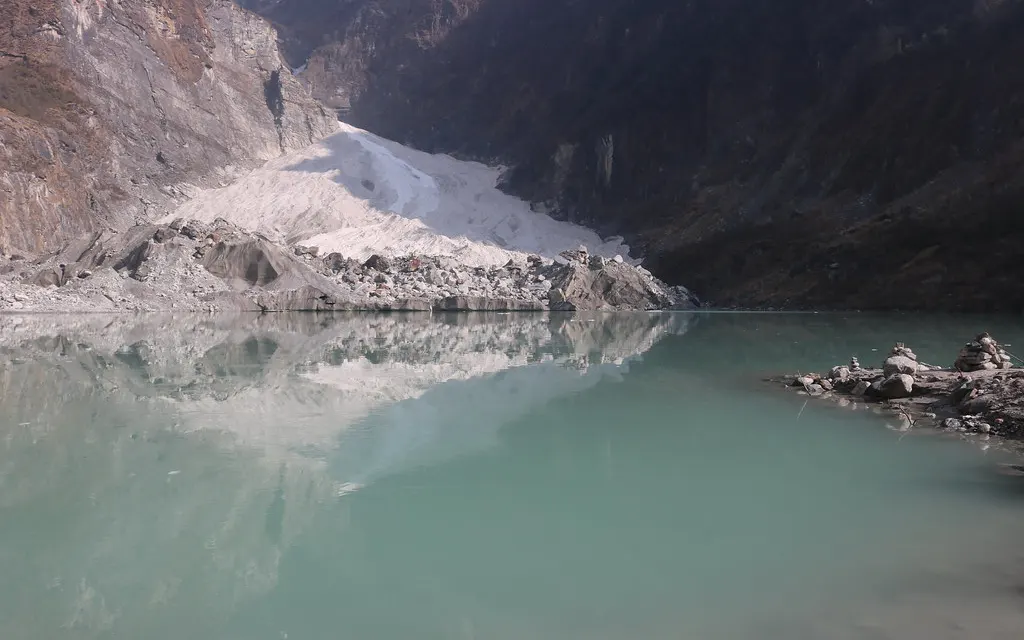
Kapuche Glacier Lake is a glacial natural lake in the Annapurna region of Nepal. It is at an altitude of about 2546 metres (8353 feet) in the Sikles area of Kaski District. Most of the year, the water in the lake is a deep blue colour, as it is fed by melting ice from the glaciers nearby.
Kapuche Lake is referred to as Nepal’s lowest-altitude glacier lake. While many glacier lakes are very high and require a long and arduous trek, Kapuche can be reached in just a few days and is still at a much lower altitude. It is open to more trekkers and yet presents splendid scenery along the route in the Himalayas.
The lake’s natural beauty has been maintained through its peaceful environment and clean mountain air. A natural leisurely pause is given to visitors to enjoy the tranquility before heading back to Sikles.
Nepal is known for its towering mountains, famous trekking routes and beautiful alpine lakes. Many travelers go to popular places such as Everest Base Camp, Annapurna Base Camp,...
7 Days
Moderate
Where Is Kapuche Lake Located?
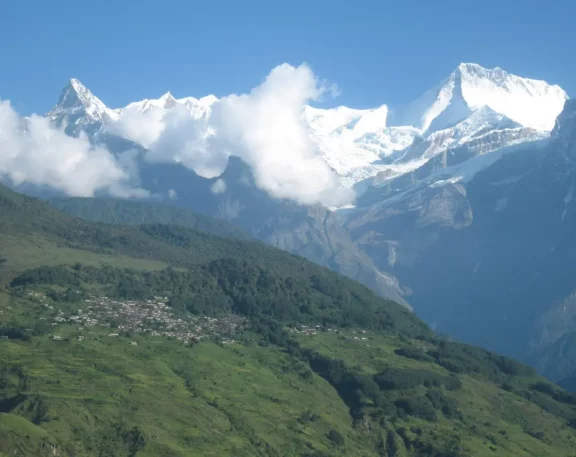
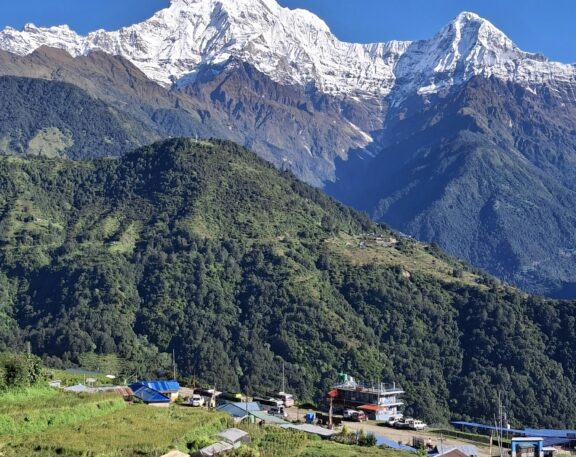
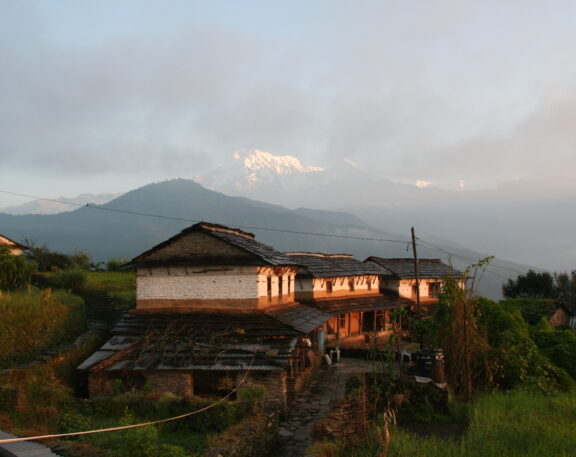
Kapuche Lake Nepal is situated in Kaski District of Gandaki Province, northeast of Pokhara. After a drive from Pokhara to Sikles, a traditional Gurung village located at approximately 1980m/6496ft, the trek starts. The primary access point to the lake is through Sikles.
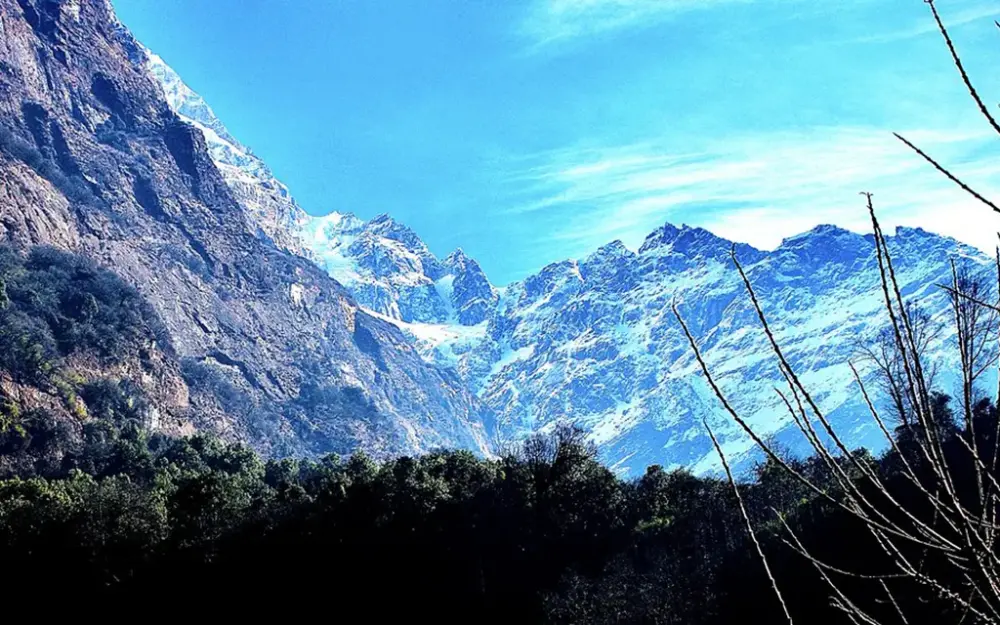
The surrounding area is part of the Annapurna Conservation Area, containing forests, wildlife, mountain streams and several peaks of the Himalayas. During sunny days, trekkers can see the views of Annapurna II, Lamjung Himal and other nearby mountains.
The site was chosen for its views of the mountains without venturing into the higher Annapurna area. This ease of access and natural beauty have made Kapuche a popular destination for both locals and tourists for hiking.
Why Kapuche Lake Is Becoming Popular?
The Kapuche Lake Trek has become popular due to the many treks that it has to offer but they are not as long as the longer Himalayan treks. With limited vacation days, travelers can enjoy mountain villages, forests, rivers and a glacier lake without a 2-week trek.
The other reason is due to the peaceful ambiance. The trails are not as busy on the trekking routes as they are in other parts of the year. Trekkers spend hours in the woods with few fellow trekkers.
However, photography lovers like the changing color of the lake on sunny mornings when the surrounding mountains reflect in it. Over the years, locals have developed an interest in the route but it remains a more natural and less commercial trek than a number of popular trekking routes.
Best Time to Visit
The ideal time to visit the Kapuche Glacier Lake is in the spring (March-May) or fall (September-November).
Spring is a time of blooming rhododendron forests, mild temperatures and clear mountain views. As the flower hues add color to the hillsides, the walk is even more enjoyable.
Fall is a period of seasonable weather, dry trails and excellent visibility after the monsoon. These months are the best for seeing the mountain views.
For experienced trekkers who are not afraid of the cold, winter (December to February) can also be a great season to visit the area. Mornings might be frosty and temperatures may fall below freezing in the area near the lake.
The monsoon time from June to August is not always the ideal season to visit, as the rain can make the trails slippery, make it difficult to see the mountains and can lead to landslides.
How to Reach Kapuche Lake
The journey to Kapuche Lake Nepal usually starts in Kathmandu before traveling to Pokhara. People can fly or drive to Pokhara according to their time and budget.
Sikles is located about four to five hours from Pokhara by road. The roads are now in a much better condition than before and are much smoother but there are a few rough areas.
Most trekkers make their base in Sikles for the first night and leave for their day hike the next morning. The route runs through forests, small towns and rivers, leading to the town of Hugu Goth. The last bit then heads up gently towards Kapuche Lake.
The entire trek is rather brief and many visitors would manage to complete the trek within three to five days, depending on their itinerary.
Nepal is known for its towering mountains, famous trekking routes and beautiful alpine lakes. Many travelers go to popular places such as Everest Base Camp, Annapurna Base Camp,...
8 Days
Easy
US$
700
Trek Difficulty
The Kapuche Lake Trek is considered an easy to moderate trek. Most people who are fit enough can make the trip without prior experience of high altitude trekking.
The path is not flat, with some steep inclines, stone steps, woodland and rocky areas. Typical walking distances are 4-7 hours daily.
The risk of altitude sickness is also lower as the highest altitude reached here is 2,546 m (8,353 ft.). Nevertheless, these are always recommended: walk at your own pace, drink plenty of water and take regular rests.
Wearing good walking shoes and physical preparation will make the trip a more pleasant one.
Scenic Highlights Along the Trail
It is not just about the journey to Kapuche Glacier Lake; it’s about the experience of it. Each stage has unique scenery that makes the journey worthwhile.
The village of Sikles welcomes the visitor to the traditional Gurung culture. The homes are made of stone, the paths are narrow and there are views of the mountains. Many traditional practices and activities that have been longstanding in the village life are still practiced by local families and continue to be part of their lifestyle.
The path not only passes through oak, rhododendron and bamboo forests but beyond the village. In the spring, you will find birds and butterflies and waterfalls and mountain streams are perfect places to rest.
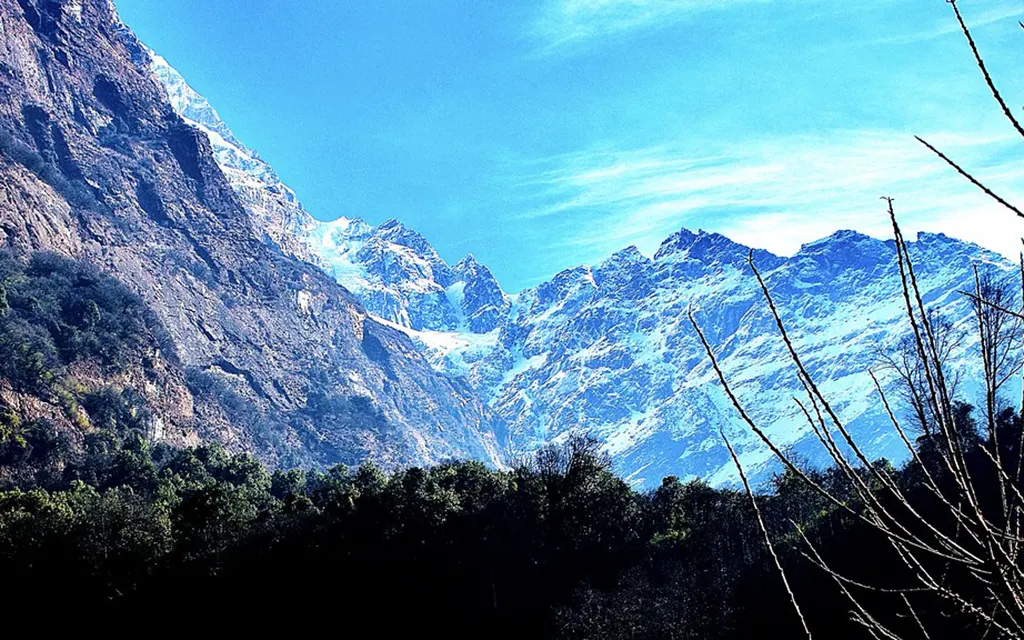
As trekkers get closer to the lake, the valley widens into a dramatic landscape of mountains. The clear blue water, rocks and the glaciers surrounding the area provide a picturesque landscape, out of the way from all the hectic trek routes.
Local Culture and Community
The inhabitants of the surrounding area of Kapuche Lake Trek are predominantly Gurung. Their traditions, hospitality and cultural heritage make an important part of the trekking experience.
There are also smaller tea houses where one can stay overnight, many of which are run by families. The food served is from locally sourced ingredients and guests are likely to eat locally produced Dal Bhat, noodles, soups, potatoes and seasonal vegetables.
The travellers can also discover local agriculture, traditional architecture and community life. Local customs, respect for modesty and asking permission before taking photos of people will help to establish positive interactions with residents.
Tourism offers extra income to many families and helps to ensure that local traditions are maintained.
Accommodation and Food
On the way to Kapuche Lake Nepal, basic teahouses and community lodges are the primary accommodations available. Rooms are simple and generally clean and comfortable for a short hike.
The majority of teahouses offer twin-sharing rooms that have shared bathrooms. Seasonal and water supply dependent, some may offer hot showers for an extra fee.
Foods are as found in many Nepal trekking routes. The most familiar meal is Dal Bhat whichis eaten for energy during long walks. Simple snacks, tea, coffee and fried rice, noodles, pasta and eggs are also popular options.
Service is improving with each passing year, with electricity and cell phone service available, albeit with limited coverage in the higher portions of the trail.
Wildlife and Natural Environment
The Kapuche Lake Trek is part of the Annapurna Conservation Area that safeguards numerous plant and animal species.
The trekker can expect to spot Himalayan birds, monkeys, colorful butterflies and various forest wildlife on the trek. The forests are rich in their variety of vegetation, particularly in the spring when rhododendrons cover the hills.
The water in the lake is supplied by the glaciers in the vicinity. The lake, like many of the lakes in the Himalayas, has a seasonal variation in its appearance as it changes throughout the seasons due to the melting of the snow and the weather.
Leave No Trace Principles are encouraged throughout the trip, including carrying reusable water bottles, not littering and respecting wildlife habitats.
Permits Required
Those intending to visit Kapuche Glacier Lake are advised to get the necessary trekking permits before setting off.
The Annapurna Conservation Area Permit (ACAP) is necessary because the trail travels through the conservation area. Trekkers are usually not obliged to carry a TIMS (Trekkers’ Information Management System) card while being guided by a registered licensed guide under the existing trekking management system; however, this may vary depending on the specific conditions of an independent permit. Before travelling, always check up on the new regulations.
The majority of the trekking agencies can get the permits necessary for the trekking packages.
Helpful Trekking Tips
The first step to a successful Kapuche Lake Nepal trip is preparation. Every backpack should include comfortable trekking boots, multiple layers, rain gear, sun cream, sunglasses and a water bottle.
While the hike is fairly short, the weather in the mountains can turn rapidly. A warm jacket is suggested even in the spring and fall.
Preparing for the day’s walk in the morning will give you plenty of time to get to the next place before the weather changes midday. One more great idea is to hire a local guide for visitors to learn more about the local culture, history and natural environment and to contribute to the local economy.
Conclusion
The Trek to Kapuche Lake is a refreshing alternative to the overcrowded treks of Nepal. Visitors can walk through the traditional villages, peaceful forests and beautiful mountain landscapes in just a few days, arriving at a clear glacier lake surrounded by the beauty of the Himalaya mountains.
It is not as high or as long as other routes and has become more popular because it is easier to access, so it is ideal for many people interested in a good trekking experience but not incurring the same strenuous effort as other routes. Meanwhile, the route maintains its tranquil ambiance and rich local culture.
Nepal is known for its towering mountains, famous trekking routes and beautiful alpine lakes. Many travelers go to popular places such as Everest Base Camp, Annapurna Base Camp,...
8 Days
Easy
US$
900
If you’re looking for a different area of Nepal, where you’ll see nature, village life and mountain beauty in a more laid-back way, then Kapuche Lake is a great destination to consider if you’re planning a trip beyond the popular trails. This secret glacier lake is sure to continue to captivate visitors for years to come with its responsible travel practices and its respect for local communities.