


Booking open: Secure your trip early for the seasons 2026 & 2027
Ghandruk to Ghorepani Trek Time: How Long Does It Take and What to Expect on the Trail.?
08 June 2026
By admin

Introduction
The Ghandruk to Ghorepani trip is one of the most exciting short hikes, combining nature, culture, and mountains. This trekking trail is located in the Annapurna region of Nepal, and it connects two charming villages via peaceful forests, traditional Gurung settlements, and other beautiful landscapes, thereby making it a unique trip.
Many travelers combine Ghandruk and Ghorepani in the Annapurna region because of the mix of rich culture, natural beauty, warm hospitality of the locals, and breathtaking Himalayas without the need for long hours of trekking, unlike other routes like EBC and ABC. Besides this, it is also a popular section of the Poon Hill Trek excursion.
Likewise, the journey from Ghandruk to Ghorepani usually takes 6 to 8 hours, covering an approximate distance of around 12 to 15 kilometers, depending on the walking speed, fitness level, and the number of breaks you take. This Ghandruk to Ghorepani Trek Time guide will equip you with everything you need to know before you take off, such as distance, hiking time, route choices, difficulty, sights, and useful tips for having a great time on the trek without any regret.
Ghandruk to Ghorepani Trek Overview
Where Are Ghandruk and Ghorepani Located?
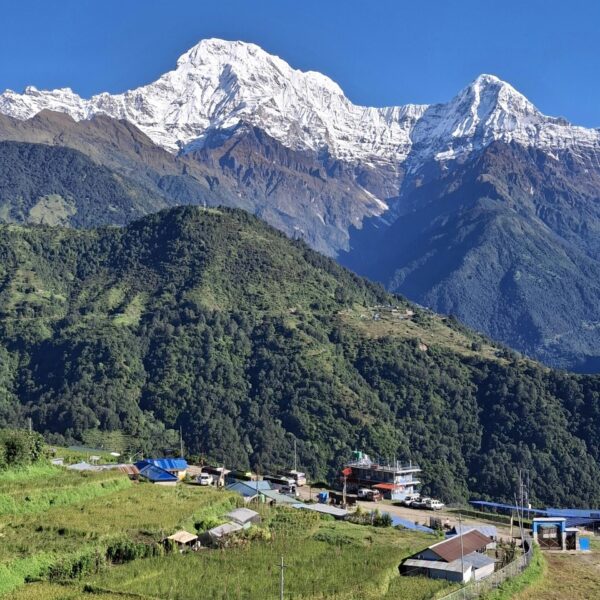
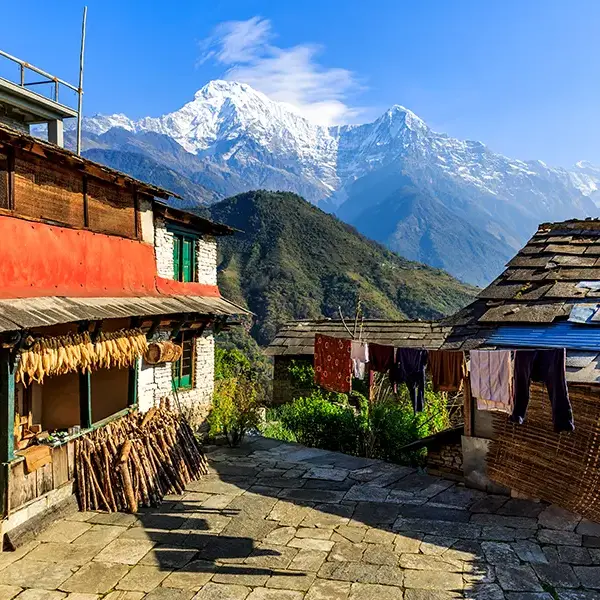
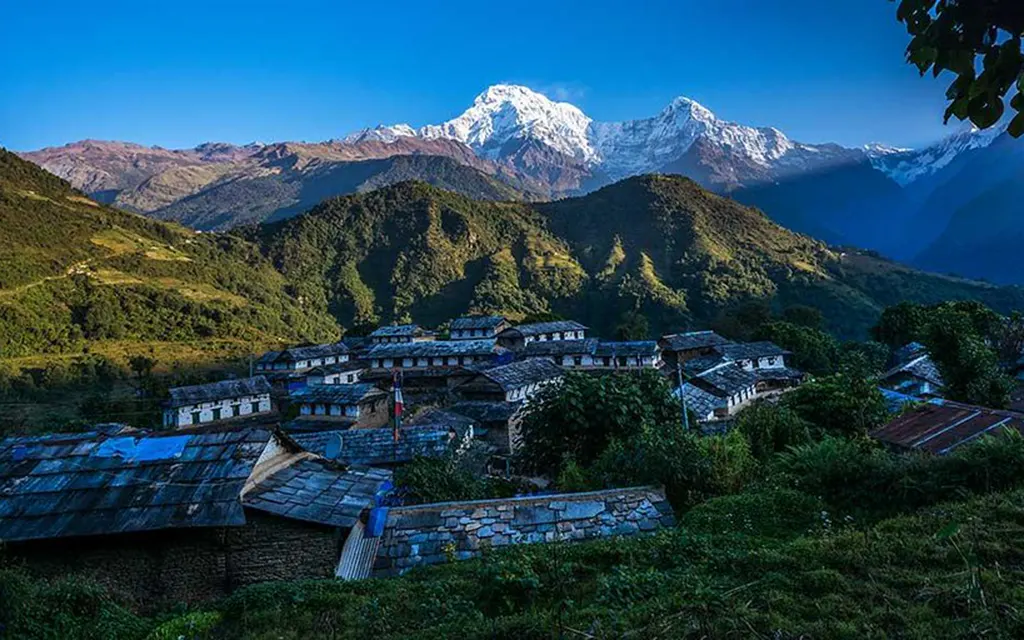
Ghandruk is a stunning place in the Kaski district of Nepal at the height of 1,940 meters. This Himalayan village is famous for the stone-paved streets, the traditional sights, and the panoramas of some of the most beautiful peaks, such as Machhapuchhre and Annapurna South. From Pokhara, it is a matter of taking a jeep for some time and then doing a short walk to get there.
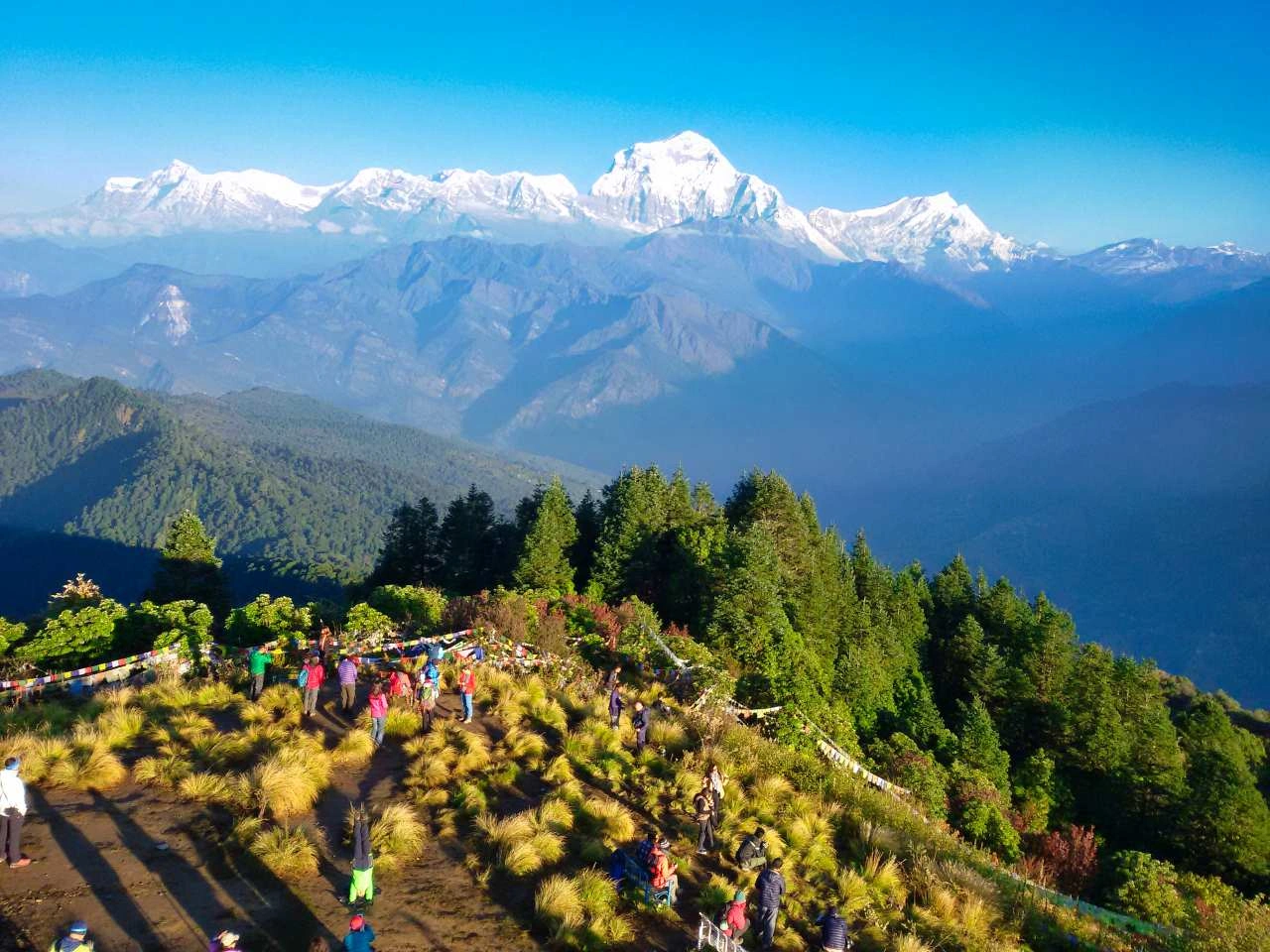
Likewise, Ghorepani is also a popular mountain village in the Annapurna region, sitting at an altitude of 2,874 meters, which is also the highest point of the trek. It is also the main starting point of the Poon Hill viewpoint, where trekkers can enjoy a breathtaking sunrise over the Himalayas, such as Annapurna and the Dhaulagiri mountain ranges. Both Ghandruk and Ghorepani villages fall within the Annapurna Conservation Area, Nepal’s largest protected area.
Recommended Trip
Introduction The Ghandruk to Ghorepani trip is one of the most exciting short hikes, combining nature, culture, and mountains. This trekking trail is located in the Annapurna region of Nepal, and it connects two charming…
 8 Days
Why This Route Is Popular
The Ghandruk to Ghorepani trek route is popular because visitors get to witness the combination of peaceful rhododendron forests, rich Gurung culture, and mind-boggling snow-draped mountain vistas in a relatively short trek. Apart from this, the trail is easy to access and suitable for any trekkers, from beginners to experienced ones.
Quick Facts Table
| Detail | Information |
| Starting Point | Ghandruk |
| Ending Point | Ghorepani |
| Distance | Approx. 12 to 15 km |
| Highest Point | Ghorepani (2,874 meters) |
| Average Trek Time | 6 to 8 Hours |
How Long Does It Take to Trek from Ghandruk to Ghorepani?
If you have decent physical fitness, the Ghandruk to Ghorepani trek time can be about 6 to 8 hours at a steady pace with regular breaks. If you are lighter on your feet and blessed with good weather, you can even finish the trek closer to 5.5 hours. However, group trekkers may stop frequently to catch their breath or take photographs, or some walk without rush, as not all of them have the same mindset to do the same thing, so different interests can take up to 8 to 9 hours.
Time Breakdown by Route Section
Ghandruk to Tadapani: As you start your trek from Ghandruk, you will steadily walk past forests and terraced pasturelands before trekking upward toward Tadapani. It can take around 3 to 4 hours due to the challenging start to reach Tadapani, as you will walk through numerous stone staircases.
Tadapani to Deurali: This is the middle part of the trail from the Ghandruk to Ghorepani Trek, as trekkers will walk through dense rhododendron and oak forests. There are also wooden bridges on the way to cross small streams. The walking time here is about 1.5 to 2 hours.
Deurali to Ghorepani: It’s the last part of the journey; you have to climb back to Ghorepani after descending from Deurali. In around 2 to 3 hours, you will reach Ghorepani, where you can witness colorful lodges clustered on the ridge and backdrop views of mountains.
Factors Affecting Trekking Time
- Physical fitness: It is the biggest variable that affects trekking time. Those who are physically fit can maintain a faster pace with fewer stops compared to those who rarely exercise.
- Age and experience: Those people who are young and those who have previous experience can finish the trek faster.
- Trail conditions: If the trail is dry and normal, the routes can be easy to navigate. If the paths are wet or snow-covered, it will take even longer.
- Seasonal weather: If you stop for too many sightseeing times, meals and photography in your way between Ghandruk and Ghorepani then it may take hours longer.
- Number of breaks: Taking too many breaks for sightseeing, meals, and photography can add more hours to the Ghandruk to Ghorepani Trek Time.
Distance from Ghandruk to Ghorepani
Total Trekking Distance
The total trekking distance from Ghandruk to Ghorepani via the Tadapani route is roughly 12 to 15 kilometers, depending on side trips and the exact starting point in Ghandruk Village. Even on this short hiking trip, there will be gradual elevation gain and loss throughout the journey.
Elevation Profile
| Location | Elevation |
| Ghandruk | 1,940 m |
| Tadapani | 2,630 m |
| Deurali | 3,090 m |
| Ghorepani | 2,874 m |
What to Expect on the Trail
Traditional Villages
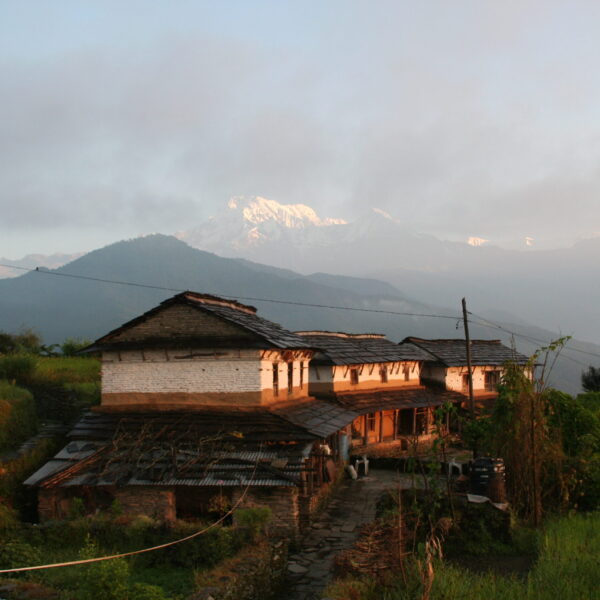
One of the best things that you can expect on this Ghandruk to Ghorepani trek is the traditional villages. You will visit Ghandruk, which is also like a living museum of Gurung culture. Similarly, there are several villages between Ghandruk and Ghorepani with small tea houses along the route, offering perfect rest stops and genuine hospitality.
Forest Trails
Another highlight of this fantastic journey is the rhododendron forests. From March to May, these forests explode in deep reds, pinks, and whites, creating a color spectacle that feels almost unreal. Similarly, you will see oak and bamboo forests while walking on the trail.
Mountain Views
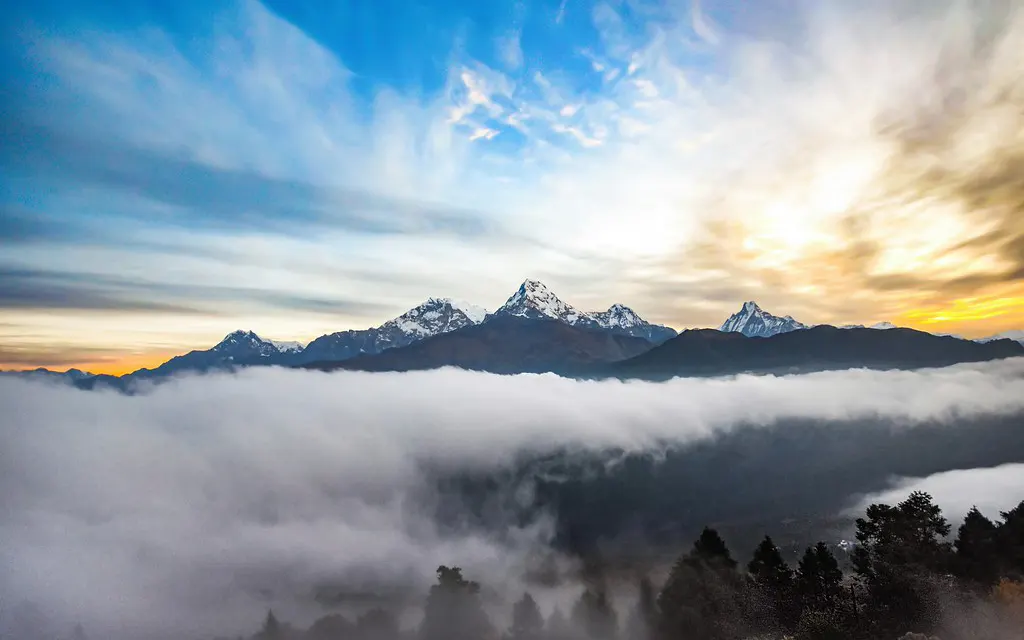
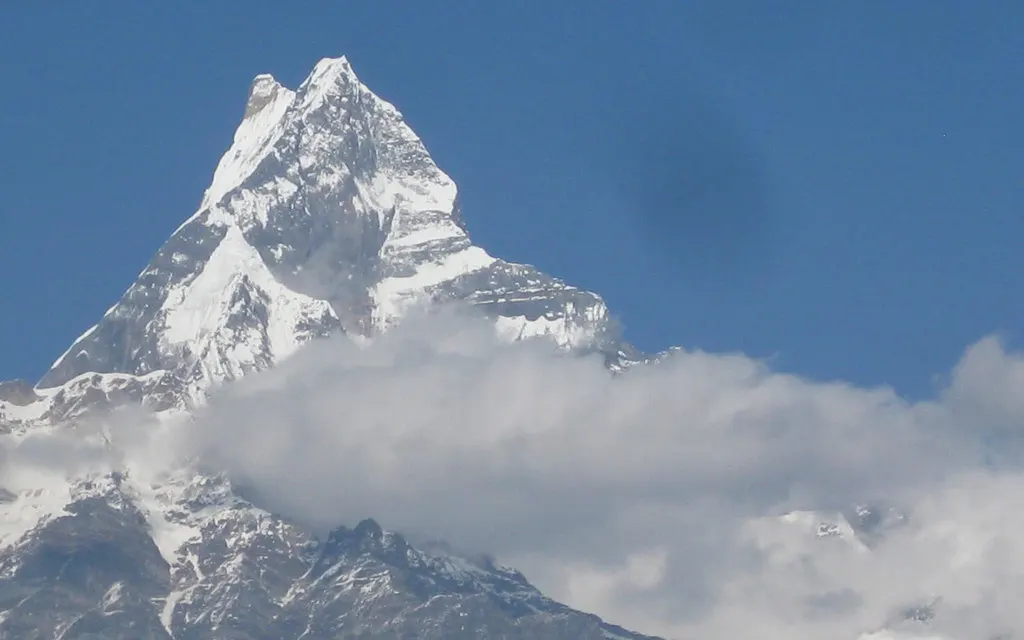
If you are trekking in the spring and autumn seasons, you will see the finest mountain panoramas while trekking on the trail. Some of the mountains you can enjoy are Annapurna South, Hiunchuli, Fishtail, and the Dhaulagiri range on this short journey from the Ghandruk to Ghorepani trek.
Recommended Trip
Introduction The Ghandruk to Ghorepani trip is one of the most exciting short hikes, combining nature, culture, and mountains. This trekking trail is located in the Annapurna region of Nepal, and it connects two charming…
8 Days
Wildlife You May Encounter
If you are lucky enough, you can spot wildlife, like the Himalayan Monal, langurs, musk deer, and other various bird species. If you are a birdwatcher, then this trek will be worth your time, making your day unforgettable.
Route Difficulty and Trail Conditions
Is this trek Difficult?
The Ghandruk to Ghorepani trek is a moderate level hiking. So, anyone, including a beginner with a good level of fitness, can embark on this journey. But still, there are uphill sections and many stone steps that make the trek difficult. So, it is best to come prepared before starting the trek.
Major Challenges
One of the major challenges trekkers face is long stretches of stone steps, which can make their knees give out during both ascent and descent. Similarly, the route will take you through a steady uphill climb, making you out of breath. Besides this, during the rainy season, the paths become slippery, and you will see leeches crawling. Moreover, the trail can be covered with snow around Deurali and Ghorepani during the wintertime.
How to Prepare
You can simply prepare for the Ghandruk to Ghorepani trek by walking regularly, especially on stairs on small hills, for at least a month. To trek comfortably, you should wear trekking shoes and use trekking poles if you need extra support for your knees. If you maintain a constant pace and hydrate well during the trek, you will surely minimize the chances of trouble.
Best Time to Trek from Ghandruk to Ghorepani
Spring (March–May)
Spring happens to be the favorite traveling season of many for the Ghandruk to Ghorepani route. The forest is loaded with rhododendron flowers, and the weather is just right for getting out and soaking in the nature and the mountain views.
Autumn (September–November)
Another best time for the Ghandruk to Ghorepani trek is autumn. The post-monsoon air is crystal-clear, providing a clear view of the Alps. The weather is mostly stable for the whole day, making the trekking journey enjoyable.
Winter (December–February)
There are fewer people around this season as the cold weather is a natural deterrent; this results in a quiet, leisurely experience. Also, since the trail might be covered in snow, one must take extra precautions when walking in the winter time.
Monsoon (June–August)
The monsoon season offers a vivid green landscape, but the trade-off is real: leeches, slippery trails, and limited mountain views due to cloud cover. So, first-time trekkers should avoid this season.
Seasonal Comparison Table
| Season | Visibility | Temperature | Crowds |
| Spring | Excellent | Mild | Moderate |
| Autumn | Excellent | Mild | High |
| Winter | Good | Cold | Low |
| Monsoon | Variable | Warm | Low |
Accommodation and Food Along the Route
If you are embarking on the Ghandruk to Ghorepani trek journey, you will find Tadapani and Deurali, the most common stops. Teahouses between Ghandruk and Ghorepani offer simple rooms, hot showers, and shared bathrooms. Some may even charge you an additional price for the extra services.
During the trek, you can stop at teahouses where most of them serve dal bhat as a filling meal. They also serve other dishes like fried rice, noodles, pancakes, honey tea, bread, and many more. You can allocate around an NPR 600 to 1500 per night budget for a room and NPR 300 to 1000 per meal. The costs of both accommodation and food can increase as you go to higher destinations.
Suggested Itineraries
Option 1: One-Day Trek
Ghandruk → Tadapani → Ghorepani
This is doable for fit, experienced hikers who start early (ideally by 7am) and keep a steady pace. It’s a long day but enormously rewarding — especially if you arrive in Ghorepani in time for a sunset view before the next morning’s Poon Hill climb.
Option 2: Two-Day Trek
Day 1: Ghandruk to Tadapani: On the first day, you will trek to Tadapani, which you will reach by lunchtime in 3 to 4 hours.
Day 2: Tadapani to Ghorepani: On the second day, you will begin the trek in the morning and continue toward Ghorepani at an ideal pace. This itinerary is best for beginners and anyone who wants to travel in a relaxed way, enjoying the day to the fullest.
Option 3: Extended Poon Hill Trek:
Add an extra morning for the sunrise hike to Poon Hill (3,210m), departing at 4:30–5 am from Ghorepani. The 360-degree panorama of Dhaulagiri, the Annapurna Range, and Machhapuchhre at sunrise is one of the genuinely unmissable experiences in all of Nepal. Don’t leave without it.
Essential Trekking Tips
The best way to do a trek is to start early. You can at least carry 2 liters of water and refill at teahouses if needed. Going a step further, pack the most necessary clothes according to the weather forecast. At the same time, take a sufficient amount of cash in Nepalese currency with you to cover your expenses during the trek since there are no ATMs on the trekking route. Furthermore, you may also get a guide to assist you with the map reading and details. Finally, you should respect local culture and people to make your trek even more memorable.
Recommended Trip
Poon Hill Chhomrong Village Trek
Introduction The Ghandruk to Ghorepani trip is one of the most exciting short hikes, combining nature, culture, and mountains. This trekking trail is located in the Annapurna region of Nepal, and it connects two charming…
8 Days
Conclusion
The Ghandruk to Ghorepani trek time is one of the thrilling short trekking excursions in the Annapurna region, offering the best combo of nature and culture. The typical trekking hour is about 6 to 8 hours, depending on the pace and weather. During the trek, you will get a chance to visit traditional villages and forests, simultaneously witnessing the beautiful mountain scenery. What makes this trek most exceptional is that it caters to beginners as well as seasoned trekkers.
FAQs
- Can I trek from Ghandruk to Ghorepani in one day?
Of course, fit trekkers who begin early could finish the trek within a day; however, choosing a two-day pace is more pleasurable and laid-back.
- Do I need a guide for the trek?
A guide is not compulsory but is highly recommended — particularly for first-time trekkers or during low-visibility seasons.
- Is the trail suitable during the monsoon season?
It can be done, but leeches and slippery trails are significant drawbacks. Experienced trekkers are better equipped to handle monsoon conditions.
- What mountains can I see on the route?
If the sky is clear, you will be able to see many mountains with Annapurna South, Hiunchuli, Machhapuchhre (Fishtail), and the Dhaulagiri Range among them.
- Can I combine this trek with Poon Hill?
Absolutely, and it’s strongly recommended. A short pre-dawn hike from Ghorepani to Poon Hill (3,210m) rewards you with one of the finest sunrise panoramas in Nepal.
Table of Contents
- Introduction
- Ghandruk to Ghorepani Trek Overview
- Quick Facts Table
- How Long Does It Take to Trek from Ghandruk to Ghorepani?
- Time Breakdown by Route Section
- Factors Affecting Trekking Time
- Distance from Ghandruk to Ghorepani
- What to Expect on the Trail
- Route Difficulty and Trail Conditions
- Best Time to Trek from Ghandruk to Ghorepani
- Suggested Itineraries
- Essential Trekking Tips
- Conclusion
- FAQs