

Booking open: Secure your trip early for the seasons 2026 & 2027


Everest Three High Pass Trek

Quick facts about Everest Three High Pass Trek

Duration
16 Days

Trip Grade
Difficult

Maximum Altitude
5420m

Group Size
2 - 25 Pax

Starts
Fly Out Kathmandu to Lukla

Ends
fly in Kathmandu from Lukla

Accomodation
Tea House/ Hotel

Best Time
Autumn, Spring


Trip Overview
The Everest Three High Passes Trekking route is one of the most rewarding adventures in the Nepal Himalayas. It is tailored for those trekkers who wish to go beyond the well-trodden route to Everest Base Camp to experience some of the most beautiful mountain landscapes in the Khumbu region. On the way you will pass by three high mountain passes, you will reach Everest Base Camp, you will do the trek to Kala Patthar and you will experience the tranquility of the Gokyo Valley. Each day offers a unique experience, ranging from the traditional Sherpa villages to the glaciers, alpine valleys and snow-topped peaks.
The route is well planned and gradually ascends so as to give time to acclimatise properly. It starts with a beautiful flight to Lukla (2860m / 9383ft) and then goes through villages like Phakding, Namche Bazaar, Tengboche, Dingboche and Chhukung. You will also have a chance to experience Sherpa culture, visit the ancient monasteries, cross the suspension bridges and walk through the Sagarmatha National Park, which has a unique mountain environment and wildlife and is a UNESCO World Heritage Site.
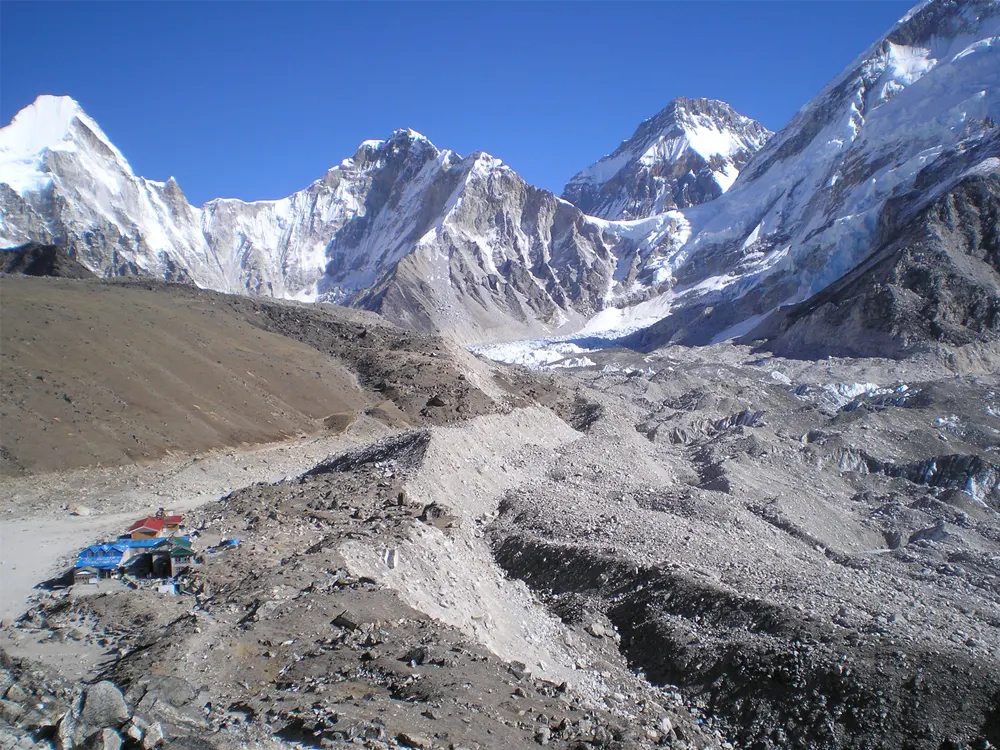
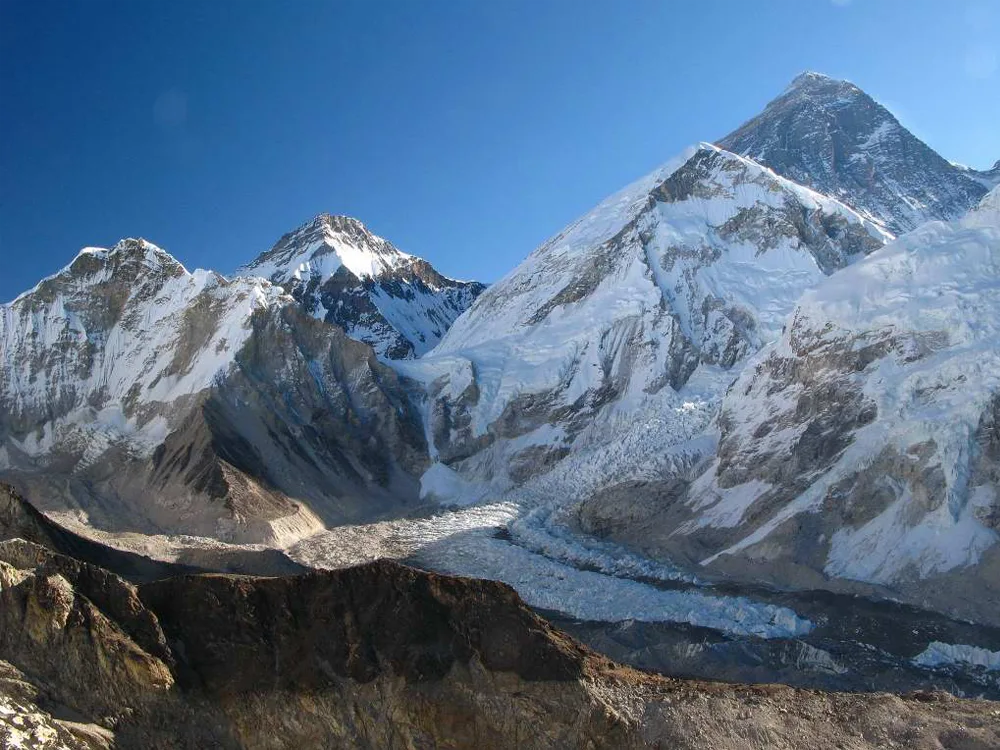
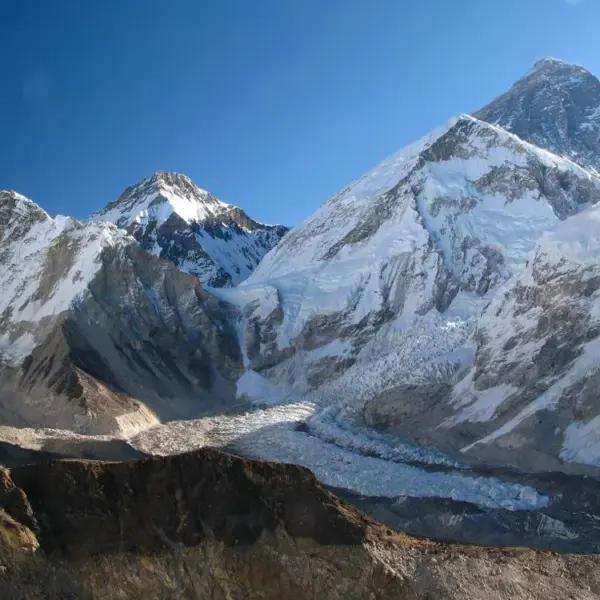
The Everest Three Passes Trek is famous for crossing Kongma La Pass (5,535 m / 18,160 ft), Cho La Pass (5,420 m / 17,782 ft) and Renjo La Pass (5,360 m / 17,585 ft). The high mountain crossings offer excellent views of Mount Everest, Lhotse, Nuptse, Makalu, Cho Oyu, Ama Dablam and lots more of the mountain peaks. One of the highlights on the route is also the early morning trek to Kala Patthar (5545m / 18,192 ft), regarded by many as one of the best views in the Everest region and a visit to Everest Base Camp (5364m / 17,598 ft).
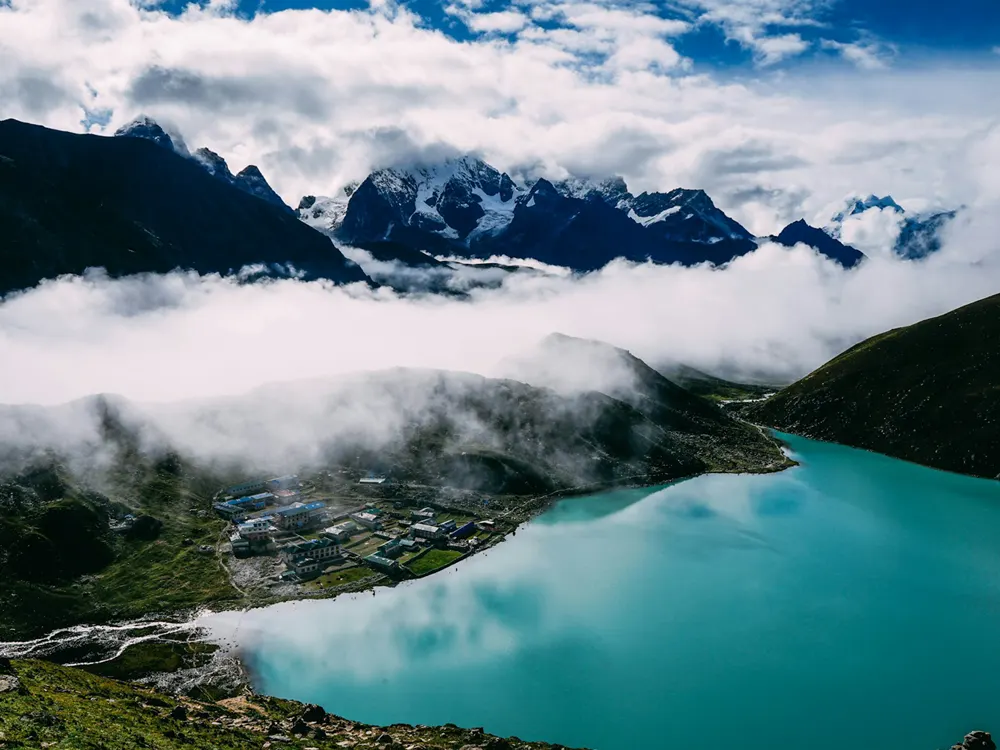
The Everest High Passes Trek Itinerary also visits the picturesque Gokyo Valley, with its tranquil mountain surroundings and turquoise glacial lakes. This part of the route is not as crowded as the route to Everest Base Camp, however and gives another view of the Himalayas. This hike takes you through remote valleys, high passes and iconic viewpoints, making it an all-round Everest experience.
This trek is suited for hikers who can hike long days and are physically fit and have a cheerful disposition. A safe and enjoyable adventure is achieved through proper acclimatization, experienced guides and careful planning. For a truly memorable journey to the Himalayas, you can expect the assistance of experienced local guides, reliable logistics and dedicated support from Himalayan Idol Adventure, ensuring you make the most out of every moment.
Route Overview
The Everest Three High Passes Trekking route starts from Kathmandu or Ramechhap and flies to Lukla (2,860 m / 9383 ft) in a scenic flight. The trail then crosses the Dudh Koshi River, passes through Phakding and reaches the large trading centre of Namche Bazaar (3,440 m / 11,286 ft) in the Khumbu region. The trek then goes through Tengboche, Dingboche and Chhukung before crossing the Kongma La Pass (5,535 m / 18,160 ft), which is the highest of the three passes.
The journey then reaches Lobuche, Everest Base Camp (5,364 m / 17,598 ft) and Kala Patthar (5,545 m / 18,192 ft). In the end, the trail passes through Cho La Pass (5,420 m / 17,782 ft) to enter the scenic Gokyo valley and then an ascent to Gokyo Ri (5,357 m / 17,575 ft). The last one is the Renjo La Pass (5360m / 17585ft) and then a descent through Lungdeng and Thame to Namche Bazaar and Lukla for the flight back to Kathmandu.
- Owner operated
- Price match guaranteed
- Tailored made trip
- Secured online payment
No. of Persons
Price per Person
-
1 -
2 people
US$ 1700
-
3 -
8 people
US$ 1550
-
9 -
12 people
US$ 1450
-
13 + people
9999
US$ 1350

Trip Highlights
- Cross the 3 famous passes Kongma La, Cho La and Renjo La
- Walk with others to stand beside the Khumbu Icefall at Base Camp, Everest.
- Watch the Sunrise over Mount Everest from Kala Patthar.
- Get a bird’s-eye view of the mountains from Gokyo Ri.
- Explore the tranquil turquoise colored Gokyo Lakes and Ngozumpa Glacier.
- Be welcomed with warm hospitality and experience the unique culture of the traditional Sherpa villages.
- Go on a visit to Tengboche Monastery, the largest and most important monastery in the Everest region.
- Hike in Sagarmatha National Park surrounded by forests, rivers, suspension bridges and animals of the mountains.
- Enjoy amazing views of Everest, Lhotse, Makalu, Cho Oyu, Ama Dablam, Nuptse and many other peaks of the Himalayas.
- Experience the best of Everest Circuit climbing Everest Base Camp, Gokyo Valley, Kala Patthar and the Three High Passes in one trip to Nepal.

Detail Itinerary
Day 01: Flight to Lukla (2,860 m / 9,383 ft) and Trek to Phakding (2,640 m / 8,661 ft)
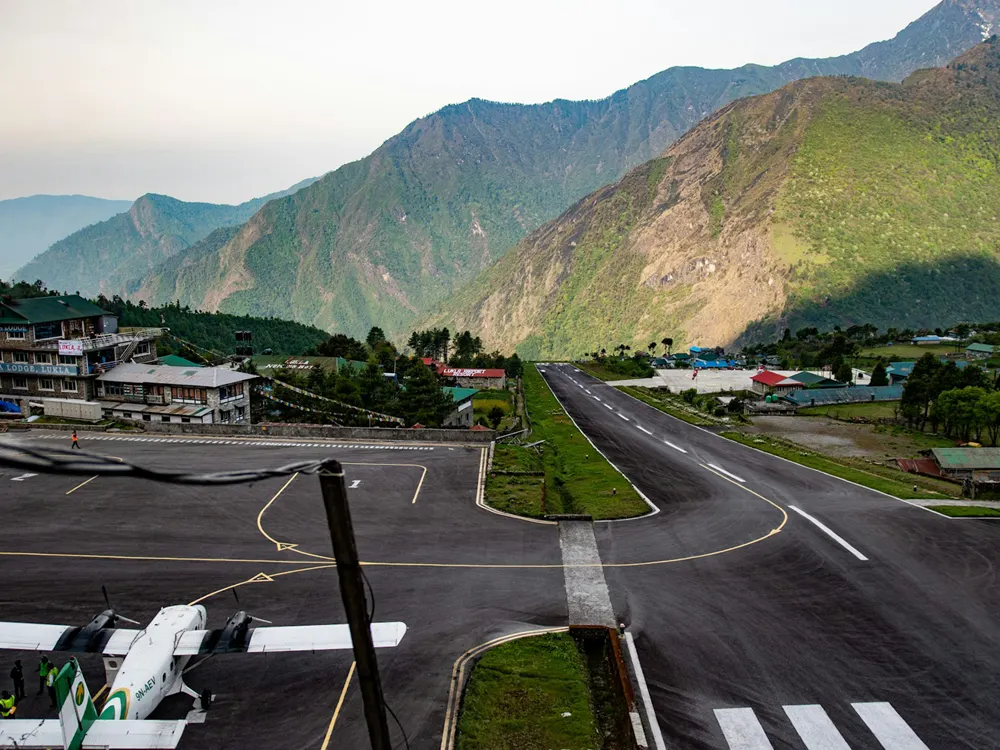
Leave Kathmandu or Ramechhap early in the morning to fly up to Lukla, one of the world’s most thrilling mountain airports. As you fly, you can see green hills, deep valleys and snow-covered peaks of the Himalayas. You will arrive at Lukla (2860m / 9383ft), where you will be met by your trekking team and make the final preparations before you begin your trek.
It is a downhill walk passing through wonderful forests and through traditional Sherpa villages. The walk will go through these prayer wheels, mani walls and colorful prayer flags, representing the local Buddhist culture, at Chheplung and Ghat. The Dudh Koshi River is present along the path, providing a serene ambiance throughout the walk.
The next easy, but lengthy (some three hours) trek brings you to the peaceful village of Phakding (2,640m / 8,661ft). This is a laidback first day to acclimatise your body before the higher areas of the climb.

Activity: 35 minutes Flight, Trek: 3 hours

Accommodation: Lodge

Meal: Breakfast, Lunch, Dinner

Max Altitude: 2,860m/9,383ft. (Phakding )
Day 02: Trek from Phakding to Namche Bazaar (3,440 m / 11,286 ft)
After breakfast, today’s walk takes you along the Dudh Koshi River through the beautiful pine forests and various small Sherpa villages. There are several suspension bridges to cross and we can’t leave this one out: the Hillary Bridge, a suspension bridge that is high above the river and decorated with colourful prayer flags of colour.
The trail starts in the Sagarmatha National Park at Monjo, where permit checks are conducted before it plummets deeper into the Everest region. The trail then steadily ascends through forests of rhododendron and pine trees. The views of the mountain get even better as you ascend.
The last ascent to Namche Bazaar (3440m/11286ft) is the toughest part of the day. On clear days you might see Mount Everest, Lhotse and other surrounding peaks. Namche is the main trading centre of the Khumbu region and there are comfortable lodges, bakeries, cafes and shops.
Activity: 6 to 7 hours Trek
Accommodation: Lodge
Meal: Breakfast, Lunch, Dinner
Max Altitude: 3,440m/11,286ft. (Namche Bazaar )
Day 03: Acclimatization Day in Namche Bazaar
This is a very important acclimatisation day for the body to get used to the higher altitude. Instead of sleeping for the whole day, you will have a short walk to higher altitudes before heading back to Namche Bazaar (3,440 m / 11,286 ft) to sleep. This follows the recommended principle of climbing high and sleeping low.
The hike passes through Syangboche to the highest hotel in the world called Everest View Hotel (3880m / 12730 ft). Here you will have an unobstructed view of Mount Everest, Ama Dablam, Lhotse and Thamserku. However, if time permits, you can visit Khumjung village, where you can see the historic monastery and Hillary School.
In the afternoon in Namche, you are free to relax, visit local cafes, explore the market, or prepare for the higher part of your trek.
Activity: 4 to 5 hours Acclimatization Hike
Accommodation: Lodge
Meal: Breakfast, Lunch, Dinner
Max Altitude: 3,880m/12,730ft. (Namche Bazaar)
Day 04: Trek to Tengboche (3,860 m / 12,664 ft)
From Namche Bazaar, the trail winds a picturesque ridge with a wide view of Everest, Ama Dablam, Lhotse, Nuptse, etc. The trail is relatively easy going until it leads down through forest to the riverside settlement where numerous trekkers pause for lunch, called Phunki Tenga.
This leads to an uninterrupted ascent through forested pine, fir and rhododendron after crossing the Dudh Koshi River. The ascent is steep, but rewarding for the stunning views.
You will reach the peaceful village of Tengboche (3860 m / 12664 ft), where you will find the biggest and the most important monastery in the Everest region. If it is an appropriate time, you can visit the evening prayer ceremony, where monks come together to chant Buddhist songs in a peaceful and spiritual setting.
Activity: 5 hours
Accommodation: Teahouse
Meal: Breakfast, Lunch, Dinner
Max Altitude: 3,860m/12,664ft. (Tengboche)
Day 05: Trek to Dingboche (4,410 m / 14,469 ft)
The day starts with a pleasant turn down into forest to Debuche and then a suspension bridge crossing over the Imja Khola. The trail then ascends slowly towards Pangboche (3985m / 13074ft), one of the oldest Sherpa villages in the Khumbu area. There is time to make a detour to the monastery of the village.
The trees get fewer and the terrain becomes an open alpine valley as we climb higher. The view to the mountains remains good with Ama Dablam dominating the valley. Small fields are surrounded by stone walls, which act as a windbreak against strong mountain winds to protect potatoes and barley.
In the afternoon you will arrive in Dingboche (4.410 m / 14.469 ft), a quiet village that is surrounded by high peaks. The wonderful setting makes this a great spot to stop before heading to even higher altitudes!
Activity: 5 hours Trek
Accommodation: Teahouse
Meal: Breakfast, Lunch, Dinner
Max Altitude: 4,410m/14,469ft. (Dingboche)
Day 06: Acclimatization Day in Dingboche
One acclimatization day to help acclimate to even higher elevations. Rather than make the day at the lodge, you will go for a walk up to a higher point and then come back down to Dingboche (4,410 m / 14,469 ft) for the night. This will allow you to acclimatize gradually and avoid any chance of altitude sickness before the tough times that lie ahead.
The most popular trail is the one to the Nagarjun Hill (5,100 m / 16,732 ft), which lies above the village. It’s steep but offers great views of Makalu, Lhotse, Ama Dablam, Island Peak and the vast Imja Valley. On the way you can also catch sight of the yaks’ caravans and grazing animals.
Then it’s back to Dingboche where you spend the afternoon resting, drinking water and packing your bags for the trip to Chhukung and the high passes.
Activity: 4 to 5 hours
Accommodation: Breakfast, Lunch, Dinner
Meal: Breakfast, Lunch, Dinner
Max Altitude: 5,100m/16,732ft. (Dingboche)
Day 07: Trek to Chhukung (4,730 m / 15,518 ft)
The walk today is not as long, but you will continue to gain altitude at a comfortable pace. The trail climbs out of Dingboche, passes through a wide alpine area with very little vegetation, to reach the Imja Valley. As you venture further into the valley, the mountain view grows more dramatic.
This trek has breathtaking scenery of Ama Dablam, Lhotse, Nuptse and the sheer wall of the South face of Lhotse. The trail is in a true high Himalayan environment, with glaciers and rocky slopes surrounding it. It’s a gradual increase, which makes it fun and allows your body to adapt.
Arrive at Chhukung, another small village, which is the home of trekkers and climbers prior to the trek to Island Peak and other high passes, by early afternoon. The rest of the day is available to relax and get ready for the tough Kongma La Pass crossing.
Activity: 3 hours
Accommodation: Breakfast, Lunch, Dinner
Meal: Breakfast, Lunch, Dinner
Max Altitude: 4,730m/15,518ft. (Chhukung)
Day 08: Cross Kongma La Pass (5,535 m / 18,160 ft) and Trek to Lobuche (4,940 m / 16,207 ft)
This is one of the busiest days of the hike and it is recommended to start early in the morning. The path is steep and rocky, heading towards Kongma La Pass (5,535 m / 18,160 ft), the highest of the three passes. Some sections of the trail may be snow- or ice-covered and it is important to walk carefully.
From the top of the pass you can see the Nuptse, Makalu, Lhotse, the Khumbu Glacier and other peaks in the Himalayas. The trail meanders around for a while at the pass before dropping onto rocky glacial terrain, where it joins the main Everest Base Camp track.
The end of the trek arrives in Lobuche (4,940 m / 16,207 ft), a small town next to the Khumbu Glacier. At the lodge, you will be able to unwind from your day in the mountains and get ready for the next day to visit Everest Base Camp.
Activity: 6 to 7 hours
Accommodation: lodge
Meal: Breakfast, Lunch, Dinner
Max Altitude: 5,535m/18,159ft. (Lobuche)
Day 09: Trek to Everest Base Camp (5,364 m / 17,598 ft) and Return to Gorakshep (5,164 m / 16,942 ft)
The next stop on today’s trek is the famous Everest Base Camp (5,364 m / 17,598 ft), which is one of the highlights of the trek. The trail first heads along the rock track to Gorakshep, where you’ll drop off some items before moving on to the base camp by the Khumbu Glacier.
The trail runs over uneven rocks and glacial moraine and is gorgeous with views of surrounding mountains. In climbing season, in spring, the base camp is filled with colorful expedition tents as climbers are preparing for their ascent attempts. Being below the Khumbu Icefall is a memorable experience and it is an important achievement of your journey.
Following this, you are going to stay in Everest Base Camp before heading back to Gorakshep (5,164 m / 16,942 ft) overnight. Today is physically tough due to the high elevation, so rest is important after arriving at the lodge
Activity: 8 to 9 hours
Accommodation: lodge
Meal: Breakfast, Lunch, Dinner
Max Altitude: 5,364m/17,598ft. (Gorakshep)
Day 10: Climb Kala Patthar (5,545 m / 18,192 ft) and Trek to Dzongla (4,830 m / 15,846 ft)
The trek starts with a climb towards Kala Patthar (5545m / 18192ft), the highest point, before sunrise. The ascent is steep, but the top will reward you with one of the nearest views of Everest as well as Nuptse, Pumori and other peaks of the Himalayas. Rising above the mountains is a memorable sight to behold in the morning sun.
Once you have enjoyed the views, you will head down to Gorakshep for breakfast and then head on towards Dzongla. The trail is away from the hustle and bustle of Everest Base Camp and through the tranquil alpine valleys of impressive glacial scenery.
In the afternoon, you will reach the village of Dzongla (4830 m/15,846 ft), which is an unpretentious village. It’s a peaceful
Activity: 5 to 6 hours Trek
Accommodation: lodge
Meal: Breakfast, Lunch, Dinner
Max Altitude: 5,545m/18,192ft. (Dzongla)
Day 11: Cross Cho La Pass (5,420 m / 17,782 ft) to Thangnak (4,700 m / 15,420 ft)
A difficult day but also a very rewarding one today, when crossing Cho La Pass (5,420 m / 17,782 ft). The path starts the walk with a gentle ascent over rock faces and then heads into the sharper slopes towards the pass. The route may be partly snow-covered and icy in some parts of it, depending on the season, so care should be taken when footing the route.
The views from the top of the pass are great and one can see Cholatse, Lobuche East, Ama Dablam & other peaks in the surrounding area. There are prayer flags at the pass to show that you have crossed it and make it a nice time to take a break and enjoy your success before you switch gears for the descent.
The trail then goes down through the rocks to a little glacier and then enters the idyllic village of Thangnak (4,700 m / 15,420 ft). This is a peaceful village in the upper Gokyo Valley, with mountains surrounding it and a comfortable place to rest after the most challenging day of the trek.
Activity: 6 hours Trek
Accommodation: lodge
Meal: Breakfast, Lunch, Dinner
Max Altitude: 5,420m/17,782ft. (Thangnak)
Day 12: Trek to Gokyo (4,790 m / 15,715 ft
Following breakfast, you will depart from Thangnak and travel to the stunning Gokyo Valley. The path passes through the largest glacier of Nepal – Ngozumpa Glacier. This is a rocky moraine; stability is needed to walk over it, but the view is pleasant.
After crossing the glacier, the trail rises slightly, ascending towards the turquoise lakes which are the reason for Gokyo’s fame. The water is transparent, reflecting the surrounding mountains, giving one of the most restful landscapes in the Everest region. En route, you will be able to observe the sighting of one of the world’s highest mountains, Cho Oyu.
In the middle of the day you will arrive at the small village of Gokyo (4,790m / 15,715 ft), next to the third Gokyo Lake. The afternoon is free to relax, stroll around the lakeshore, or just take it easy in a quiet mountain scene before the hike to Gokyo Ri tomorrow.
Activity: 3 hours Trek
Accommodation: Teahouse
Meal: Breakfast, Lunch, Dinner
Max Altitude: 4,790m/15,715ft. (Gokyo)
Day 13: Climb Gokyo Ri (5,357 m / 17,575 ft) and Explore Gokyo
It’s an early morning trek to the top of Gokyo Ri (5,357 m / 17,575 ft) for one of the best vantage points in the Everest region. The route is steep, but at the summit you will have good views of Mount Everest, Lhotse, Makalu, Cho Oyu and numerous other peaks of the Himalayas. The Gokyo Lakes and Ngozumpa Glacier can also be seen running along the valley below.
At the top, take some time and then head back to Gokyo for breakfast. The rest of the day is easy and you will give your body a chance to recover before crossing the last high pass.
In the afternoon, you can enjoy the peace of the village, take your photos of the lakeshore, or enjoy the place. This is an excellent night’s sleep before embarking on the trip across Renjo La Pass.
Activity: 4 to 5 hours Acclimatization Hike
Accommodation: Teahouse
Meal: Breakfast, Lunch, Dinner
Max Altitude: 5,357m/17,575ft. (Gokyo)
Day 14: Cross Renjo La Pass (5,360 m / 17,585 ft) and Trek to Lungdeng (4,380 m / 14,370 ft)
It’s time to cross the last high pass of the trek, Renjo La Pass (5,360 m / 17,585 ft) today. It starts at daybreak with a gradual ascent through the rock fields. The views improve with each step higher: The Gokyo lakes are visible below and Everest, Lhotse, Makalu and Cho Oyu are visible across the horizon.
Once at the pass, you will enter the peaceful Bhote Koshi Valley on a long descent. The trail leads through open mountain areas, eventually coming down to lower regions where small shrubs and grazing yaks resurface.
At the remote village of Lungdeng (4380 m / 14370 ft), you will arrive in the afternoon. This is a quiet and tranquil settlement, much quieter than the main route heading towards the summit of Everest and is a good place to unwind after completing all three high passes.
Activity: 5 to 6 hours
Accommodation: Teahouse
Meal: Breakfast, Lunch, Dinner
Max Altitude: 5,360m/17,585ft. (Lungdeng)
Day 15: Trek to Namche Bazaar (3,440 m / 11,286 ft)
This is a long trail downhill through the traditional Sherpa villages and peaceful mountain landscape today. From Lungdeng you then pass Marlung and head towards the historic village of Thame, where there is a monastery and great mountain climbing. The trail takes you along the Bhote Koshi River then onto the main trail back to Namche.
Descending into the air, which is more oxygen-rich, will make the walk feel easier after several days at high altitude. Along the way you will walk past stone houses, prayer wheels, cultivated fields and forests and have a last chance to experience Sherpa culture.
Late afternoon, you will make your way back to Namche Bazaar (3,440 m / 11,286 ft). The lodges, cafes and shops are comfortable and a great spot to toast to completing the Three High Passes.
Activity: 7 hours Trek
Accommodation: lodge
Meal: Breakfast, Lunch, Dinner
Max Altitude: 4,380m/14,370ft. (Namche Bazaar )
Day 16: Trek to Lukla (2,860 m / 9,383 ft)
It’s the last day of trekking, heading back to Lukla. Following breakfast, the walk takes you through the forests and villages of the Khumbu region, passing many well-known villages including Monjo, Jorsalle, Phakding, Ghat and Chheplung. Before you climb up to Lukla, you cross several suspension bridges across the Dudh Koshi River.
This is the last opportunity to see the scenic beauty of the mountains, the scenic rivers and the traditional Sherpa villages. As you descend to lower elevations, you will find a change from the high alpine areas you had been travelling through to warmer air and denser forests.
At Lukla (2860m/9383ft), you can meet with your guide, porter and fellow trekkers to celebrate your successful completion of the Everest Three High Passes and Gokyo Trek. Spend the evening relaxing at the lodge and reflecting on the unforgettable journey through the Everest region.
Activity: 7 to 8 hours Trek
Accommodation: lodge
Meal: Breakfast, Lunch, Dinner
Max Altitude: 3,440m/11,286ft. (Lukla)
Day 17: Flight to Kathmandu
As the time is early morning, you fly from Lukla (2860m/9383ft) to Kathmandu or Ramechhap (your destination depends on the schedule and weather) and your adventure ends. The short flight is the last chance to enjoy the snow-clad Himalayan peaks, deep valleys and beautiful landscape from the air.
Once you have landed, our representative will take you to your hotel in Kathmandu. The rest of the day is at your disposal to rest, soak in a hot shower, take in the sights and get out there and enjoy the city’s cultural offerings! It’s also an opportunity to celebrate the successful completion of your trek and share your experiences with other trekkers.
Today you end your Everest Three High Passes and Gokyo Trek with great memories of high mountain passes, Sherpa culture, beautiful valleys, glaciers and the highest mountain region in the world!
Activity: 35 minutes Flight and Hotel Transfer
Meal: Breakfast
Max Altitude: 2,860m/9,383ft. (Kathmandu)
If our standard itinerary doesn't fully meet your needs, we are happy to tailor it to your specific preferences and requirements.
Trip Information of Everest Three High Pass Trek
How Difficult is the Trek?
Everest Three High Passes Trekking is one of the toughest treks in Nepal. The trail passes through three high passes over 5,000 metres and leads to some very remote areas with very limited facilities. Each day the trekker walks 5-8 hours; some days longer in passing the passes. Rocky paths, steep inclines, glacier travel and shifting weather make it difficult.
It’s useful to have done some trekking before but not essential if physically fit and well prepared. Walking slowly, allowing time to acclimatize and following your guide’s instructions greatly increase your chances of completing the trek safely. Himalayan Idol Adventure has professional guides who watch your condition all the way and assist you to get used to the high altitude. A successful trek requires good preparation, patience and determination.
Best Time to do this Trek: Month-by-Month Visibility & Weather Guide
The spring (March-May) and the autumn seasons (September-November) are the best for the Everest Three Passes Trek. Weather is typically very clear and mountain views are superb during these months and the temperature is quite pleasant for hiking. Rhododendron forests have an abundance of blooms in spring, with stable weather in the autumn after the monsoon.
The high passes can be temporarily closed by heavy snowfall during the winter months from December to February, when the air is much colder. During the summer season (June-July-August), there is frequent rainfall, the trails are slippery and visibility is low, but the valleys are green. While planning a trip to the Himalayas, it is always important to be ready for any change in weather conditions, as they can change very rapidly throughout the year. Opting for the right season increases safety and makes the trekking experience better.
Transportation, Food and Accommodation
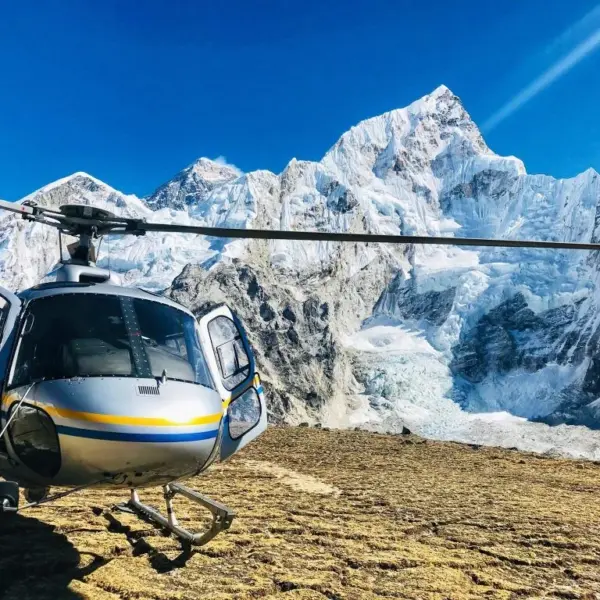
Typically, it starts from Kathmandu or Ramechhap, where one gets a flight to Lukla. Flights are subject to weather conditions and there is a possibility of flight delays in the peak trekking season. If it is not possible to get a flight, some people decide to take a helicopter ride, which is more expensive but available.
Meals are served at local teahouses during the Everest Three High Passes Trekking. In the morning, Tibetan people eat bread, eggs, porridge, pancakes, or Tibetan bread. Dal bhat, noodles, fried rice, soups, potatoes and pasta are common elements of lunch and dinner. There are also simple snacks and hot drinks that are available.
Accommodation is in mountain lodges, with simple twin-sharing rooms. Normally blankets are supplied; however, it is recommended to bring a warm sleeping bag. The journey with Himalayan Idol Adventure is well organized and comfortable as they arrange proper transportation, accommodation and food for the entire time.
Altitude Sickness
One of the most critical issues in the Everest High Passes Trek Itinerary is altitude sickness, as much of the trek is above 3,000 meters. The higher you go, the less oxygen there is in the air and your body has trouble getting used to it. These symptoms are headache, nausea, dizziness, loss of appetite, tiredness and problems going to sleep. Any serious symptoms should not be overlooked.
The best way to avoid altitude sickness is to take it slowly and acclimate to the elevation. Your body adapts best when you drink lots of water, have regular meals, steer clear of alcohol and moderate your walking. When symptoms worsen, it is best to go down to a lower elevation. The seasoned guides supervise the trekkers carefully and make decisions, taking health and safety into consideration during the trek.
Fitness & Training Plan for the Trek
Everest Three High Passes Trekking requires good physical fitness due to the long days and the steep climb and the high passes in the mountains. Most trekkers will need to train for at least 2-3 months before departure. Endurance and cardiovascular fitness are enhanced through regular hiking, jogging, cycling, swimming or stair climbing.
Strength training is also a key factor. Squats, lunges, step-ups, planks and core exercises strengthen the legs and promote balance on uneven terrain. Practice hiking with a backpack to get comfortable carrying extra weight (if possible). After exercise, stretching helps to enhance flexibility and minimise injury risk. A regular training program will make the walk more fun and allow you to get better and better for each subsequent day of walking.
Visa and Permits and Necessary Documents
A tourist visa is required for most foreigners before they begin their journey to the Everest Three Passes Trek in Nepal. It is possible to get a visa before coming or upon arriving at Kathmandu’s Tribhuvan International Airport. Your passport should have at least 6 months or more to the date of entry and it is always convenient to have extra passport photos for permits and other travel purposes.
There are two essential permits for the trek: Khumbu Pasang Lhamu Rural Municipality Permit and the Sagarmatha National Park Entry Permit. In the Everest region, it’s not a strict requirement to have a TIMS card. Have your travel insurance, emergency contacts and permits, as well as your passport, with you for the entire journey. Having all the permits sorted out before the trek, you can enjoy the experience of the Himalayan adventure without worrying. Himalayan Idol Adventure can get you all permits ready before your trek, so you can enjoy the experience of the Himalayan adventure without any worries.
Health & Safety on the Trek: Emergency Support and Evacuation
Safety must be the top priority on the Everest Three High Passes Trekking. Familiar guides keep a close watch on your well-being, watch for signs of altitude sickness and adjust the pace accordingly. With proper acclimatization and listening to the guide, the chances of a serious health issue are minimized.
Emergency evacuation can be arranged in the event of sickness, injury, or severe altitude sickness. In remote mountain areas, the fastest method of evacuation will be by helicopter, but this is weather-dependent. A first aid kit, sufficient water intake, balanced meals and staying warm also help to avoid common ailments. Arrange your travel insurance before you make your trip because medical expenses in remote areas can be costly and it should include high altitude trekking and emergency helicopter evacuation.
Mobile Network, Internet & Charging Facilities Along the Trail
Mobile communications are available on most of the Everest High Passes Trek Itinerary, but the coverage is limited in remote valleys and at higher altitudes. Both Ncell and Nepal Telecom have coverage in several villages; however, service is not always consistent, particularly when transiting across the high passes.
Internet access is available at most teahouses for extra payments, but in the villages you will find it slow compared to the cities. Most lodges will provide charging facilities for phones, cameras and power banks, but they often need a small fee as they use solar panels or small hydro schemes to produce electricity. It is highly recommended to carry a fully charged Powerbank and extra batteries (during the steep part of the climb where there is a risk of not having electricity).
Travel Insurance
Everest Three High Passes Trekking is a trek of remote areas, where medical facilities are not easily available, so travel insurance is a must. Insurance should include trekking up to at least 5600m (18373ft), emergency medical treatment, helicopter evacuation, trip cancellation and personal belongings. Please refer to the policy carefully before travel in case it does not cover high altitude trekking.
Have both a hard copy and a digital insurance policy and your emergency contact information. In case of an emergency, you will be guided and supported by your guide and the trekking agency to get out of there, but insurance clearance is usually a precondition for a rescue helicopter to be dispatched. Himalayan Idol Adventure cannot arrange for evacuation but is able to help coordinate emergency procedures and all evacuation and medical costs are subject to insurance coverage of your insurer.
Language & Communication
In Nepal, the main language is Nepali and the local people in the Everest region speak the Sherpa language. Throughout the Everest Three Passes Trek, there are many guides, lodge owners and staff who speak basic to good English as they often encounter international trekkers. This will allow you to make inquiries, place orders and communicate with the residents.
Some basic Nepali phrases can enhance your experience and demonstrate cultural sensitivity. It’s always nice to hear words like “Namaste” and “Dhanyabad” for greetings and thank you. Guides are also available to assist in overcoming any language barriers if necessary. There may be fewer places to communicate in more remote villages, but friendly and welcoming locals can be reached through simple conversation and gestures.
Driving Back from Lukla Instead of Flying: Cost, Time & Booking Tips
Currently, there’s no road that runs directly from Lukla to Kathmandu, so it’s not possible to drive all the way back from Lukla. The other option is to hike from Lukla to Salleri or Surke, where road access starts, if flights are canceled or you don’t want to fly. Salleri offers jeep or car service to Kathmandu.
This will add a couple of days to your trek to the road, typically. It will take approximately 8-10 hours to drive from Salleri to Kathmandu. Shared jeeps are the cheapest option and private jeeps are much more comfortable and flexible. If you feel you will require this, please consult Himalayan Idol Adventure before your trek and arrangements will be made to get you to your destination swiftly should flights be delayed or canceled.
Useful Tips for the First-Time Travellers
Is the Trek Suitable for Kids and Teenagers? An Honest Age Guide
This trek is typically recommended for teenagers who are fit and have some experience in hiking. Not recommended for young children due to the high altitude, long days of walking and the difficult passes. Families should always seek medical advice and think carefully about their tour with adequate acclimatisation before they travel.
This Trek for Seniors: What to Expect at 60+
This trek is undertaken by many healthy people over 60 years of age, who complete the trek each year. However, fitness, previous trekking experience and correct acclimatisation are more important than age. Recommendation for medical checkup before trip. Walking at a leisurely pace and by his/her instructions greatly enhances safety and enjoyment.
First Himalayan Trek Ever? Why this Trek Is Ideal for You
This trek is not advisable for a first-time trek in the Himalayas as there are three high mountain passes over 5,000m and lengthy, difficult trekking days. For beginners, first attempt some easier routes, like Everest Base Camp, Annapurna Base Camp or Langtang Valley and then come on to this challenging trek.
This Without a Guide: Is It Legal and Is It Wise?
Currently, most foreign trekkers are not allowed to trek independently in the Everest region. A licensed guide is more likely to keep you safe, will help with navigation and has the resources to assist you in emergency and altitude-related situations. A guide is also able to offer local insight and enrich the overall trekking experience.
How Crowded Is this Trek?
This trek is much less noisy than the typical route to EBC. The path from Lobuche to Gorakshep is typically crowded in the spring and fall and the Kongma La, Cho La, Renjo La and Gokyo are less crowded. The perfect season is for a more peaceful mountain experience.
Solo Female Trekkers on this Trek: Safety and Practical Notes
When trekking with a licensed guide or organized group, the trek is deemed safe for female travelers alone. The locals are very friendly and welcoming and teahouses are used to foreign guests. Taking the basic steps outlined for traveling safely and being sensitive to the local culture will help you get to and from your destination safely and have a good time.
Best Photography Spots on the Trail
The trek is filled with excellent photographic opportunities along the way. The best places to visit are Namche Bazaar, Tengboche Monastery, Kala Patthar, Everest Base Camp, Kongma La Pass, Cho La Pass, Renjo La Pass, Gokyo Ri and the Gokyo Lakes. The best light and views will be in the early morning or later afternoon.

Frequently Asked Questions
There is a general rule among most airlines that 15 kg of combined baggage, hand-baggage and checked luggage is allowed. Weight will be charged extra if available.
Yes. In Kathmandu, most hotels have lockers where you can leave additional luggage, which will be safe and secure and won’t cost you a dime.
Bring sufficient Nepalese Rupees for personal needs, drinks, charging, Wi-Fi, hot showers and tips, as there are no ATMs available outside of Namche Bazaar.
Hot showers, for extra money, are available at most teahouses. Availability is dependent on weather, water supply and lodge facilities at higher elevations.
Yes. Most villages have bottled water and boiled drinking water. The best environmentally friendly choice is to use a water bottle with purification tablets.
Yes. Vegetarian dishes are available in most tea houses and many can prepare vegan dishes. Let the guide know of any dietary needs before the hike.
Most lodges have shared toilets. Most villages have squat toilets at higher altitudes and western-style toilets in lower villages with simple washing at the toilets.
Yes. There are plenty of places to charge your phone in most teahouses, though it usually costs an extra charge. A power bank is recommended for the higher portions of the hike.
Yes. Trekking poles enhance balance, take pressure off your knees and offer additional support when climbing hills, descending and navigating through rocky mountain terrain.
Tipping is encouraged, but not required. This will vary depending on the size of your group, duration of the trip and the level of service rendered during the trip.
- Owner operated
- Price match guaranteed
- Tailored made trip
- Secured online payment
No. of Persons
Price per Person
-
1 -
2 people
US$ 1700
-
3 -
8 people
US$ 1550
-
9 -
12 people
US$ 1450
-
13 + people
9999
US$ 1350
 Testimonial
Trip Reviews
 You May Also Like
Related Trip Packages
 16 Days
Everest Base Camp Kalapathar Trek
 2200
2200  1 Day
1 Day