

Booking open: Secure your trip early for the seasons 2026 & 2027


Luxury Mera Peak Climbing with Helicopter Return

Quick facts about Luxury Mera Peak Climbing with Helicopter Return

Duration
13 Days

Trip Grade
Moderate

Maximum Altitude
6,461 m

Group Size
2-20 People

Starts
Kathmandu

Ends
Kathmandu

Accomodation
Hotel, Lodge, Tent

Best Time
Oct-Dec & Mar-May


Trip Overview
Mera Peak climbing takes you into the high mountains of the Khumbu region, combining several days of remote trekking with a demanding climb to Mera Central (6,461 m /21,198 ft). The trek starts in Kathmandu and then takes a helicopter flight to Lukla. The path then winds through peaceful mountain hamlets, through woods, through valleys and across alpine scenery, until you reach the summit.
This route is the less-traveled southern route to Mera Peak. From Lukla you go through Paiya, Panggom, Ningsow and Chhatra Khola to the Hinku Valley. As you climb higher, the landscape shifts from forest to alpine meadows and rocky mountains. The important stopping points for rest and acclimatisation are Kothe, Thangnak and Khare.
Mera Peak Climbing with Helicopter Return is a program for those who wish to experience the thrill of climbing in the Himalayas without sacrificing a fast trip home. Your guide will do practical training with equipment (crampons, an ice axe, harness and climbing rope) at Khare on the acclimatization day. There is also a training hike which leads to a similar altitude of approximately 5350 m (17552 ft), from where it returns to Khare.
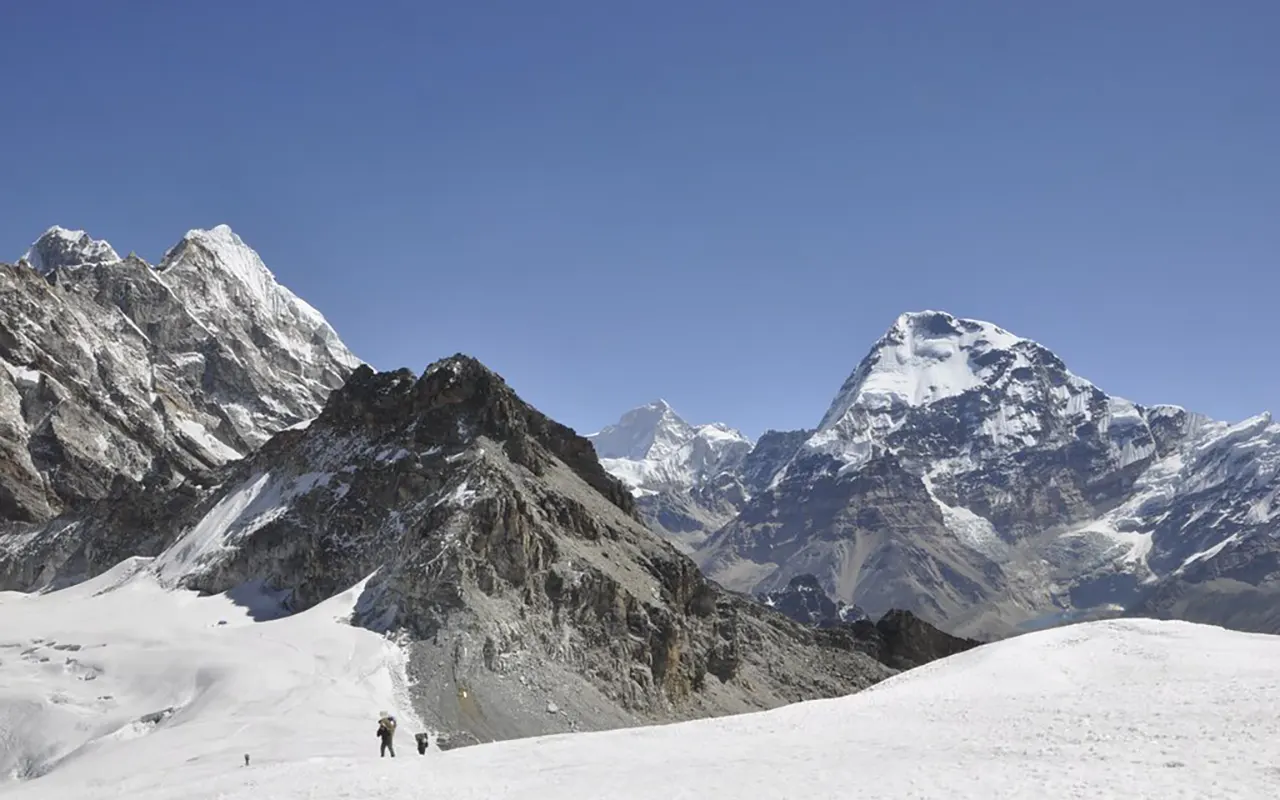
The path from Khare is more challenging. After crossing Mera La (5415 m /17766 ft), you cross glacial ground to make your way to Mera High Camp (5780 m /18963 ft). The summit attempt starts early the next morning. Coping with thin air, cold and steep sections, careful pacing and stamina are all required to reach Mera Central (6,461 m /21,198 ft).
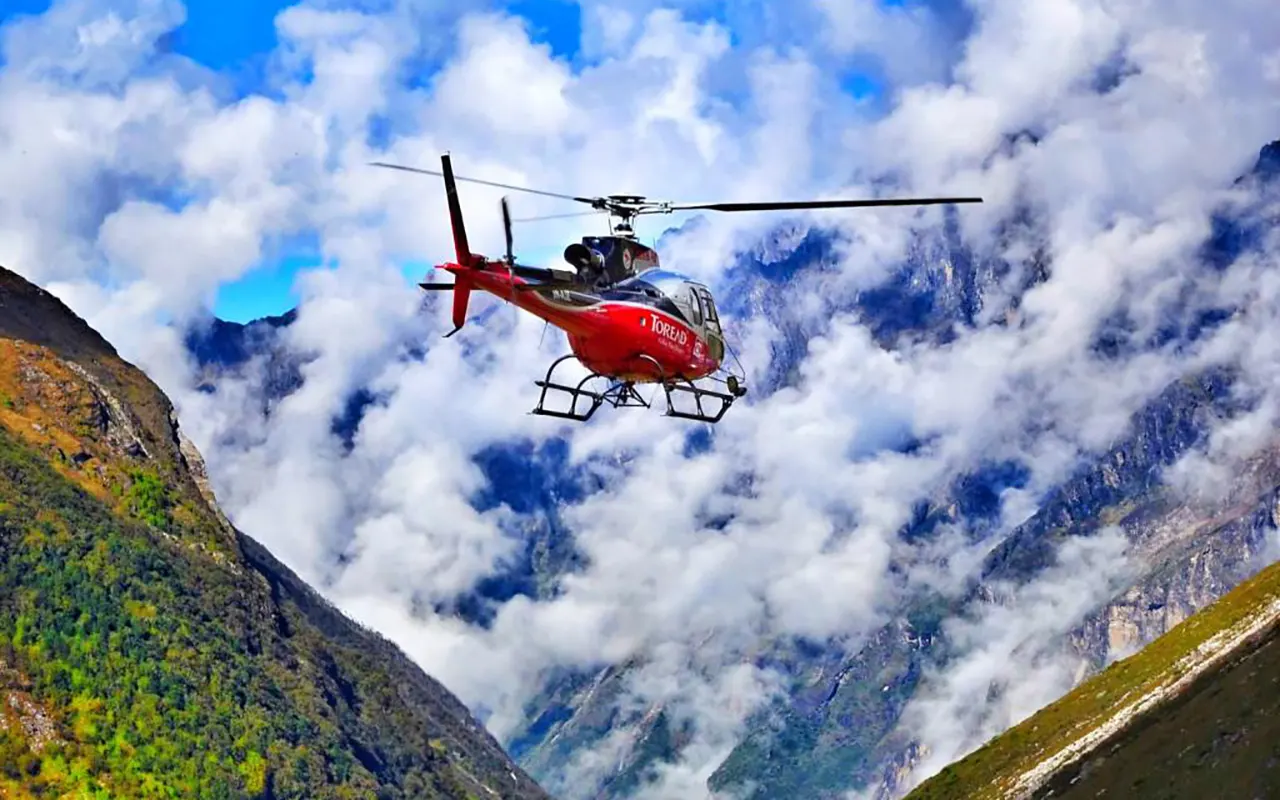
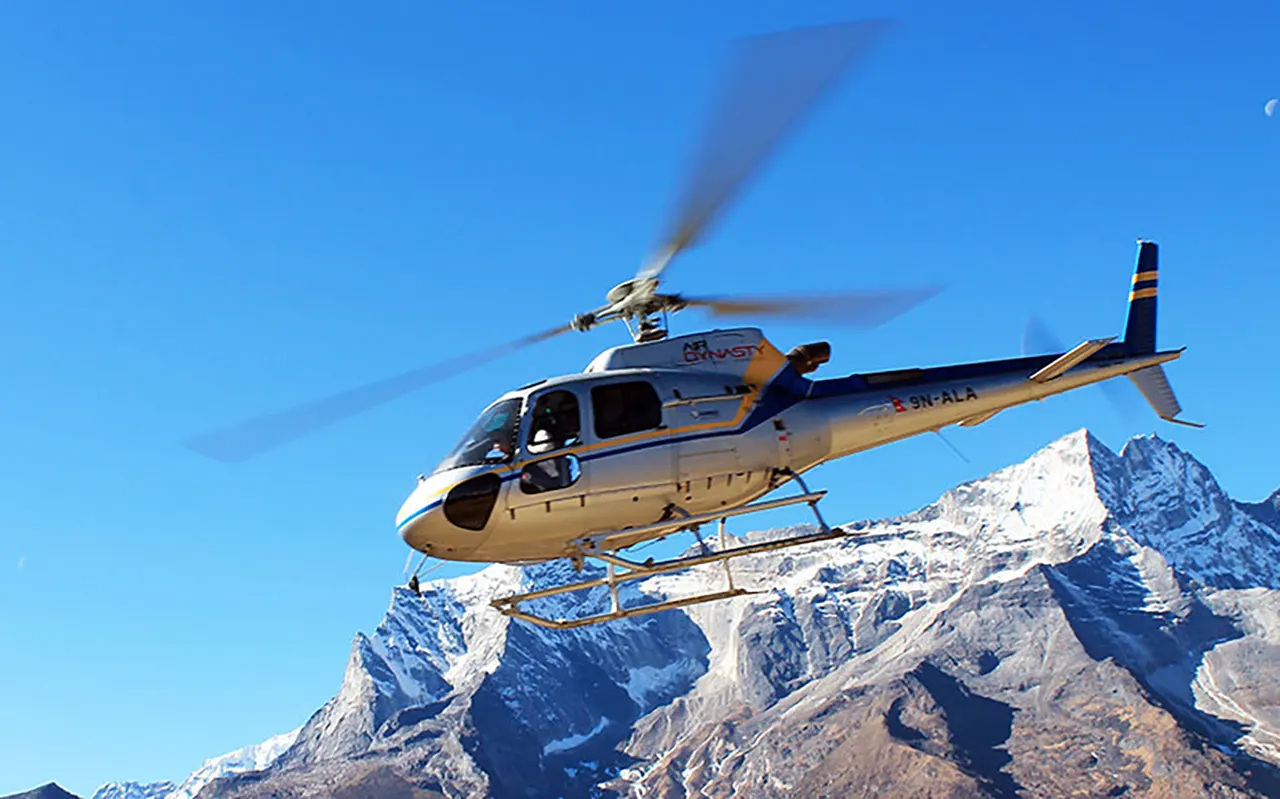
The return trip is the approach’s opposite. Take a helicopter from Khare to Kathmandu via Lukla instead of retracing the entire trekking route. This will save you a few days of stairs after the top and make your end of the trip more pleasant.
Even with the luxury and the helicopter, the preparation for Mera Peak Climbing remains the same. Fit, insured, right equipment, right attitude to acclimatisation are important. Himalayan Idol Adventure offers organized trekking and climbing facilities during the trek, including climbing gear, permits, guides and emergency assistance.
Luxury Mera Peak Climbing with Helicopter Return starts from Kathmandu and flies to Lukla. The trail goes via the more secluded southern route from Lukla through Paiya, Panggom, Ningsow and Chhatra Khola to Kothe in the Hinku Valley.
The trek then heads to Thangnak and then Khare, with a focus on acclimatization and preparation for the climb. From Khare, cross glacial terrain towards Mera La (5,415 m/17,766 ft) and on to Mera High Camp (5,780 m/18,963 ft).
The next morning will be dedicated to a summit approach, which is intended to reach Mera Central (6,461 m /21,198 ft). Descending to Khare, the return is made by helicopter and gets the traveler to Kathmandu, bypassing a couple of days’ trek through the same route.
- Owner operated
- Price match guaranteed
- Tailored made trip
- Secured online payment

Trip Highlights
- The alternative trail that leads to Mera Peak is a quieter route in the South.
- Paiya, Panggom, Ningsow and Chhatra Khola – walking through these villages.
- Trails through the forest in the Hinku Valley
- At Thangnak and Khare, acclimatization is carried out.
- Climbing with crampons, ice axe and harness.
- Crossing Mera La (5,415 m /17,766 ft)
- Overnight stay at Mera High Camp (5,780 m /18,963 ft)
- Summit attempt of Mera Central (6,461 m /21,198 ft)
- Helicopter flights are available from Khare to Kathmandu via Lukla.

Detail Itinerary
Day 01: Arrival in Kathmandu
Himalayan Idol Adventure will meet you at the Tribhuvan International Airport. Then private car transfers will take you to your hotel. Kathmandu (1320m /4,330ft) is a leisurely entry into the trek and climb.
After checking in at the hotel, your guide will give you a detailed briefing of the route of the Mera Peak climb. Planned ascent, trail conditions, safety procedures and practical information will be discussed. Your climbing gear will also be inspected to ensure all the necessary equipment is in order.
The rest of the evening is a time to relax and prepare. Additionally, you can sample some local cuisine at your own cost.

Activity: Airport arrival, hotel transfer, trip briefing and gear preparation, 45 min drive

Accommodation: Hotel

Meal: No Meals

Max Altitude: 1,320m/4,331ft. (Kathmandu)
Day 02: Helicopter Flight from Kathmandu to Lukla and Trek to Paiya
A joint flight from Kathmandu to Lukla starts the day. The flight lasts about 45 minutes and offers aerial photography of the Himalayan landscape, possibly including images of the Langtang, Jugal, Kanchenjunga, Makalu and Everest ranges and peaks, subject to the weather and visibility.
You’ll be met at Lukla by the climbing party who will help you with your luggage. The path first heads towards Handi Khola and passes over a suspension bridge before heading towards Surke and Pake.
From this point, the path slowly ascends through the forest to the Chutok La area at 2,945 m (9,662 ft). On the other side of this, you head towards Paiya where you spend the night at one of the local lodges.
Activity: Shared helicopter flight and trekking, 45 min helicopter flight and 5 to 6 hrs trek
Accommodation: Lodge
Meal: Breakfast, Lunch, Dinner
Max Altitude: 2,945m/9,662ft. (Lukla)
Day 03: Trek from Paiya to Panggom
Breakfast is served at the lodge, after which you head down towards the Paiya Khola. The trail then goes over a small bridge and into the surrounding forest. The path then rises gently up to Khari La (3081 m /10108 ft).
With clear skies, the pass offers views towards Gyachung Kang, Khumbila and surrounding hills. The trail from the pass winds through the forest and up onto the hills, leading to Lenji Kharka.
Further along, spaces open up and the Dudh Koshi River is visible from the road. The trail finally leads to the small mountain hamlet of Panggom, linked to ancient trails leading towards the Everest region. Overnight stay will be in a local lodge where you will sleep for the next walking day.
Activity: Trekking through forest and mountain trails, 5 to 6 hrs
Accommodation: Lodge
Meal: Breakfast, Lunch, Dinner
Max Altitude: 3,081m/10,108ft. (Paiya)
Day 04: Trek from Panggom to Ningsow
After breakfast, the trek starts from Panggom and heads up to Panggom La (3,175 m/10,417 ft). The trail then turns north through the woods and up open hillsides from the pass.
Further along the track, Mera Peak can be seen and later Numbur Peak. The track goes across Peseng Kharka Khola and then through green meadows close to the Sibuje Village before reaching Peeng Kharka Danda.
The walking in this stretch is moderate, but there are a number of ascents and descents. The trail then goes close to Ningsow Khola and then to the village of Ningsow. There is a local lodge you can stay at overnight.
Activity: Trekking over Panggom La and through forested trails, 4 to 5 hrs
Accommodation: Lodge
Meal: Breakfast, Lunch, Dinner
Max Altitude: 3,175m/10,417ft. (Panggom)
Day 05: Trek from Ningsow to Chhatra Khola
Following breakfast, you head from Ningsow and start a series of climbs and descents to reach Chhatra Khola. The trail goes through a wooded area and extends to Ramailo Danda, where the surrounding area widens.
In certain parts of the trail, you can see peaks and mountain areas such as Mojang, Salpa, Mera, Sanu and Kusum Kanguru based on the weather. Then it heads towards the Tama Khola and passes through the river area via a suspension bridge.
After another climb, you reach 4G Danda, where a mountain lodge provides an opportunity for a short rest. The trail then turns to the Pasang Lhamu trail towards Makalu Barun National Park. From here, you pass through the forest to reach Chhatra Khola, where you overnight in a local lodge.
Activity: Trekking through forest and Makalu Barun National Park, 7 to 8 hrs
Accommodation: Lodge
Meal: Breakfast, Lunch, Dinner
Max Altitude: 3,122m/10,243ft. (Ningsow)
Day 06: Trek from Chhatra Khola to Kothe
From Chhatra Khola, the trail goes north through a wooded area with greenery and moss. As you proceed on the path, it starts to rise as you reach the Hinku Valley. The walking is pretty consistent, but with a few changes in surface and level of the trail.
It passes through areas around Taktor and Tashing Dingma, then follows the Hinku Khola. It goes over Sanu Khola with a long suspension bridge and goes through the valley.
The route into Kothe is then flatter and the forest gradually changes to higher mountain terrain. The trail travels through the Hinku Valley and eventually arrives in Kothe (3,600 m /11,811 ft). Checkpoints pass through this section for Makalu Barun National Park when necessary.
Activity: Trekking through the Hinku Valley and permit verification, 6 to 7 hrs
Accommodation: Lodge
Meal: Breakfast, Lunch, Dinner
Max Altitude: 3,600m/11,811ft. (Kothe)
Day 07: Trek from Kothe to Thangnak
This trail slowly steps out of the forested area around Kothe and moves up into the higher alpine area. The climb above 4,000m (13,123 ft) is significant for the acclimatization part of this section. Your guide will keep a regular pace and will give you good breaks as you get higher.
The trail is along the Hinku Valley and under the Mera area. As you walk, you will cross over land which has been used by the local herders in the past. The trail then heads towards the small settlement of Gondishung where you can take lunch and visit Lungsumgba Gompa.
It is then a gradual ascent towards Thangnak after Gondishung. It’s a transient community of small stores and basic cabins. Overnight stay and acclimatisation before heading towards the higher elevations around Khare.
Activity: Trekking through alpine meadows and mountain terrain, 4 to 5 hrs
Accommodation: Lodge
Meal: Breakfast, Lunch, Dinner
Max Altitude: 4,358m/14,298ft. (Thangnak)
Day 08: Trek from Thangnak to Khare
The trail leads towards the higher glacial terrain of the Mera region from the area of Thangnak. At about 4,463 m (14,642 ft), you arrive at the glacial lake Sabai Tsho after about 30 minutes of walking.
The terrain becomes rockier and more glacial in going further up the road to the Hinku Nup Glacier from the lake. Be mindful of footing as the trail is not always level and slippery in spots. Your guide will make sure you navigate the more challenging parts of the ride safely.
As you get closer and closer to Khare, the peaks around it grow and grow. Kangtega and Charpate can be seen on the trail whilst Mera Peak looks closer as you climb higher. You will be based at about 5,045 m (16,552 ft) at Khare and from there you will begin the next phase of climbing preparation.
Activity: High altitude trekking through glacial terrain, 3 to 5 hrs
Accommodation: Lodge
Meal: Breakfast, Lunch, Dinner
Max Altitude: 5,045m/16,552ft. (Khare)
Day 09: Acclimatization at Khare and Pre-Climbing Training
At Khare, today is focused on acclimatisation and preparation for climbing. The time spent at this altitude will ease the body into the change in elevation before climbing further up to Mera High Camp and the summit. Your climbing guide will also go over the gear and how it will be applied in the climb.
Climbing boots and crampons, ice axe, harness, climbing rope and other necessary equipment will be used during practical training. The guide will show how to move safely on steep, icy and uneven ground.
There will also be a short acclimatization trek to the elevated region close to Mera Base Camp. The training hike can be approximately 17,552 ft (5,350 m) before heading back to Khare. The remainder of the day is for recuperation & final preparations.
Activity: Acclimatization hike and pre-climbing training, 3 to 4 hrs
Accommodation: Lodge
Meal: Breakfast, Lunch, Dinner
Max Altitude: 5,350m/17,552ft. (Khare)
Day 10: Climb from Khare to Mera High Camp
The ascent from Khare starts on boulder and rocky ground, leading towards Mera La. The path comes to the pass at about 5,415 m (17,766 ft). Care should be taken to walk carefully through this section as it becomes increasingly exposed and conditions can vary with snow and ice.
Once the crossing of Mera La, the trail is now on higher glacial terrain towards Mera High Camp. Some sections may be more challenging due to snow or ice, depending on recent weather conditions. The climbing team will take you through these zones and help you with the technical gear as needed.
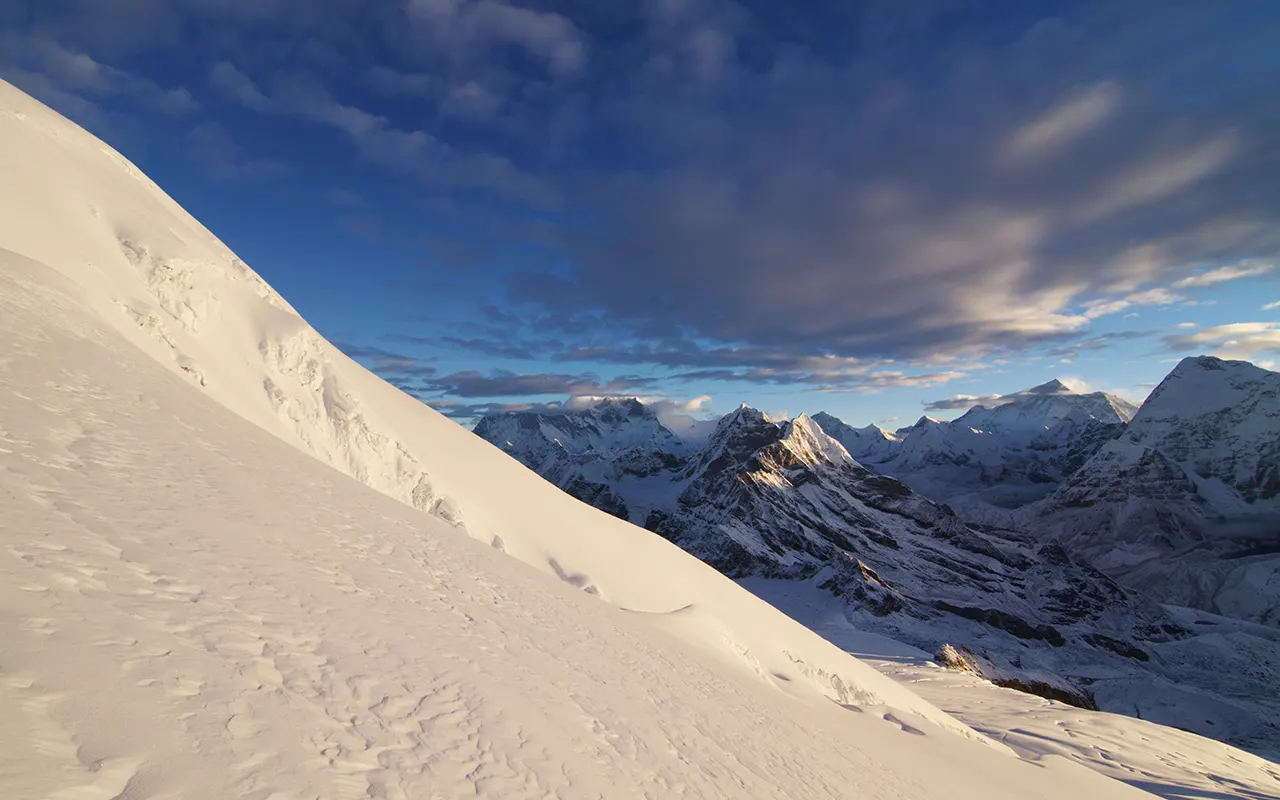
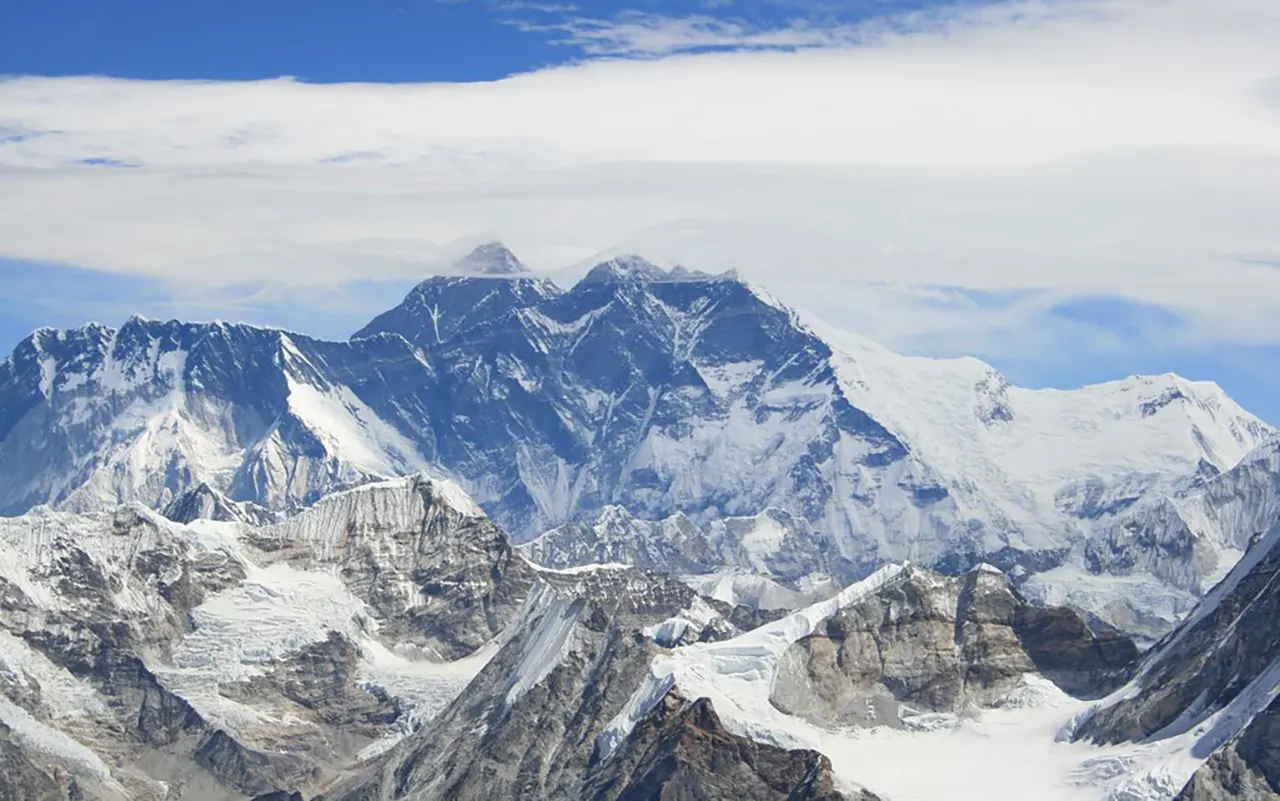
The location of Mera High Camp is about 5,780 m (18,963 ft). Depending on the weather conditions, you can spot several gigantic peaks from camp, like Everest, Lhotse, Makalu, Chamlang, Baruntse, Nuptse, Pumori, Cho Oyu and Ama Dablam. It takes place in the evening, preparing for the summit attempt.
Activity: Glacier trekking, climbing and preparation for summit attempt, 6 to 7 hrs
Accommodation: Tent
Meal: Breakfast, Lunch, Dinner
Max Altitude: 5,780m/18,963ft. (Mera High Camp)
Day 11: Mera Central Summit and Descent to Khare
Summit day begins very early, normally around 2:00 am. Once breakfast and the appropriate climbing gear have been consumed, you start to climb with your guide on the glacier. The early start makes it easier for the team to make the attempt to the summit during the normal “climbing window” and to be back before conditions worsen later in the day.
The steeper the incline, the thinner the air as you climb it. It is the most challenging day on the programme due to the cold temperatures, the snow and ice and the length of the climb. The last stretch may be steep and your guide may employ a fixed rope if needed.
The objective is Mera Central (6,461 m /21,198 ft). You climb to the top and then take a brief rest at High Camp before heading to Khare. This can be adjusted based on weather, snow and group speed.
Activity: Mera Central summit climb and descent to Khare, 8 to 9 hrs
Accommodation: Lodge
Meal: Breakfast, Lunch, Dinner
Max Altitude: 6,461m/21,198ft. (Mera Central Summit)
Day 12: Helicopter Flight from Khare to Kathmandu via Lukla
The morning in Khare is not a big hustle and bustle, once you have reached the summit and are returning to your base. Breakfast before the helicopter transfer to Kathmandu. The location of Khare is about 5045 m (16552 ft), but the flight of the helicopter eliminates the need for a long return trip!
First, it goes towards Lukla, where it stays for about 15 minutes, after which it heads for Tribhuvan International Airport in Kathmandu. Flight timing and routing may change due to weather and operations.
You will be picked up from Kathmandu by a private car and taken to your accommodation. The team will meet for the provided dinner at the end of the day. There will also be a certificate of completion for the expedition.
Activity: Helicopter flight from Khare via Lukla to Kathmandu, 1 hr helicopter flight
Accommodation: Hotel
Meal: Breakfast, Dinner
Max Altitude: 5,045m/16,552ft. (Khare)
Day 13: Departure from Kathmandu
Today is the last day of your Mera Peak climbing adventure. A representative from Himalayan Idol Adventure will pick you up from your hotel and drive you to Tribhuvan International Airport as per your international flight timetable.
Before departing the hotel, check that all personal effects and travel documentation are retrieved. Return any climbing equipment that is required for return before departing for the airport, if rented or borrowed.
The last day is a day of no trekking or climbing. The transfer is organised by flight time and you can fly out of Kathmandu at the end of the expedition.
On the morning of departure, breakfast is served in the hotel. The organised expedition services are finished when you reach the airport.
Activity: Hotel check-out and airport transfer, According to flight schedule
Meal: Breakfast
Max Altitude: 1,320m/4,331ft. (Kathmandu)
If our standard itinerary doesn't fully meet your needs, we are happy to tailor it to your specific preferences and requirements.
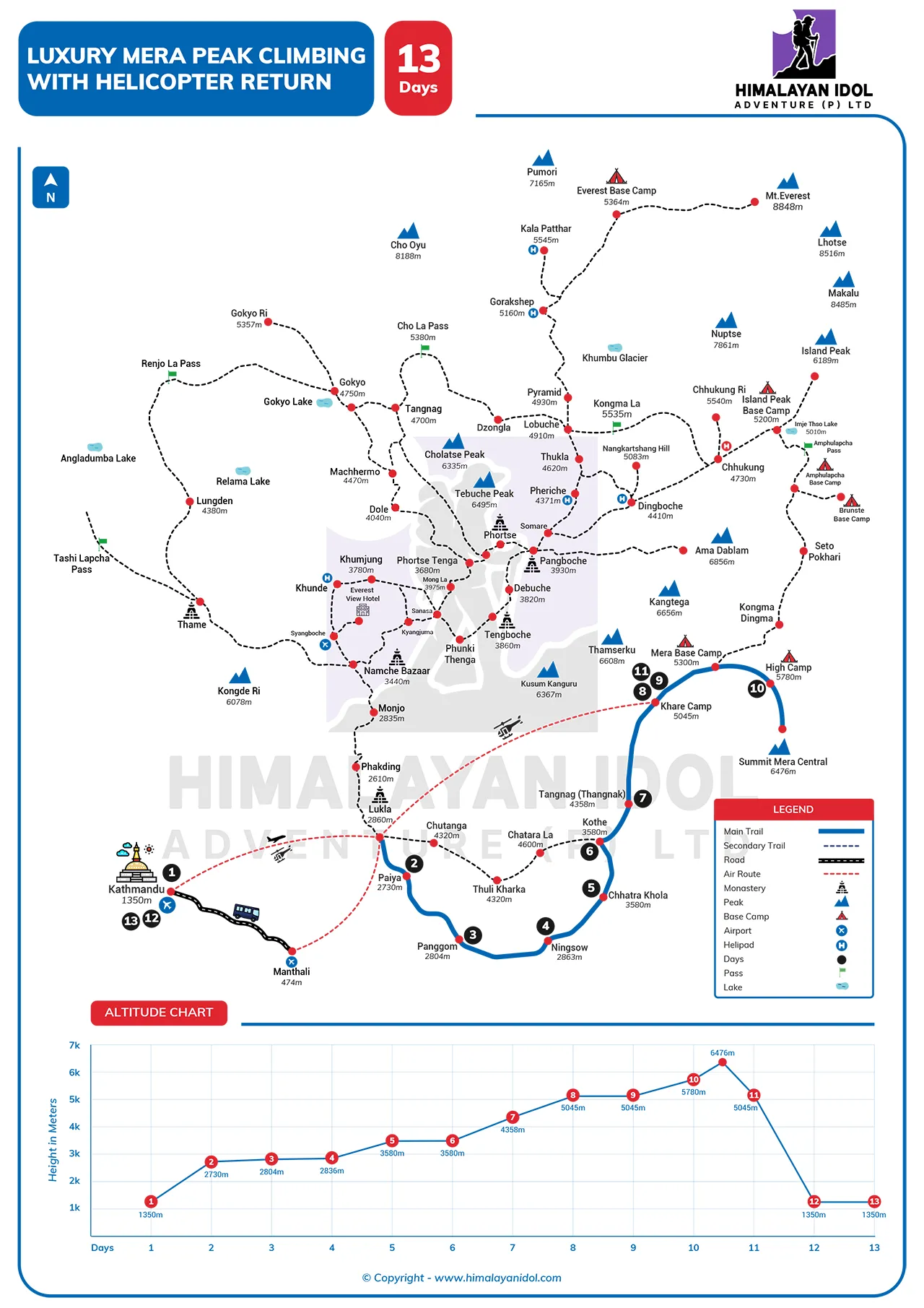
Route Map & Altitude Chart
Trip Information of Luxury Mera Peak Climbing with Helicopter Return
How Difficult is the Trek?
Luxury Mera Peak Climbing with Helicopter Return is a moderately difficult high-altitude trekking and climbing adventure. The trail is a long day hike, rocky, with steep ascents, glaciers and a summit elevation of 6461 m (21198 ft).
| Factor | Difficulty |
| Overall level | Challenging |
| Highest point | 6,461 m (21,198 ft) |
| Trekking hours | About 4 to 8 hours on most days |
| Summit day | About 8 to 9 hours |
| Main challenges | Altitude, cold, steep terrain and snow |
| Technical preparation | Ice axe, crampons, harness and rope training |
| Fitness needed | Good cardiovascular fitness and endurance |
While previous experience in high altitude trekking helps, preparation and acclimatisation are equally critical to success.
Best Time to do this Trek: Month by Month Visibility & Weather Guide
Climbing Mera Peak with Helicopter Return is best done in spring and autumn. The main mountaineering season is from March to May; September to November is generally clear.
| Month | Weather & Visibility | Suitability |
| January | Very cold, snow possible at high altitude | Difficult |
| February | Cold with winter conditions | Possible with experience |
| March | Improving weather and clearer days | Good |
| April | Generally stable climbing conditions | Very good |
| May | Warmer lower down, possible pre-monsoon clouds | Good |
| June | Monsoon begins | Not recommended |
| July | Wet and cloudy | Not recommended |
| August | Heavy monsoon influence | Not recommended |
| September | Weather starts improving | Good |
| October | Clear skies and good visibility | Excellent |
| November | Dry, clear and colder | Excellent |
| December | Cold with shorter days | Possible with experience |
High mountain weather can turn bad in a flash, so dates for high mountain climbing should always be planned to be flexible.
Transportation, Food and Accommodation
Private airport transfers and the shared flight from Kathmandu to Lukla in a helicopter are included in the transportation package for Luxury Mera Peak Climbing. Although the trip back to Kathmandu is a very long walk via Lukla, this is offset by the helicopter flight from Khare.
Accommodation consists of hotels in Kathmandu and tents or lodges in the hike section. The package includes camping facilities with sleeping, dining and toilet tents during the climbing section.
The Kathmandu hotel offers a breakfast buffet. Breakfast, lunch and dinner are provided throughout the trek/expedition. Bottled water and boiled water/hot drinks are also available per pack. Kathmandu does not include lunch and dinner.
Altitude Sickness
Above 2,500 m (8,202 ft), the symptoms of altitude sickness can become an issue. As the track rises to Khare, High Camp and then on to the summit, the risk will increase. Symptoms include headache, nausea, fatigue, dizziness and loss of appetite.
Important precautions include:
- Rise slowly and follow the lead.
- Ensure adequate consumption of pure water during the day.
- Don’t drink alcohol at high elevations.
- If you are not feeling well, notify your guide right away.
- Do not continue climbing if symptoms are getting worse.
- If symptoms are severe, climb down quickly.
The itinerary has acclimatization days at Khare before higher climbing days. Himalayan Idol Adventure also has safety oxygen, a first aid kit and an oximeter as climbing support.
Fitness & Training Plan for the Trek
Mera Peak Climbing with Helicopter Return demands a level of fitness as there is an element of both trekking and the demanding climb to the summit. Walking for many hours on rocky terrain in a daypack must be comfortable.
A good training schedule will have:
- Begin walking/hiking regularly at least 8-12 weeks before departure.
- Gradually increase the amount of time spent walking on a longer training day to 4-6 hours.
- Include uphill and stair training to strengthen your legs.
- Include squats, lunges and step-ups for lower body strength.
- Add exercises that promote balance and stability.
- Engage in regular cardiovascular exercise, like cycling or brisk walking.
- Practice walking in the shoes and pack you will take on the hike.
Visa, Permits and Necessary Documents
Foreign nationals must ensure that they have valid travel documents and a relevant visa for entry into Nepal. The passport must be valid for the necessary time and you should bring copies of necessary travel documents on the journey.
Permits and registrations are needed for the trekking and climbing route. Mera Peak Trek is listed as one of the trekking routes in Nepal where trekkers have to hire a licensed agency and guide and have a TIMS card. Mera Peak is also part of the trekking peak system managed by the Nepal Mountaineering Association and so an NMA Climbing Permit is required. In addition, a Makalu Barun National Park Entry Permit and Local Rural Municipality Permit are also required.
Himalayan Idol Adventure organizes all the necessary permits with the package, such as trekking and climbing permits. It is advisable to keep your passport, visa documents, travel insurance information, emergency contact information and other personal documents with you.
Health & Safety on the Trek: Emergency Support and Evacuation
Safety is a growing concern as the altitude above 4000 m (13,123 ft). Your guide will keep an eye on your condition, your pace and your reaction to the altitude level during the trip. Always report unusual symptoms; don’t try to proceed quietly.
There are several safety features included in the package:
- Oxygen supply for emergencies and safety.
- First aid kit and oximeter
- Satellite phone for emergency communication.
- Walkie-talkies for communication between teams
- Experienced climbing guides
- Support for emergency and rescue activities
- Support with evacuation preparations if required
Himalayan Idol Adventure provides coordination of emergency support as part of the expedition services. If serious altitude sickness or another emergency arises, it should be decided quickly to descend and evacuate. If severe altitude symptoms occur, trekkers should go to a lower elevation.
Mobile Network, Internet & Charging Facilities Along the Trail
Mobile phone coverage is available along all parts of the route, except for higher and remote areas where the coverage reduces. A mobile phone should not be used as the only means of communication on the climb.
Some lodges have WiFi, but the quality and availability of internet connection are not guaranteed. Internet connectivity may be spotty or unavailable at higher elevations.
At some lodges there are charging facilities (some of which are for a fee), but these are limited around the higher camps. It is highly recommended to bring a power bank. A solar charger may also be useful for extended periods when there is no regular electric power.
The climbing team also has communication gear, including satellite communication and walkie-talkies, for group communication and emergency communications.
Travel Insurance
When you go for Luxury Mera Peak Climbing, you discover that it is one of the climbs that requires travel insurance. You should make sure your policy specifically covers mountaineering/climbing activities at the highest elevation you plan to go on the trip.
Verify that the policy has provisions for emergency medical treatment, helicopter evacuation, rescue costs, trip interruption and other related costs. Before travelling, the wording of the travel insurance policy should be carefully checked, as climbing activities or high altitude travel may be excluded from standard travel insurance.
Climbing insurance and travel insurance are not included in the package. You should have appropriate insurance for the trip and bring proof of insurance with you.
During the expedition, it’s also a good idea to have the contact information for your insurance company readily available.
Language & Communication
Along the main trekking routes, English is widely spoken by the trekking guides and staff. Your guide will give you an explanation in English about the daily walking plan, safety instructions, meals and accommodation.
The local language is Nepali and in the mountain region, Sherpa and other local languages are used. Different languages can be heard as you go through the villages and greet the locals.
Simple interactions can be made easy with useful Nepali words. Understanding the greetings “Namaste” and “dhanyabad,” which mean hello and thank you, respectively.
In the case of Mera Peak Climbing with Helicopter Return, communication with the guide is the most important. If you get tired, unwell, cold, or uncomfortable, advise your guide accordingly and decisions will be taken.
Driving Back Instead of Helicopter: Cost, Time & Booking Tips
The standard package is a helicopter ride from Khare to Kathmandu via Lukla. A road return is not a straightforward alternative as Khare doesn’t have road access. It would require a walk back to roadways on the other side of the area before driving on to the main road.
| Option | Time | Main Consideration |
| Helicopter from Khare | About 1 hour flight time | Fastest and included in the package |
| Trek back to Lukla | Several days | Requires additional trekking days |
| Road journey after reaching road access | Additional travel time | Longer and more dependent on road conditions |
| Private vehicle | Flexible | Higher cost than shared transport |
| Public or shared vehicle | Usually cheaper | Less flexible and potentially slower |
If you wish to change the helicopter return, please discuss with the agency before booking. The alternative must be organised in advance due to the possibility of extending the accommodation, guides, porters, transport and other meals. Note that this itinerary is a road return with helicopter included in the package, so it should not be assumed that there may only be a fare difference.
Is the Trek Suitable for Kids and Teenagers? An Honest Age Guide
Climbing to Mera Peak is not a recommended activity for young children due to the long day hikes, elevation, cold and challenging climb. Students who are physically fit, have prior hiking experience and are well-prepared can be part of the group. This challenging trek is best suited to experienced trekkers or, for younger trekkers, careful consideration and professional guidance.
This Trek for Seniors: What to Expect at 60+
There is no age restriction for participation, but good fitness and endurance are necessary for climbing Mera Peak. The elderly should be experienced in arduous trekking and should get medical clearance before travelling. The summit day can be physically challenging due to the high elevation, cold temperatures and the event itself. Special attention should be given to acclimatization and to a more relaxed approach.
First Himalayan Trek Ever? Why This Trek is Ideal for You
This trek is challenging, but not too easy for a first trek into the Himalayas. Luxury Mera Peak Climbing with Helicopter Return is a combination of a remote trek, high-altitude acclimatization and a technical climb. It is considered for the beginner climber who is physically fit and desires to learn, but training in high-altitude trekking will give a definite advantage.
This Without a Guide: Is It Legal and Is It Wise?
Independent trekking is not possible on certain protected routes in Nepal and Mera Peak climbing is done with permits and climbing support. It is not only that the route is dangerous without a guide, given its high elevation, glaciers, weather and technical sections; it’s also a fool’s errand. A qualified climbing team offers the necessary navigation, safety and emergency support.
How Crowded Is This Trek?
Mera Peak is not as crowded as the Everest Base Camp route, especially on the first sections of the trek. Peak population times can be during the primary climbing seasons (spring and autumn). The upper areas are still more isolated and housing facilities may be sparse. In summer months, when there are lots of climbing groups traveling, it is a good idea to book in advance.
Solo Female Trekkers on This Trek: Safety and Practical Notes
Women are not advised to undertake a solo trek on Mera Peak, although they can travel around the region. Climbing in an organized climbing team offers support in navigation, accommodation, ascending and descending and emergencies. Bring suitable clothing, bring your valuables with you and communicate with your guide at all times during the expedition.
Best Photography Spots on the Trail
There are several areas that present good opportunities for photography, notably in and around the Hinku Valley, Thangnak, Khare, Mera La and Mera High Camp. During clear weather, Everest, Lhotse, Makalu, Chamlang, Baruntse and Ama Dablam can be seen. The Mera summit offers a panoramic view of the Himalayas, with its views being greatly affected by the weather.

Frequently Asked Questions
The package has all the important climbing gear; this includes a climbing boot, ice axe, harness, ascenders, descenders, carabiners, rope and the necessary gear.
This is done with modern tents for the climbing nights (sleeping, dining, toilet tents) and in available teahouses or lodges for trekking nights.
The helicopter allowance is 20 kg per person, with 15 kg for the main luggage and 5 kg for the personal luggage.
Yes, porter support is possible for carrying personal duffle bags towards Mera High Camp with a maximum load of 15kg.
Weather, snow conditions and safety will dictate Summit plans. Climbing will be deemed appropriate or not by the climbing guide in relation to prevailing conditions.
Emergency and safety oxygen is provided with the package to be used if needed during the climbing trip.
The climbing team has satellite phones and walkie-talkies to communicate between climbing groups, Base Camp and High Camp.
Yes, there are experienced English-speaking and government-licensed trekking and climbing guides as per group size.
Indeed, a sleeping bag for approximately minus 30 degrees is brought up to the mountain during the climbing season, as listed in the package.
Yes, an achievement certificate is given upon completion of the Mera Peak climbing program after the expedition.
- Owner operated
- Price match guaranteed
- Tailored made trip
- Secured online payment
 Testimonial
