

Booking open: Secure your trip early for the seasons 2026 & 2027


Everest View Trek

Quick facts about Everest View Trek

Duration
10 Days

Trip Grade
Moderate

Maximum Altitude
3860m

Group Size
2 to 25 People

Starts
Kathmandu

Ends
Kathmandu

Accomodation
Teahouse/ Hotel

Best Time
All Year


Trip Overview
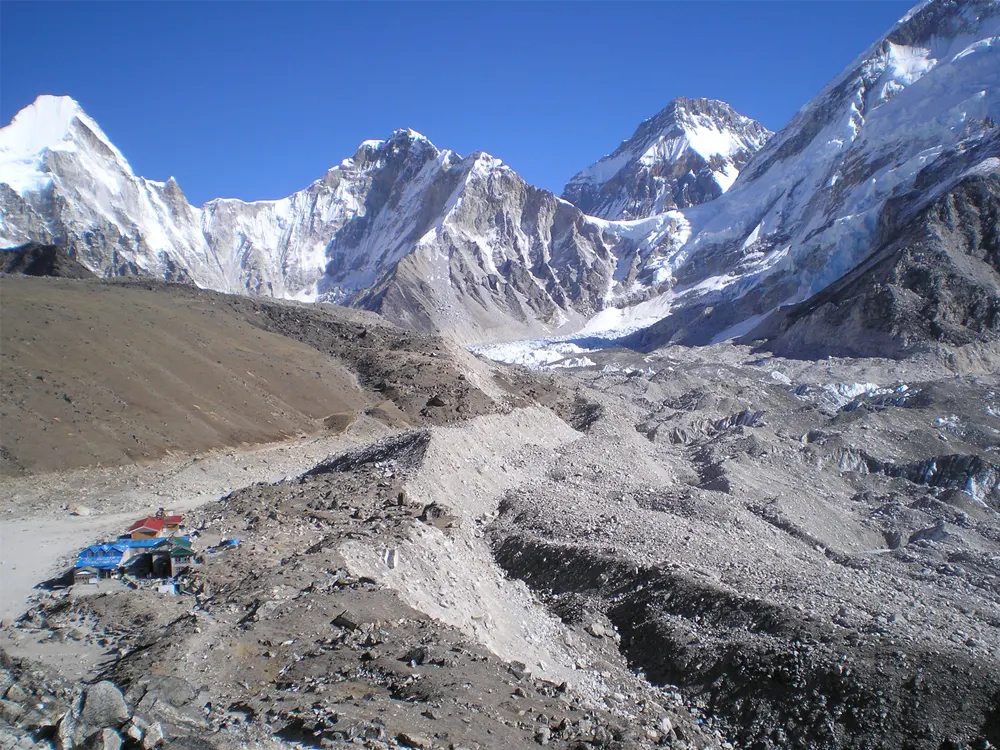
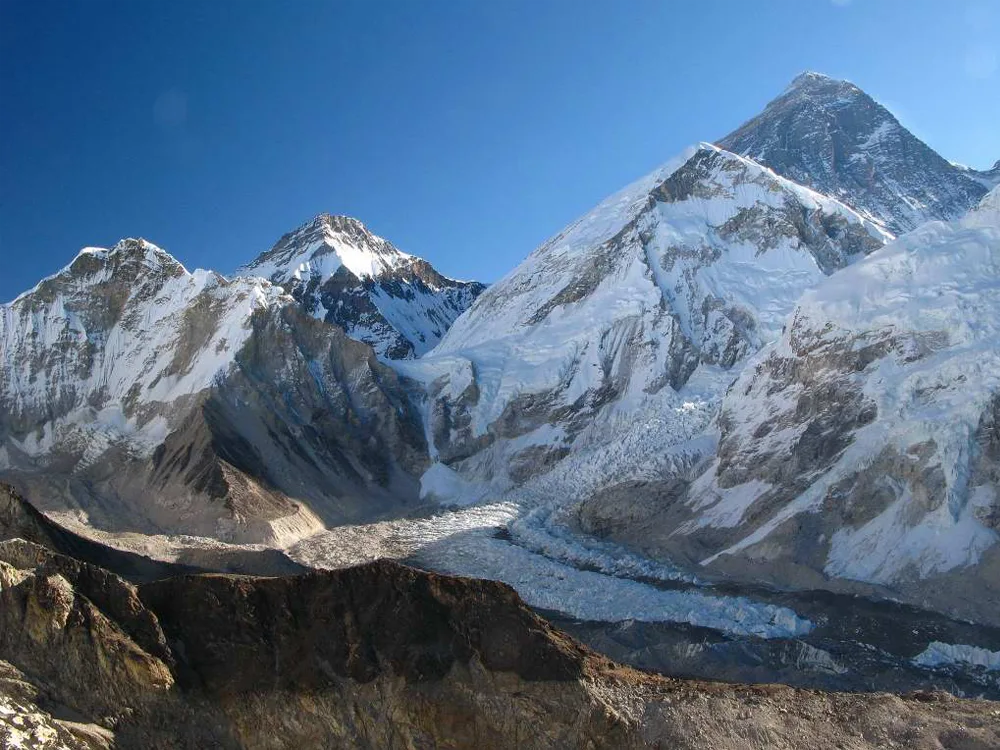
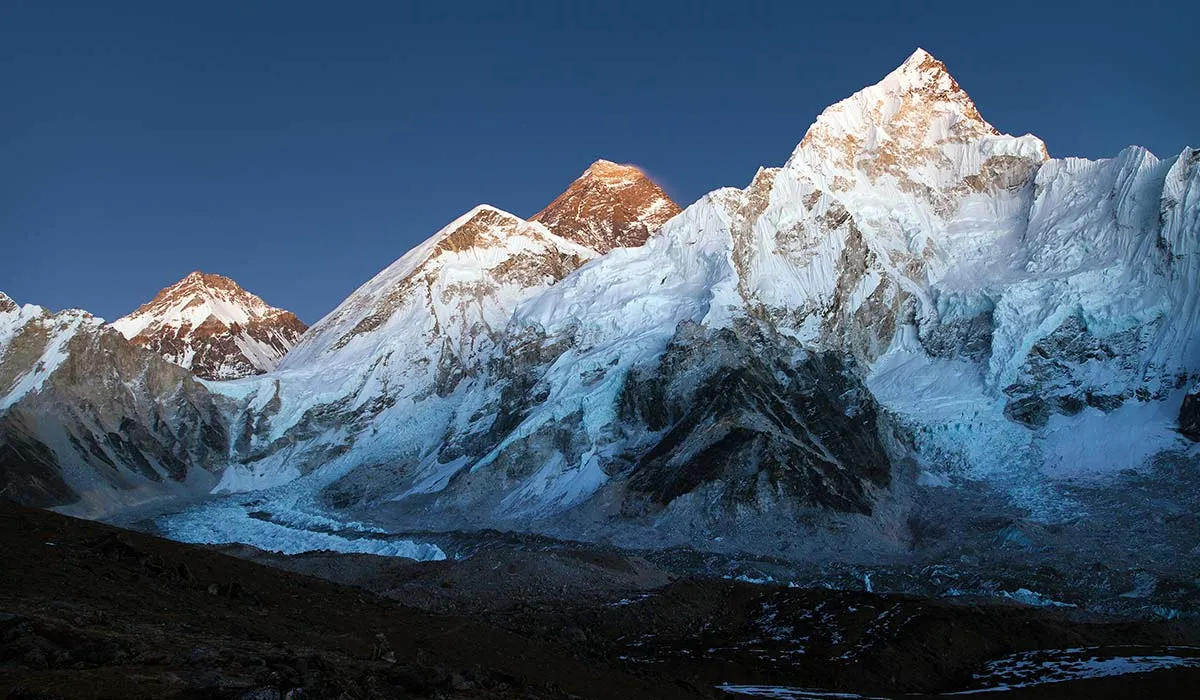
The Everest view trekking will give an excellent opportunity to enjoy the grandeur of the Everest Region during this short time. This trek, sometimes called the Everest view short trek, is 10 days in length. It offers a significant view of Mount. Everest and the peaks around it. Tailor-made for people with limited time who want to see the world’s highest mountains, it packs a punch of the itinerary whereby nature’s beauty, cultural richness, and excitement at altitude blend with each other.
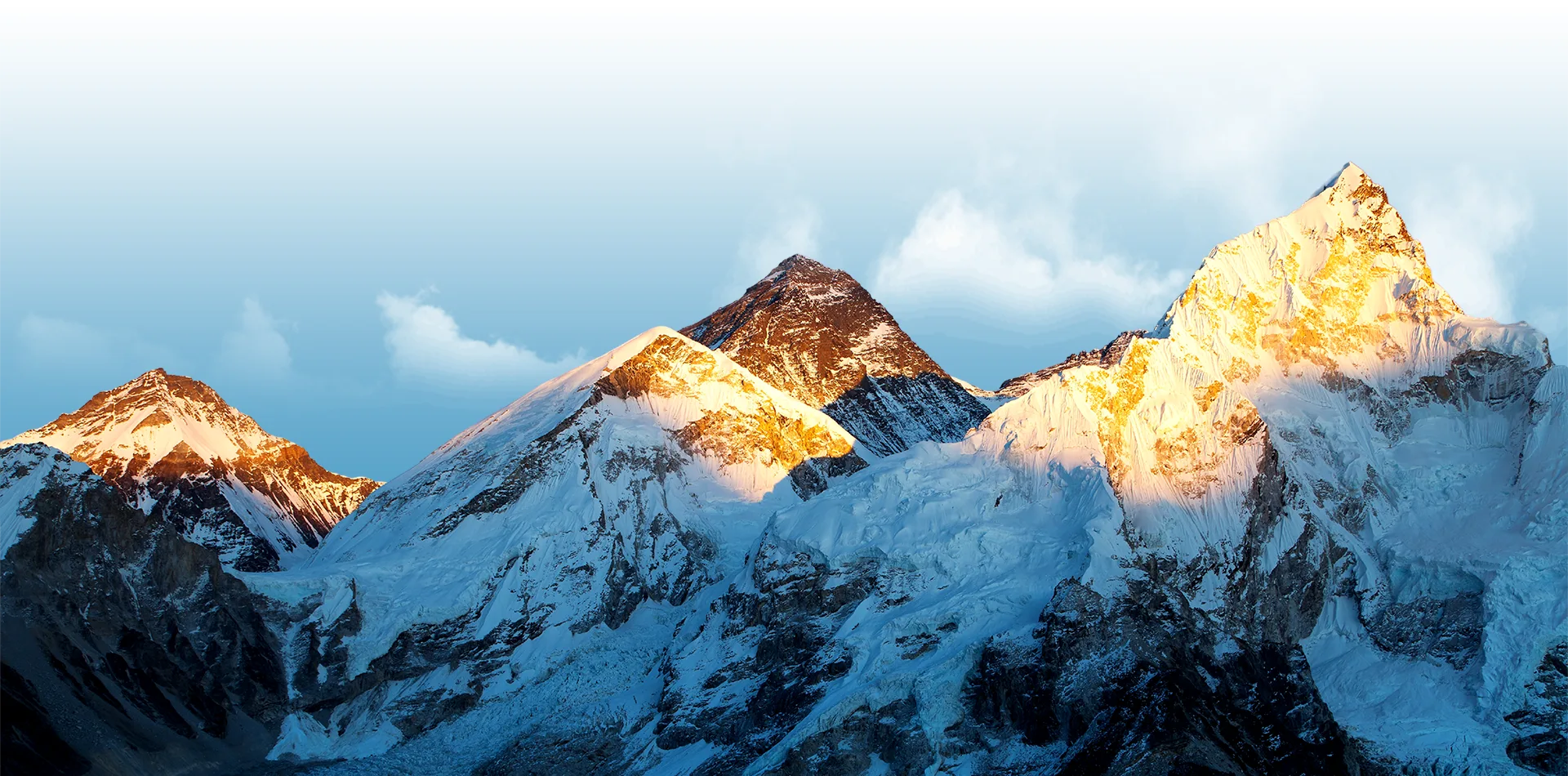
The trekkers will also have magnificent views of Mt. Everest, besides other awesome peaks like Ama Dablam at 6,812 meters, Thamserku at 6,608 meters, Nuptse at 7,855 meters, Pumori at 7,161 meters, and Kangtega at 6,782 meters. The trail passes through luxuriant forests, villages of ethereal beauty, and scenic valleys, with the towering snow-capped mountains always in the background.
The walk is culturally enriching as well since one will come across many Sherpa villages in order to learn their customs, traditions, and their warm hospitality. Even though this is a short-duration trek, it does provide an overview of the entire Everest view trek. It is suitable for trekkers of both novice and experience levels. With prime concerns of acclimatization and enjoying, it’s an ideal package for one in search of an adventure with the memories of Himalaya to be remembered in life.
SAVE
$7225
per person
US$ 8075
US $850 per person
- Owner operated
- Price match guaranteed
- Tailored made trip
- Secured online payment
No. of Persons
Price per Person
-
2 -
8 people
US$ 900
-
9 -
12 people
US$ 850
-
13 + people
9999
US$ 800

Trip Highlights
- Experience the mountains of Nepal up close
- Immerse in the rich cultures and traditions of mountain villages
- Explore the high Himalayan lifestyles of peoples
- Walk through the beautiful forests, peaceful villages and towering peaks
- Explore the Kathmandu Heritage Sites.
- Fly in one of the most adventurous flights of the world – Lukla Airport
- Make memories that will remain forever.

Detail Itinerary
Day 01: Arrive at Kathmandu international airport then transfer to the Hotel
You will be heartily welcomed by our representatives upon your landing at Tribhuvan International Airport, Kathmandu. They help you with your luggage and make a easy transfer to the hotel. Check into the hotel, refresh and rest for some time. Alternatively, if you prefer, spend some time exploring the local surrounding of your hotel to feel the energetic vibe of Kathmandu.
A complete briefing program will be undertaken in the evening, after which you will be provided with all travel details for the itinerary to help you get prepared for this ultimate adventure.

Activity: 30 Min Drive

Accommodation: Hotel

Meal: Welcome Dinner

Max Altitude: 1,340m/4,396ft. (Kathmandu )
Day 02: Full Day World Heritage Sites Tour in Kathmandu
This day, we will be visiting Kathmandu Valley, mostly UNESCO World Heritage Sites. After having a delightful breakfast, we will start on a sightseeing tour to some iconic and culturally rich destinations. First in the list are the Durbar Squares of Kathmandu, Bhaktapur and Patan. The beauty depicted in such ancient arts and architecture is just awesome. Kathmandu Durbar Square, which is actually a royal palace complex and is listed as a UNESCO World Heritage Site, contains a lot of intricately carved wooden structures and temples.
Following this are the Durbar Squares, after which we visit the holy sites like Pashupatinath Temple, Swayambhunath Maha chaitya and Bouddhanath Stupa. Visitors can deeply feel a dosage of spiritualism and peacefulness walking around these places and witnessing countless prayer flags flapping in the breeze.
In the evening, we will return to our hotel after a day so full of cultural explorations and spiritual enrichments, where you will be free to unwind and reminisce over the happenings of the day.
Activity: Full Day Heritage Sites Tour
Accommodation: Hotel
Meal: Breakfast Only
Max Altitude: 1,300m/4,265ft. (Kathmandu )
Day 03: Fly from Kathmandu to Lukla then trek to Phakding
After breakfast on the third day, there will start a scenic flight of 35-40 minutes toward the Tenzing-Hillary Airport located at Lukla, which is also considered one of the most thrilling flights one can experience. This flight provides wonderful views of the Himalayas and the variations of landscapes of Nepal.
The actual trekking part starts from Lukla. From here we start to trek to the village of Phakding, which is about four hours from here. At the beginning of the trail, it is generally downhill and quite smooth into the Everest short trek.
We reach Thado Koshi in about two hours after starting to move. Later the trail gradually rises to Ghat, a pretty village decorated in colored prayer flags and Mani stones. At last, we reach Phakding, where we stay for the night. As our journey continues to Phakding, the beautiful trail working through lush pine forests and across deep gorges crosses several suspension bridges over the roaring Dudhkoshi River.
The hill landscape is dotted with traditional Buddhist symbols in the form of prayer flags and Mani stones that add a spiritual dimension to this journey. It’s recommended to wear at the appropriate clothing in layers and eat plenty of healthy foods and get enough rest to prepare yourself for the entire trek.
Lukla Flight Information
Flights are operated daily from Kathmandu to Lukla throughout the year, and it is the easiest means to arrive in the Everest region. During the prime trek months from March to May as well as October, and November, the flights to Lukla are frequently transferred from Ramechhap/ Manthali Airport. This change is due to the increased air traffic at Tribhuvan International Airport, Kathmandu.
Flying time between Ramechhap and Lukla is just 15 minutes. A shorter time for a thrilling experience: an eye-level view over the rough terrain of the Himalayas. Trekkers are supposed to plan accordingly and should be aware of seasonal shifting in the flight operation for the proper start of a trek for an Everest view.
Activity: 35 Min flight then 3 hours hike
Accommodation: Lodge / Tea House
Meal: Breakfast / Lunch / Dinner
Max Altitude: 2,610m/8,563ft. (Phakding )
Day 04: Trek from Phakding to Namche Bazar
On the fourth day of our Everest view trek, after camping overnight in Phakding, the trail will gain further altitude up to Namche Bazaar at 3,440 meters. The initial part of the path is fairly flat, so it’s a gentle start to the trek. We will cross two suspension bridges. After the bridges, it gets quite steep, with many staircases.
The first view of Mount Everest itself would be about halfway up the hills and actually comes into view from a public restroom. This is quite a surprise and gives us a feel-good preview of what’s in store for us.
Continuing upwards for 30 minutes, we will reach the permit checkpoint called Sagarmatha National Park permit checkpoint. Another 15 minutes’ walk and we finally arrive in Namche Bazaar. Namche Bazar is the town with bars, coffee shops, teahouses, and souvenir shops.
Indeed, Namche Bazaar is the last of the civilized comforts on the route to camp. It is also the last opportunity to make whatever purchases you may have neglected to bring with you.
Activity: 5-6 Hours Hiking
Accommodation: Lodge / Tea House
Meal: Breakfast / Lunch/ Dinner
Max Altitude: 3,440m/11,286ft. (Namche Bazaar )
Day 05: Trek from Namche to Tengboche
The next day, after a day in Namche Bazaar for acclimatization, we continue our trek from Namche to Tengboche. On the way to Tengboche, we enjoy mountain peaks and panorama view of Mount Kantega, Thamserku, and Mount Kusum Kangru. Gradually the trail descends and then gently ascends, taking us to a stone gate built by Lamas, the entrance to Tengboche.
Tengboche offers some of the most magnificent sunset views of Mount Everest which is situated at an altitude of 3,860 meters probably the major highlight of the Everest view trek.
The beautiful Tengboche Monastery is located in Tengboche, a peaceful village with a magnificent view of the Himalayas in Deboche, adding to the spirituality of the atmosphere. Warm clothes and trekking boots are a must due to the cold weather at this altitude.
Activity: 4-5 Hours Hiking
Accommodation: Lodge / Tea House
Meal: Breakfast / Lunch / Dinner
Max Altitude: 3,860m/12,664ft. (Tengboche)
Day 06: Trek from Tengboche to Khumjung
On the sixth day, we will see the Mount Everest during our trek while descending to Tengboche and move further down to the beautiful village of Khumjung. From Tengboche, the descent is through forests of rhododendron, pine, and fir.
The trail is embellished with magnificent views of the surrounding mountains, which include Ama Dablam and Thamserku when looking back from the downside, creating an awesome backdrop as we go down the hills path continues, crosses a suspension bridge over the Dudh Koshi River, and we feel a cool breeze with the rushing sound of water from below.
Then, it ascends but still gently, through open landscapes and wooded areas, thus providing diverse conditions for trekking. Mani walls, chortens, and prayer wheels line our way and provide a spiritual feel to our journey.
One of the most beautiful villages in the Himalayas, Khumjung consists of stone houses and terraced fields with community life in full bloom. This village offers the unique chance to experience Sherpa life amidst magnificent landscapes of the Himalayas.
Activity: 4-5 Hours Hiking
Accommodation: Lodge / Tea House
Meal: Breakfast / Lunch/ Dinner
Max Altitude: 3,790m/12,434ft. (Khumjung)
Day 07: Trek from Khumjung to Manjo
After breakfast in the morning, the eighth day will be taken for the trek from Namche Bazaar to Manjo, a village with a lot of charming beauty. The trek begins with a gentle drop from Khumjung and leads through lush forests of rhododendron and pine trees.
As we continue with the trail, occasionally the views of the surrounding mountains and valleys can be seen in the backdrop, making a very picturesque setting for the walk. The trail is properly marked and relatively easy: therefore, it is fit for most trekkers looking for comfort.
Onward, we will find several suspension bridges where we will cross over the Dudh Koshi River. We reach MONJO, a village at an elevation of about 2,835 meters, after walking for a few hours. Monjo is the entrance of the Sagarmatha National Park, and the village is famous for its peaceful and charming ambiance. This village lies surrounded by green hills and vistas of surrounding peaks.
Activity: 4-5 Hours Hiking
Accommodation: Lodge / Tea House
Meal: Breakfast / Lunch / Dinner
Max Altitude: 2,835m/9,301ft. (Monjo)
Day 08: Trek from Manjo to Lukla
After breakfast, we will trek a series of gentle ups and downs, following a relatively easy trail back to Lukla. This day is what one would like to call a scenic, laid-back finale to our Everest view trek. We will get across several crossings of suspension bridges as we go along the trail.
The path is well-marked, meandering through villages and dense forests, leading to a serene, which is indeed a quite comfortable way of walking. After a few hours of hiking, we reach the town of Lukla, standing at an altitude of 2,860 meters. Lukla is a very lively settlement, with many treks to Everest starting and finishing here.
There is quite a good range of amenities and guesthouses available just the right place to have rest and spend the night before returning home. This last day in Lukla is the best way to relax, but it is one of those moments to relive what we did up until now on our trek through the land of majestic Mount Everest. The next morning will be the flight back to Kathmandu.
Activity: 5-6 Hours Hiking
Accommodation: Lodge / Tea House
Meal: Breakfast / Lunch / Dinner
Max Altitude: 2,860m/9,383ft. (Lukla )
Day 09: Fly Back from Lukla to Kathmandu.
On the last day of our Everest view trek, we will take early morning flight from Lukla head back to Kathmandu. It concludes the 10-day Everest trekking adventure that will provide lots of opportunities to reflect on the incredible journey undertaken.
This flight from Lukla offers a beautiful and thrilling end to the trek, topping everything off with one final perspective of the Himalayas from the air. As we bid farewell to these majestic mountains, we have the opportunity to reflect on memories of landscapes that were literally breathtaking, beautiful villages and spiritual encounters that have defined our Everest short trek.
Delays while returning from Lukla are common, so it’s better to plan for it. Flights are subjected to unpredictable weather conditions. Cancellations or delays are frequent. Therefore, at least allow one or two days more in your travel schedule to shift peacefully to Kathmandu.
After arrival in Kathmandu, you will have time to rest and look around the town. The cultural and historical lifestyle and food of Kathmandu makes a perfect end to your trekking adventure.
Activity: 35-45 Min Flight
Accommodation: Hotel
Meal: Breakast Only
Max Altitude: 1,300m/4,265ft. (Kathmandu )
Day 10: Departure from Kathmandu to Home or join Onward Journey
Our representative will assist you on the last day of your Everest View trek with a hotel check-out in Kathmandu and will ensure that you have a smooth transfer to drive you to Tribhuvan International Airport. After a heartfelt goodbye, you will fly back to your home country, marking the closing of 10 days of your Everest trekking adventure. Nepal has more to offer if any of you want to extend your journey.
Let us help you design a new adventure where you might find yourself soaking in a bit more of Nepal’s nice landscapes, rich culture, as well as historic sites. Whether you go back home or further travel, we are here to assist your travel needs and make sure that you create those unforgettable and enriching moments while you are in Nepal.
Activity: 30 Min to Airport
Accommodation: NA
Meal: Breakast Only
Max Altitude: 1,340m/4,396ft. (Kathmandu )
If our standard itinerary doesn't fully meet your needs, we are happy to tailor it to your specific preferences and requirements.

Includes and Excludes
What’s Included?
- All airport picks up and drops by private vehicle. (international and domestic)
- Complete information, about trek, flight ticket, trekking crews and altitude sickness before the trek starting.
- First 2 nights and last 1night hotel in Kathmandu with breakfast.
- Flight ticket from Kathmandu to Lukla to Kathmandu only 15 kg luggage allowed. (10 KG Big bag & 5 KG hand bag)
- Flight ticket from Kathmandu to Lukla back to Kathmandu for member and involved crew members.
- Full board meals throughout the trek (breakfast, lunch and dinner included chosen from lodge menu)
- Twin share mountain lodge accommodation during the trek.
- As per group size experience, government licensed holder trek guide, helpful & friendly porters (1 porter =2 people) and their food, accommodation, salary, equipment, and accidental insurance for all staff. (6 trekkers 1 assistant guide)
- Down jacket and four seasonal sleeping bags will be provided during the trekking (down jacket and sleeping bag are to be returned after the trip)
- Trekking permit fee (Sagarmatha National Park entry ticket and Rural Village Entry Ticket)
- Himalayan idol Adventure Company’s Logo’s trekking bag/duffel bag, t-shirt and trekking trail map.
- First Aid kits for the staffs and the groups, including Oxi-meter and Diamox tablets
- Services coordination for emergency and helicopter rescue operations
- Government taxes & Company service charge
- Farewell/ welcome dinner at Nepali culture restaurant
- Trips achievement Certificate
- Heritage sites entry tickets
What is not Included?
- Meals not included.
- Travel insurance (Compulsory)
- Nepal entry visa charge.
- All beverages and others personal expenses.
- Snacks and other personal expenses.
- Battery charge, hot showers & international phone calls.
- Service not mentioned above.
Trip Information of Everest View Trek
Best Seasons
The best season to do the Everest view trek are during spring and autumn for the best conditions. Spring—late March to May—provides temperatures of 25°C during the day and -15°C during the night. It provides clear skies with the beauty of the blooming flowers and mountains, hence perfect for the treks. Autumn—September to November—maintains temperatures ranging from 12-20°C during the day and between 3°C and –7°C at night, which is equally clear and dry, thus being perfect for views and refreshing weather.
Winter, from December to February, is the harshest period, with the temperatures going as low as -4°C in Namche Bazaar and -10°C to -8°C in higher altitudes during the day and -7°C to -15°C at night. While winter conditions do not make trekking impossible, extra thermal layers and special equipment may be required, and possibly more days added to the itinerary because of the slower conditions of trekking. On the other hand, the winter clear skies and fewer crowds, along with lower costs, do offer a quiet time for the prepared adventurer to trek freely without any hassle.
Difficulty & Altitude Sickness
The Everest view trek is a rather moderately done kind of trek, where one would normally walk no more than 8 hours in a day. Previous technical experience is not required, although physical and mental preparation does help in the task. As much as it is with a rating of a moderate form of difficulty, altitude illness, unpredictable weather, and rough routes may pose major risks. A major risk is altitude sickness. It causes headaches, dizziness, nausea, and even shortness of breath.
The risk can be minimized by trekking gradually, acclimatizing oneself at higher altitudes, keeping one’s body well-hydrated and returning to a lower elevation with medical help in case of persistence of the symptoms. Diamox prevents altitude sickness but surely is not the cure for altitude sickness. In severe cases of emergency, it may be necessary to perform helicopter evacuation to Kathmandu for further medical care. Proper awareness and preparation are needed to ensure a safe and enjoyable Everest view trek.
Accommodation
During the Everest view trek, you will be accommodated in local Sherpas’ operated cozy tea houses and guest houses. These particular ‘Tea Houses’ are well facilitated lodges that offer services such as Bed and all kinds of meals; despite being called a ‘Tea Houses’. Accommodations are warm and cozy, with facilities available on a twin-sharing basis or single supplement as per your budget. Mountain washrooms mostly have European-style squat toilets, commodes or a combination of both.
You will have a comfortable stay in tourist-standard hotels with basic needs in Kathmandu before and after treks. On the trek, you will be staying your nights in the high Himalayan tea houses on a twin sharing basis. The Everest view trek offers to provide you with pleasant and well-catered stays throughout your journey.
Foods & Drinks
During the Everest view trek, foods are prepared according to one’s preferences, such as vegetarians and non-vegetarians. Breakfast includes eggs, toast, mountain bread, potatoes, pancakes, and porridge all of which would give sufficient energy for a day’s activities. There is a lot of variety for lunch and dinner: noodles, soups, spring rolls, potatoes, burgers, Momo, pizza, and Dal Bhat—a typical Nepali food where you can refill rice, curry, lentil, and pickles free.
There is cold and hot water, tea, coffee, soft, and hard drinks. The prices of food and drink differ on the Everest trail. Prices are a bit more expensive than in cities. The meals will cost from NPR 800 to NPR 1500, the drinks – from NPR 300 to NPR 600. To save some money during the trip, please pack some dry snacks, energy bars, and water purifier tablets beforehand. Your costs for breakfast, lunch, and dinner are in our package. Any foods and drinks other than provided 3 meals, will be on your expense.
Charging Gadgets & Internet
You can charge all the electronic devices throughout the Everest view trek, but sometimes it might be extra. Charging of the electronic devices is free up to Namche Bazaar. From then onwards, you will have to leave your devices with the owners of the tea houses since personal rooms do not have charging ports. For phone and camera charging, you will pay around NPR 250 to NPR 400.
For power banks, it is from NPR 500 to NPR 600. The Everest region is specially covered by a scheme known as Everest link. Wi-Fi cards can be bought at Everest Link Sales Stations in Kathmandu, Namche Bazaar, Lukla, Gokyo and Dingboche as well as at the teahouses along the trail. The price for this Wi-Fi is NPR 1,999 for 10 GB and NPR 2,999 for 20 GB, with both being valid for 30 days, covering the whole area of Everest Base Camp. Alternatively, buy a Nepali SIM card (NCELL) in Kathmandu for about USD 1 or pay a higher price in Namche and Lukla. Anyway, this SIM card will serve only up to Tengboche.
Permits
The Everest View Trek is done in a protected area, and thus you need two important permits to get to Everest Base Camp. The first of these is the Khumbu Rural Municipality Permit, which gives permission for admission into the area of Khumbu. It will cost each person NPR 2,000 for four weeks and NPR 2,500 per person thereafter. Get this at Lukla with a valid passport.
There is a need obtain Sagarmatha National Park Entry Permit to access the Sagarmatha National Park. This costs USD 30 for international tourists, USD 15 for SAARC nationals, and NPR 100 for Nepali nationals. You can get this at the entry gate of Monjo as well as the Nepal Tourism Board situated in Kathmandu. The costs of these permits are included on your package and we will obtain all the required permits for you.
Trekking Insurance
Another important consideration while going on an Everest view trek is getting a travel and trekking insurance. This insurance will cost around USD 250 to cover a 15-day trek. Ensure it covers all emergencies as well as medical evacuation. Check that your policy covers altitudes from 3,000 to 6,000 meters with helicopter evacuation if you have severe altitude sickness. This insurance will help safeguard you so that your mind can be at rest for this 10-day Everest short trek.
Transportation
The time of year will determine your Everest view trek with your flights from Kathmandu to Lukla. During peak seasons—from March, April, and May, then from October and November—the flights are from Ramechhap since there will be increased airline traffic. You have to take a drive of about 5-6 hours from Kathmandu to Ramechhap, from where a flight of 20 minutes at USD 176 per person will bring you to Lukla. One can also take a direct flight to Lukla from Kathmandu in other months of the year, like January, February, June, July, August, September, and December.
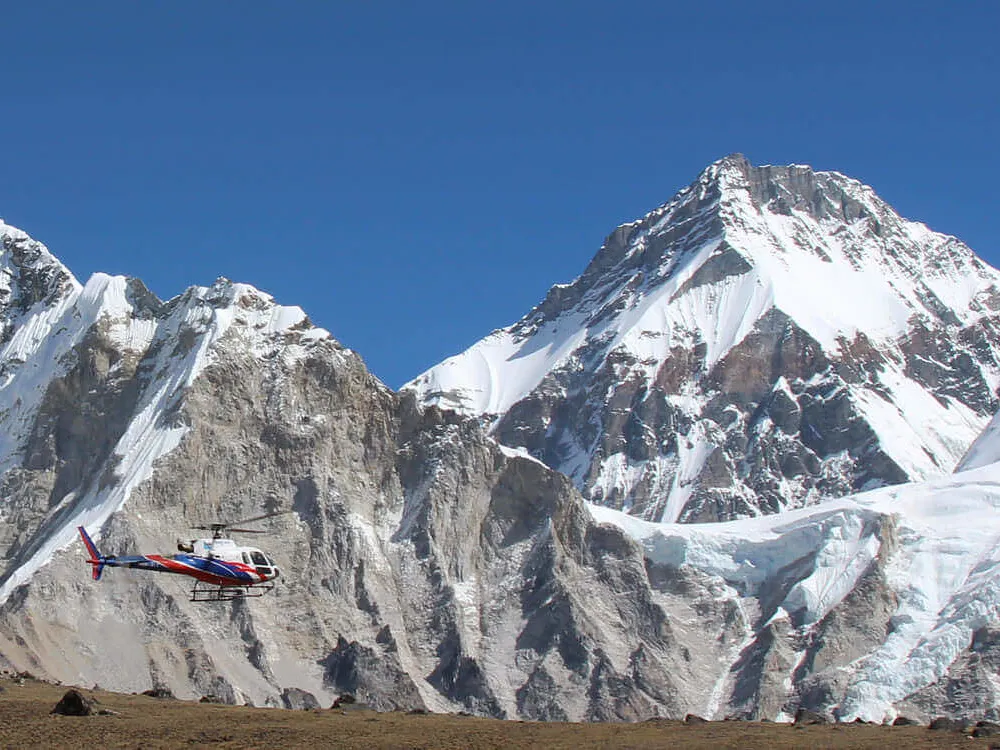
This 35-minute flight will cost approximately USD 217 per person, with the price depending on nationality. You can also use a helicopter for 45 minutes, but it will be on your own, at around USD 350-450 per person for all nationalities. Please note that using the helicopter will result in an extra charge that you must pay from your pocket. Our package includes round way flight tickets either from Kathmandu or Ramechhap in cost, but if traveling by chopper, then you need to pay an extra fee.
Elevation & Distance
This Everest view trek is complete exposure at different altitudes and distances to the Everest region. Starting from Kathmandu at 1,300 meters, it begins with a 30-minute flight to Lukla at 2,860 meters. From the very start in Lukla, the first trek toward Phakding at 2,610 meters would amount to about 8 km. From Phakding, the next 11 km would reach Namche Bazaar at 3,440 meters, along the Dudh Koshi River and up through pine and cedar forests.
The next stretch from Namche to Tengboche, at 3,860 meters, is about 10 km with views of the Everest panorama. From Tengboche to Khumjung, at 3,790 meters, it is about 6 km of trekking.
Then from Khumjung to Manjo, at 2,650 meters, it is 10 km; to Lukla the next day, still another 12 km walk. The trek ends with a flight back to Kathmandu. All distances are approximate and vary on the trail and conditions.
Can a Beginner Do This Trek?
Yes, an Everest view trek is easily done by a beginner. As a matter of fact, compared to Everest Base Camp, there are lesser difficulties in this trek which makes it ideal for someone who is just starting their journey in trekking. It calls for a good dose of preparation in the form of regular hiking, strength training, and good gear.
Even then, it’s doable for a beginner if properly acclimatized and supported by a guide, after which they’ll get to enjoy stunning Himalayan views and Sherpa culture. Make sure you prepare your body well and go for a well-organized trek so that you can enjoy the journey.
Preparation & Physical Fitness
Though the Everest view trek is difficult, one can still make it through with proper training. To develop endurance, begin with long walks and hikes at least twice a week; the best training is done in conditions similar to the Everest region. The gym will help in developing your legs for steep ascents and descents; you may use a treadmill and stair machine while workouts, including cardio, are done 2-3 times a week to help in acclimatization and focus at high altitude.
Apply a well-rounded diet, rich in calories and high in protein for muscle building and good health. Allow sufficient time to become fit for it; progress gradually; and use quality gear to minimize the risks involved. Train yourself properly and have the right gear, one can successfully execute the Everest View Trek.
What to Expect From the Trek?
The first thing to expect on the Everest view trek is to prepare for uncertainties. Himalayan weather can sometimes disturb the flights to and from Lukla. In general, the area’s landscape is moderate, with some steep ascents and equally steep descents one can expect along the way. Though considered one of the easier treks, altitude may prove a factor for some trekkers, and it is not uncommon for people to experience some mild symptoms of altitude sickness due to reduced oxygen levels in the air.
Accommodation and food are available in abundance, with obvious inflation the higher up the mountain you climb. The Sherpas are very hospitable, but their customs have to be respected. Always be prepared for change at any given time and adjust expectations accordingly. If well prepared, the trek offers great vistas; if ever so full of unforgettable experiences.

Frequently Asked Questions
The highest point of the Everest View Trek is 3860m at Tengboche.
No, mount Everest is not visible from Pokhara.
Yes, the Everest View Trek is easier than Everest Base Camp Trek because it doesn’t go as high as EBC in terms of elevation, and the duration is also less.
The Everest View Trek is one of the easiesttreks to see Mount Everest.
Yes, a beginner can easily do this trek with proper training and preparation.
SAVE
$7225
per person
US$ 8075
US $850 per person
- Owner operated
- Price match guaranteed
- Tailored made trip
- Secured online payment
No. of Persons
Price per Person
-
2 -
8 people
US$ 900
-
9 -
12 people
US$ 850
-
13 + people
9999
US$ 800
 Testimonial
