

Booking open: Secure your trip early for the seasons 2026 & 2027


Tibet Lhasa Overland Tour

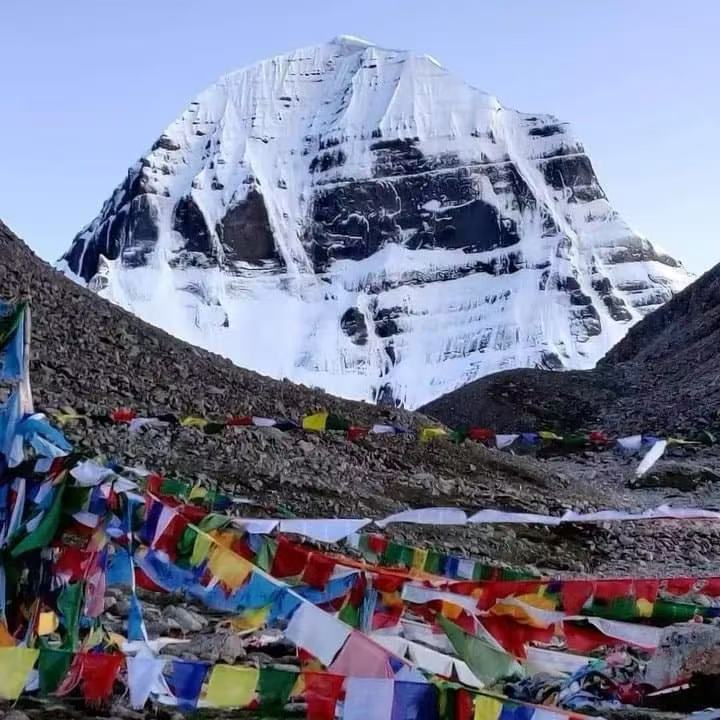
Quick facts about Tibet Lhasa Overland Tour

Duration
8 Days

Trip Grade
Difficult

Maximum Altitude
5220m

Group Size
2 to 25 People

Starts
Kathmandu

Ends
Kathmandu

Accomodation
Teahouse/ Hotel

Best Time
Autumn, Spring


Trip Overview
The Tibet Lhasa Overland Tour is an exciting journey that takes you from Nepal into the heart of Tibet by road. Instead of travelling directly to Lhasa, you are travelling through different landscapes, culture and altitudes to experience the gradual change. You will also cross mountain passes, serene lakes, traditional Tibetan towns and mountain valleys on the way to Lhasa which is the spiritual heart of Tibet.
It starts with a beautiful drive from Kathmandu to the Kerung border. Once you have passed immigration procedures, you cross into Tibet and then through the vast open valleys and stunning scenery of Tibet. As the journey continues, you will cross famous mountain passes, including Lalunga Pass (5,050 m / 16,568 ft), Gyatchu La Pass (5,220 m / 17,126 ft), Karo La Pass (5,010 m / 16,437 ft) and Khamba La Pass (4,794 m / 15,728 ft). From these different perspectives, you can enjoy unforgettable panoramic views of the snow-covered mountains and the huge Tibetan Plateau.
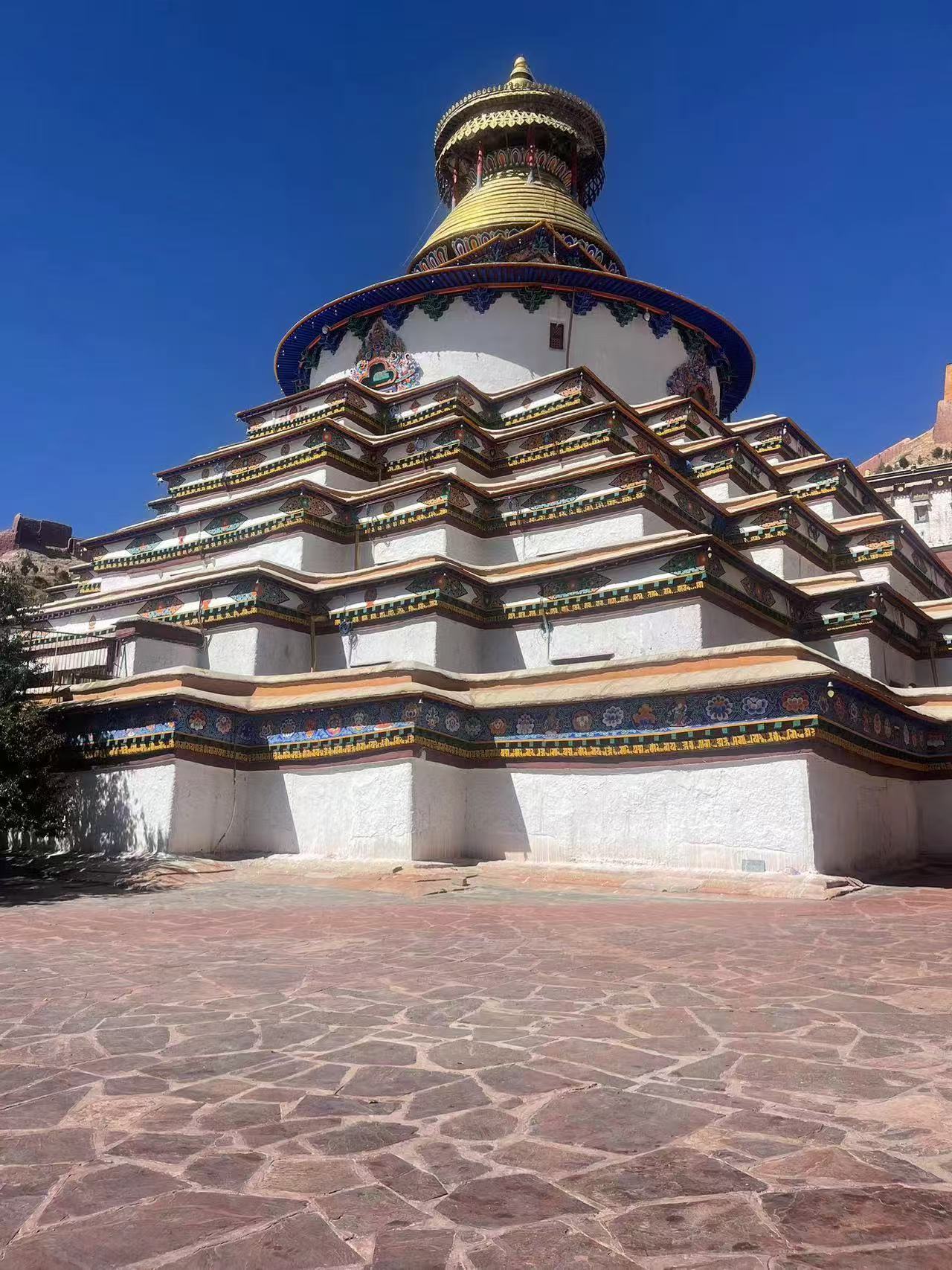
The Lhasa Overland Tour also lets you get familiar with Tibet’s rich cultural and religious heritage. The significant monasteries of Tashilhunpo in Shigatse, the historical Khumbum Stupa and Phalkor Monastery in Gyantse and then the famous Potala Palace, Jokhang Temple, Drepung Monastery, Sera Monastery and Barkhor Bazaar in Lhasa are among the highlights. These locations provide a more in-depth knowledge of Tibetan Buddhism, local customs and living.
Another highlight of the journey is the natural beauty along the route. You’ll be able to enjoy views of the turquoise waters of the Yamdrok Lake, drive along the banks of the Yarlung Tsangpo River and on clear days, distant views of Mount Everest (8,848.86 m / 26,906 ft), Cho Oyu (8,201 m / 26,906 ft) and Shishapangma (8,027 m / 26,335 ft). Each day will bring new scenery and the trip is as much as the destination is.
Tibet Tour from Kathmandu will be an ideal tour for those who don’t want to do long and tough tourking. The trip is mostly by vehicle; walking is used for sightseeing. The tour goes up to high altitude but the overland way makes many tourists more comfortable after the tour than after a direct flight to Lhasa.
From learning about Tibetan culture to visiting Buddhist monasteries, hiking the mountains or enjoying a great road trip through the Himalayas, this trip is sure to be a memorable one. Himalayan Idol Adventure ensures that all travel arrangements are taken care of, from permits to transportation, experienced guides to local support, ensuring that you can enjoy your trip with confidence.
Route Overview
Tibet Lhasa Overland tour from Kathmandu with overland excursion to Tibet via the Kerung border. Crossing the wide-open landscapes and high mountain passes, after immigration formalities, the trip heads for Shegar. The trail then heads to Shigatse, the 2nd biggest city in Tibet and on to the ancient town of Gyantse.
You will continue from Gyantse through Yamdrok Lake, over Karo La Pass (5,010 m / 16,437 ft) and Khamba La Pass (4,794 m / 15,728 ft) and finally into the spiritual and cultural hub of Tibet, Lhasa. You will be visiting many of the most famous sites like Potala Palace, Jokhang Temple, Barkhor Bazaar, Drepung Monastery and Sera Monastery in two full days. This tour is closed with a transfer to Lhasa Gonggar Airport for you to depart to Kathmandu or other places in Mainland China, making the whole trip to Tibet enormously unforgettable.
- Owner operated
- Price match guaranteed
- Tailored made trip
- Secured online payment

Trip Highlights
- Tour through the Kerung border with scenic overland tour from Kathmandu to Lhasa.
- Cross the famous passes of the Himalayas among Lalunga Pass, Gyatchu La Pass, Karo La Pass and Khamba La Pass.
- Take in the stunning scenery of Yamdrok Lake, one of Tibet’s most well-known turquoise lakes.
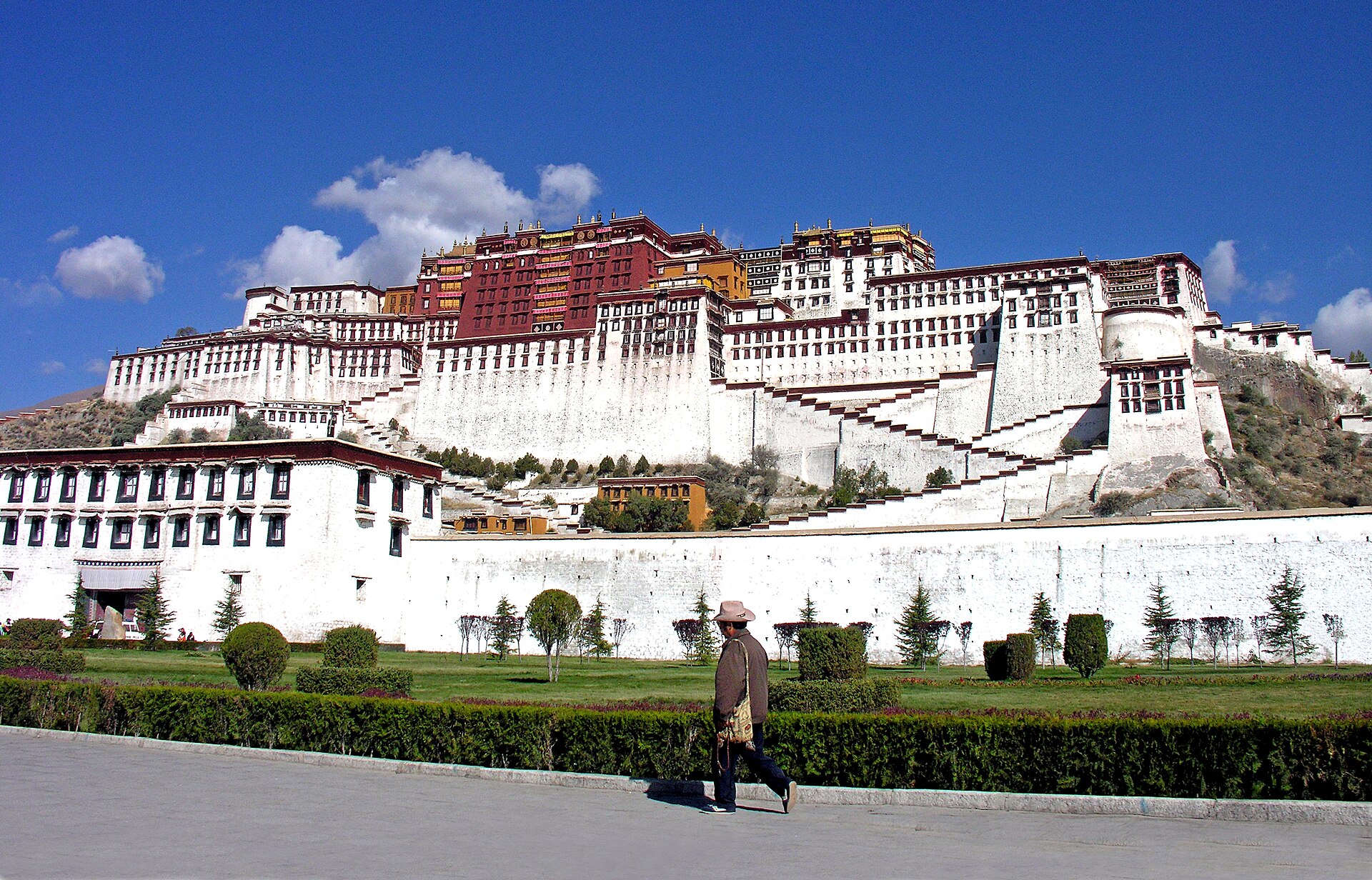
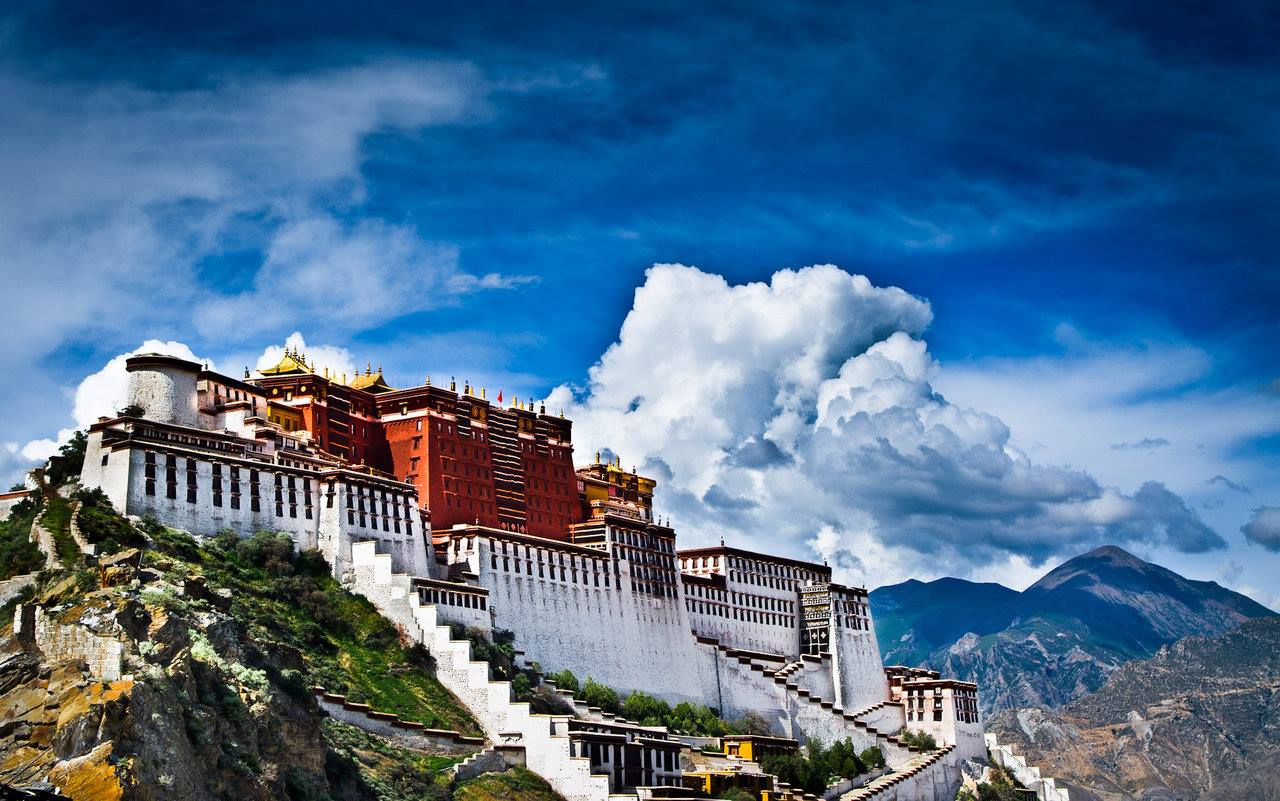
- See the historic Potala Palace, the old Dalai Lama’s winter residence.
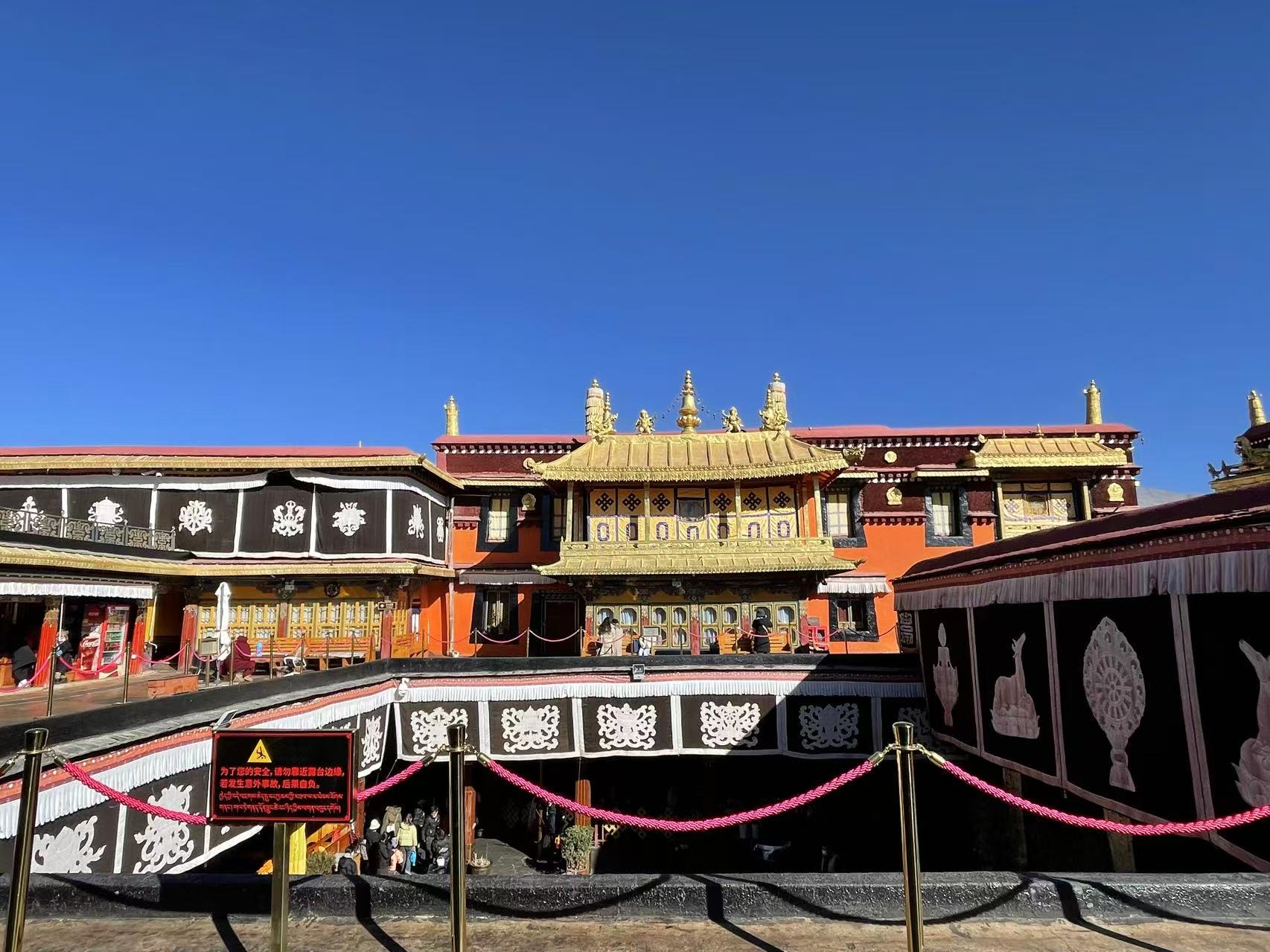
- Explore the sacred Jokhang Temple and walk through the lively Barkhor Bazaar.
- Visit the traditional residence of the Panchen Lama – Tashilhunpo Monastery.
- See the once-in-a-lifetime Khumbum Stupa and historic Phalkor Monastery at Gyantse.
- Cross the vast Tibetan Plateau in a land of ever-changing mountains and valleys.
- Enjoy the distant views of Mount Everest, Cho Oyu and Shishapangma (weather permitting)
- Enjoy Tibetan culture, Buddhist tradition and hospitality along the way.

Detail Itinerary
Day 01: Drive from Kathmandu to Kerung (Kyirong)
You will start the drive from Kathmandu early in the morning in the direction of the Nepal-Tibet border along the Pasang Lhamu Highway. The road winds through hills, rivers, small villages and beautiful rural scenery. You will be able to carry out immigration and customs clearance at the border before entering Tibet.
On the Tibetan side, you will be met and helped with the rest of the formalities by your local guide. The road then goes up gradually towards the border town of Kerung, which is a peaceful place surrounded by mountains.
A first day to get used to the higher altitude before heading further into Tibet. Once you have arrived at your guesthouse, you can enjoy a relaxing time and plan for your trip.

Activity: 8 hours Drive

Accommodation: Guesthouse

Meal: Breakfast

Max Altitude: 2,550m/8,366ft. (Kerung )
Day 02: Drive from Kerung to Shegar
Following breakfast, you’ll cross the expansive Tibetan Plateau en route to Shegar. The trail winds through open valleys, grasslands and high mountain landscapes and really feels like you’re driving across the Roof of the World! The drive is long and with great natural views.
Today’s high point is Lalunga Pass (5,050 m / 16,568 ft). If the weather is clear, you can enjoy views of Cho Oyu (8,201 m / 26,906 ft) and Shishapangma (8,027 m / 26,335 ft). On your way up to Shegar, you’ll also get a first glimpse of the distant Mt Everest (8848.86 m / 29031.7 ft). Guest house for an overnight stay.
Activity: 7 Hours Drive / Sightseeing
Accommodation: GuestHouse
Meal: Breakfast
Max Altitude: 5,050m/16,568ft. (Shegar)
Day 03: Drive from Shegar to Shigatse
The route of the day will take you from Shegar to Shigatse, the second largest city in Tibet. This road traverses lovely mountain scenery and passes through wide valleys, traditional Tibetan villages and open landscapes. You will pass through several small villages, each with a different character that embodies the local way of life.
The day starts with crossing Gyatchu La Pass (5,220 m / 17,126 ft). There is the well-known Thangka Wall in Shigatse as well, on which you can see important religious items on your way to the city. Upon arrival, you will register at your hotel and get some time to rest or wander the area.
Activity: 7 hours Drive
Accommodation: Hotel
Meal: Shigatse
Max Altitude: 5,220m/17,126ft. (Shigatse)
Day 04: Drive from Shigatse to Gyantse
After breakfast, you will be visiting the Tashilhunpo Monastery, one of the most important monasteries in Tibet, where the Panchen Lama used to live. It is also possible to familiarize yourself with the local market where the local people gather to both sell and purchase local products.
Next, you will cross Tibet’s fertile farming area to the historic town of Gyantse. You will be visiting here the renowned Khumbum Stupa and Phalkor Monastery, both of which have beautiful architecture and religious significance. After sightseeing, you can have an overnight stay in your hotel.
Activity: 2 hours Sightseeing
Accommodation: Hotel
Meal: Breakast
Max Altitude: 3,860m/12,664ft. (Tibet)
Day 05: Drive from Gyantse to Lhasa
You will be traveling to Lhasa, Tibet’s cultural and spiritual hub, today. The ride is a scenic journey through the stunning landscapes of the mountains and some iconic sites. Along the way, you will cross Karo La Pass at (5,010 m / 16,437 ft) and Khamba La Pass at (4,794 m / 15,728 ft).
You will also stop at the blue waters of Yamdrok Lake, one of the most beautiful lakes of Tibet. Later, the road crosses the Yarlung Tsangpo or Brahmaputra River. It is possible to see the Potala Palace above the city as they approach Lhasa. Accommodations at your hotel overnight.
Activity: 8 hours Sightseeing
Accommodation: Hotel
Meal: Breakast
Max Altitude: 5,010m/16,437ft. (Tibet )
Day 06: Full day Sightseeing in Lhasa
The focus of today’s trip is to learn about the cultural and religious events in Lhasa. The visit to the Potala Palace, the former winter residence of the Dalai Lama, will allow you to learn some history of Tibet and appreciate its magnificent architecture.
Next on the tour is a visit to Jokhang Temple, the most sacred temple in Tibet and Barkhor Bazaar, where pilgrims and traders converge. You’ll also visit two of Tibet’s biggest monasteries, Drepung and Sera, which are famous for their serene environment and their traditions. Return to your hotel for the night after a whole day’s sightseeing.
Activity: Full Day Sightseeing
Accommodation: Hotel
Meal: Breakfast
Max Altitude: 3,655m/11,991ft. (Lhasa )
Day 07: Full Day Sightseeing in Lhasa
It will take you another day to explore more of Lhasa’s cultural highlights. This is the second day for sightseeing, where you can visit the city’s iconic sites at your own speed and immerse yourself in the local culture and customs.
This can be quite a bit longer depending on time available, to visit Potala Palace, Jokhang Temple, Barkhor Bazaar, Drepung Monastery and Sera Monastery. Visiting Lhasa by foot also offers insights into local culture and allows visitors to engage with the people of the region. Eve, head back to your hotel for one last night in Tibet.
Activity: Full day Sightseeing
Accommodation: Hotel
Meal: Breakfast
Max Altitude: 3,650m/11,975ft. (Lhasa)
Day 08: Departure from Lhasa
Following breakfast, depending on the timing of your flight, you will be driven to Gonggar Airport for your flight. Today is the end of your Tibet trip; you will depart by plane to Kathmandu or another place in mainland China. Tickets to fly or train can be booked in advance if necessary.
As you head to the airport, you will have your last chance to see Tibet before you take off on your flight. Your guide will help you with the arrangements at the airport and say goodbye and good luck on your way home or to your next place.
Activity: 1 Hour Flight
Accommodation: NA
Meal: Breakfast
Max Altitude: 3,656m/11,995ft. (Lhasa airport )
If our standard itinerary doesn't fully meet your needs, we are happy to tailor it to your specific preferences and requirements.

Includes and Excludes
What’s Included?
- Transfer by van or tourist bus
- Nepal and China visa/ Tibet permit fees
- Accommodation in a budget hotel on BB (Bed and Breakfast) basis with twin shared room
- Sightseeing in Tibet by an experienced Tibetan English-Speaking guide
- Monastery Entrance fees as per itinerary
- 2 Bottles of mineral water daily during the tour
- All airport and hotel transfers
What is not Included?
- Lunch and dinner
- Airfare Lhasa-Kathmandu or train ticket to onward destination
- Travel Insurance.
- Expenses of any personal nature
Trip Information of Tibet Lhasa Overland Tour
How Difficult is the Tour?
The Tibet Lhasa Overland Tour is not a tourking tour but it is still an overland tour which involves high altitude for several days’ duration, so it is a tour which needs good preparation. The trip is mostly by car, with some walking done when sightseeing and taking photos. The tour can be done by anyone of average fitness level without problems.
During the journey, you will travel across several high mountain passes, including Lalunga Pass (5,050 m / 16,568 ft), Gyatchu La Pass (5,220 m / 17,126 ft) and Karo La Pass (5,010 m / 16,437 ft). The thin air may impact some travelers even though they are not residing overnight at these altitudes.
In this way, you can help yourself adapt to a slow pace, adequate hydration and sufficient rest. To make the trip easier, do not do too much on the first few days and follow your guide’s recommendations.
Best Time to do this tour: Month-by-Month Visibility & Weather Guide
The Lhasa Overland Tour is best done during the road season from April through October when the road conditions are relatively good and sightseeing is more comfortable. Spring is cool and beautiful and offers great mountain views. Warm and greener in the summer but short spells of rain could limit visibility.
Normally autumn is when it is best to visit, as the weather is generally very clear after the monsoon. September and October are great times for the Himalayas, lakes and Tibetan Plateau. Winter tours are also available but do expect temperatures to plummet below freezing at higher passes.
January and February are the coldest months and March is the start of the warmer months. Travel continues to be good in November with nights getting significantly colder. The best time to visit the mountains is a matter of personal preference: some prefer the warmer weather, others prefer the best views.
Transportation, Food and Accommodation
On the Tibet Overland Tour Package, comfortable tourist vehicles will be provided to meet the road conditions in Tibet. The roads are well maintained and the long journeys are pleasant as you drive over mountain passes, lakes and through the vast open spaces.
Breakfast is typically served at your hotel and dinner and lunch are available at local restaurants. Typical meals include Tibetan, Chinese and plain international cuisine. Vegetarian meals can be found in larger towns but not in the more remote areas.
Accommodation is provided by guest houses in smaller towns like Kerung and Shegar and by hotels in larger cities like Shigatse, Gyantse and Lhasa. Rooms are typically clean and comfortable and have very basic facilities. For those who want more comfort, higher standard hotels can be found in Lhasa.
Altitude Sickness
Altitude sickness is a factor on the Tibet Lhasa Overland Tour as it entails passing through several altitude regions. Although you’ll spend a lot of the trip driving, don’t forget that your body needs to adapt to the higher elevation.
Symptoms include headache, tiredness, dizziness, shortness of breath, loss of appetite and sleeping difficulties. Avoid drinking alcohol, eat light meals and walk slowly when sightseeing, which can reduce the risk. A lot of travellers also seek advice from their physician regarding preventative medicine before travelling.
The route has been planned to gradually increase in elevation, allowing your body to adapt. In the event of symptoms worsening, your guide will assist you to get medical help and, if needed, take you to a lower area. Listening to your body is the safest method to stay safe.
Fitness & Training Plan for the Tour
The Lhasa Overland Tour is not a physically strenuous adventure but some exercise and fitness is beneficial for a smoother ride. Most activities include sightseeing, walking around the monasteries, climbing steps and visiting local markets.
Around the week before your trip, begin walking for 30 to 45 minutes a couple of times a week. Regular cardio exercises such as light jogging, cycling, swimming or other activities can enhance endurance. Simple strengthening exercises for the legs and stretching are also helpful in getting your body ready for walking at high altitude.
Ensuring you get sufficient sleep before travel and good health throughout will also make for an enjoyable experience. Even walking around may seem more difficult than normal in Tibet because of the reduced oxygen. It is suggested that you take time and don’t overdo exercise during the first 48 hours.
Visa and Permits and Necessary Documents
Travelers need to have a number of travel documents in hand before entering Tibet in the Tibet Overland Tour Package. The passport must have at least six months left to run. Most of the international visitors from Nepal need Chinese Group visa issued by the Chinese Embassy in Kathmandu along with a travel permit. The regular Chinese Visa is not enough for entering into Tibet from Nepal.
All foreign visitors need a Tibet Travel Permit, which is obtained from a registered tour agency. Other permits may be necessary depending on the route but typically are part of the tour package.
On receiving the necessary passport copies and visa details, Himalayan Idol Adventure helps with the permit process. Be sure to bring your original passport with you during the trip as it will be examined at various security stop points throughout the trip.
Health & Safety on the Tour: Emergency Support and Evacuation
During the Tibet Lhasa Overland Tour, health and safety are of importance. The experienced guides are on hand to watch for any symptoms of altitude sickness and give guidance to help all travelers make a safe trip.
Medical facilities in the major towns (e.g., Shigatse and Lhasa) are good; in smaller towns, there are fewer medical facilities available. It is recommended to bring personal medicine and a small first aid kit. Persons who have any medical conditions should check with their physician before traveling.
In case of a serious medical emergency, your guide will organise transport to the nearest medical centre. Road transportation can be arranged to the nearest medical facility in case of emergency. The road transportation will depend on weather, location and insurance availability. Having comprehensive travel insurance provides additional peace of mind.
Mobile Network, Internet & Charging Facilities Along the Trail
In bigger towns, such as Kerung, Shigatse, Gyantse and Lhasa, mobile phone reception is available to most travellers on the Lhasa Overland Tour. These may be separated by long stretches of weak or nonexistent signal between them.
Most hotels in big cities will offer free Wi-Fi access, though it may not be as fast as you’re accustomed to. The Internet is controlled in Tibet and some Internet sites, social media and online services may not be available without access tools.
Charging facilities are available at hotels and guest houses each evening. A power bank can be convenient when driving for extended periods if you’re going to use your phone or camera a lot during the trip.
Travel Insurance
It is strongly recommended to book travel insurance for anyone who wants to participate in the Tibet Overland Tour Package. A good policy should apply to high altitude travel, emergency treatment provided, emergency hospitalisation, trip cancellation, personal property and emergency evacuation, if necessary.
When buying insurance, read the policy thoroughly to make sure the insurance company will cover Tibet. Some insurance companies won’t cover you for travelling to a high altitude destination or there will be additional coverage for that.
Take both print and digital copies of insurance paperwork on the journey. It is also helpful to provide your policy information to your guide before departure. Travel insurance can help you enjoy your trip more and minimize financial losses if things go awry.
Language & Communication
This Tibet Lhasa Overland Tour offers an introduction to an area where Tibetan and Mandarin Chinese are the primary language groups. Some hotels and tourist centers have English speakers, though this may not be a reality in smaller towns and in rural areas.
Your Tibet tour guide serves as an interpreter, so you can communicate with the locals, hotel staff and restaurant staff. Local communities welcome the efforts of those who learn some basic Tibetan greetings and it can make traveling with them more enjoyable.
Translation apps can also prove handy, though it might not always be possible to connect to the internet. Having contact numbers and addresses of important hotels and emergency services written down could come in handy if mobile phone service is lost.
Driving Back from Lhasa Instead of Flying: Cost, Time & Booking Tips
After the Lhasa Overland Tour, many travelers opt to travel by road back home rather than by air. The drive back is typically the same route, passing Gyantse, Shigatse, Shegar and Kerung to Kathmandu, which magnifies the scenic route. The return drive is generally the same route through Gyantse, Shigatse, Shegar and Kerung to Kathmandu, adding to the scenic drive. Typically takes 3-4 days depending on the route.
Driving back costs more as it includes permits, guide services, accommodation and additional transportation as well. Many visitors, however, feel that the added time is worth it as they can view the mountains and cultural buildings that may have been out of view on the way to Lhasa.
If you are returning by road, please consult with Himalayan Idol Adventure before booking to discuss your preference. Planning can get you permits, lodging and car arrangements for a hassle-free trip home.
Useful Tips for the First-Time Travellers
Is the Tour Suitable for Kids and Teenagers? An Honest Age Guide
Absolutely, this tour is appropriate for healthy children and teens who are at ease with long trips on the road. It’s not the physical effort that’s the problem; it’s the high altitude. Children should be of an age to express if they are not feeling well. Signs of altitude sickness should be monitored by parents and ample rest should be given. Travel with younger children, those with existing medical conditions, only with the doctor’s recommendation.
This Tour for Seniors: What to Expect at 60+
This tour is completed by many people over the age of 60. The physical load is low, because most of the trip is with a motor vehicle. The high altitude can impact anyone, however. Seniors should take their own medicines with them and take time for sightseeing. A comfortable pace, drinking fluids and following the guide’s advice will help to make the trip safe and fun.
First Himalayan Tour Ever? Why this tour is the Ideal for You
For the first-time visitor to the Himalayas, this is a good option as it involves less tourking time. You can enjoy the Tibetan culture, its famous monasteries, mountain passes and beautiful landscapes, while most travel is done by road and there is no heavy physical demand. A slow ascent is also helpful for acclimatisation. This tour is a sensible way to see the Himalayas without embarking on a strenuous hike.
Materials from Without a Guide: Is It Legal and Is It Wise? are subject to copyright.
Foreign visitors are not allowed to travel independently within Tibet. All journeys must be made with a licensed guide and the necessary Tibet travel permits of the tour operator. Travel documents are regularly checked at checkpoints along the route. A tour is not feasible without a guide as the permits and language barriers make it almost impossible to travel without a guide. A guide is also of great assistance on the way.
How Crowded Is this tour?
The tour is not as busy as some of the popular tourking routes in Nepal. During peak tourist season and local holidays, it may be a crowded place like Potala Palace, the Jokhang Temple and Barkhor Bazaar. The tour overland through Tibet is generally free of conflict, with the exception, however, of the fact that there are plenty of open landscapes and quiet viewpoints. When possible, plan to travel during the spring or fall when the weather is nice but not during the busiest holiday seasons.
Solo Female Tourkers on this tour: Safety and Practical Notes
The tour is safe for women who travel alone, as long as it is arranged by a good travel company. Foreign visitors come with licensed guides for a more organized and safer trip. Simple precautions are advised, such as storing valuables appropriately, dressing appropriately at religious institutions and respecting local customs. Do not go out alone after dark in areas you are not familiar with and tell the guide if you need help.
Best Photography Spots on the Trail
There are numerous great places to photograph on this trip. Lalunga Pass, Karo La Pass and Khamba La Pass are the places with a wide view of the mountain and Yamdrok Lake is renowned for its crystal clear blue water. There are many locations to capture cultural photographs like Potala Palace, Jokhang Temple, Barkhor Bazaar, Tashilhunpo Monastery and Khumbum Stupa. The mornings and late afternoons are generally the best times for natural lighting, when the weather is clear.

Frequently Asked Questions
Yes. After passing the immigration formalities at the border of Kerung, foreigners can enter Tibet with all necessary permits.
The tour covers three nights’ accommodation in Lhasa, which is long enough to visit the major cultural and historical sites.
Yes. The passport and Tibet Travel Permit can be checked at multiple security checkpoints during the trip in Tibet.
Yes. Exchange of money is possible in larger cities like Lhasa and Shigatse but is better done in advance.
Bring warm clothing, a windproof jacket, comfortable walking shoes, sunglasses, sunscreen, gloves and clothing appropriate to the mountains.
Public toilets have been provided in towns and at major rest stops and may be basic in remote areas.
Yes. Hotels, shops, restaurants and bigger towns along the way have plentifully stocked drinking water available in bottles.
Yes. You can enjoy shopping at Barkhor Bazaar and buy traditional Tibetan handicrafts, souvenirs, prayer flags and other local products.
While many small shops and local restaurants may prefer cash or Chinese digital payment methods, major hotels might accept credit cards.
Popular souvenirs include prayer wheels, Tibetan incense, handcrafted items, traditional jewelry, singing bowls, scarves and locally made artwork.
The use of drones in Tibet is very limited. Special permission might be necessary and there are many tourist areas where flying is not allowed.
Yes. Several vegetarian dishes can be found in larger towns and cities, although it may be more difficult to find vegetarian options in more remote areas.
Yes. The itinerary includes opportunities to visit traditional markets, especially in Shigatse and the famous Barkhor Bazaar in Lhasa.
The rules of taking photographs differ from monastery to monastery. There are some areas where photos are permitted and others where they are not permitted to be taken within the temple or sacred hall.
Tibet is in China Standard Time (UTC+8), which is 2 hours and 15 minutes ahead of Nepal Time.
- Owner operated
- Price match guaranteed
- Tailored made trip
- Secured online payment
 Testimonial
