

Booking open: Secure your trip early for the seasons 2026 & 2027


Best of Nepal and Tibet Tour

Quick facts about Best of Nepal and Tibet Tour

Duration
12 Days

Trip Grade
Moderate

Maximum Altitude
4350

Group Size
2 to 25 People

Starts
Kathmandu

Ends
Kathmandu

Accomodation
Hotel/ Lodge/Teahouse

Best Time
Autumn, Spring


Trip Overview
The Best of Nepal and Tibet Tour is a wonderful journey that brings together two Himalayan destinations in one unforgettable holiday. It brings the rich culture of Nepal with the peaceful monasteries, historic cities and wide open landscape of Tibet. Here you’ll discover local traditions, ancient architecture, sacred temples and everyday life in two unique regions, rather than just looking at the mountains. This is a great option for visitors with an interest in the outdoors and culture who want to experience them comfortably.
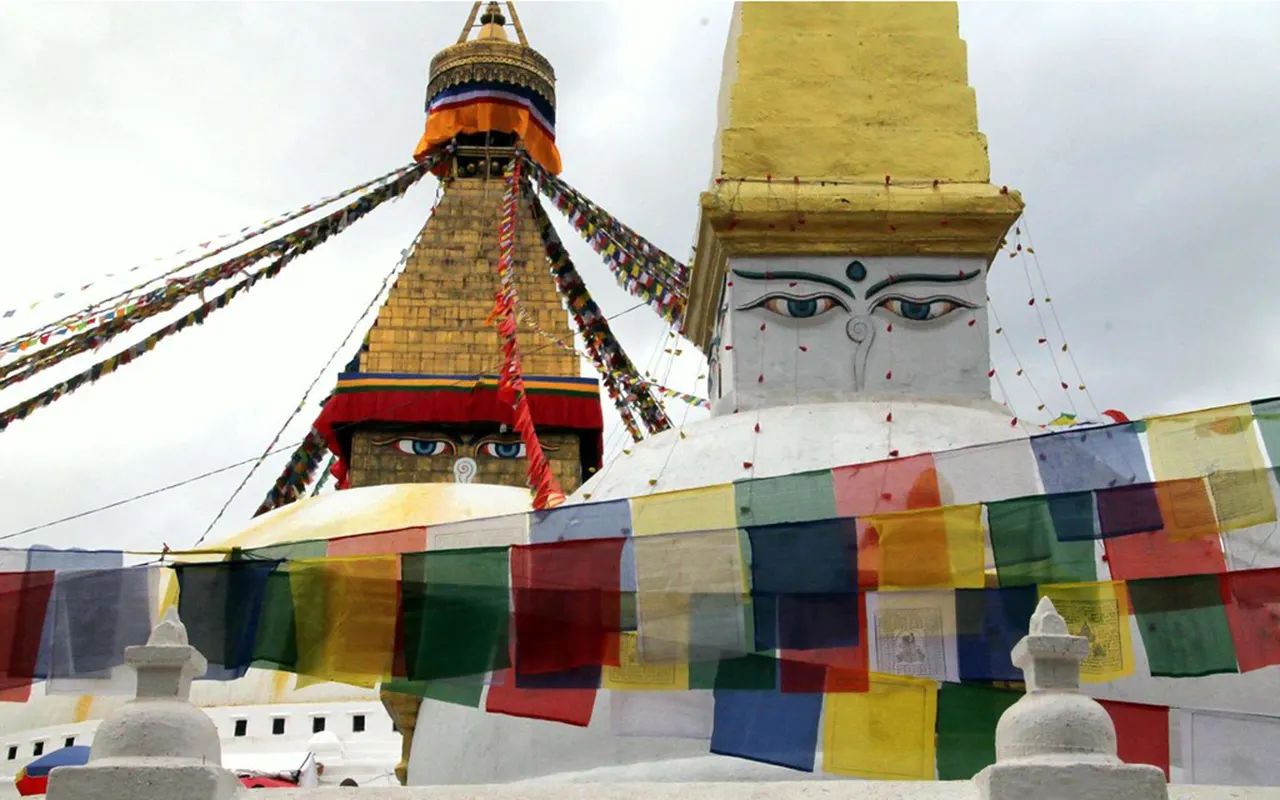
The adventure starts in the bustling city of Kathmandu (1,300 m / 4,265 ft), the capital of Nepal. Before one enters Tibet, you will visit several UNESCO World Heritage Sites like Pashupatinath Temple, Boudha Stupa and Swayambhu Stupa, etc. These iconic sites will acquaint you with Nepal’s religious and cultural history and help you get ready for the exciting experiences that lie ahead.
The next part of the Nepal and Tibet cultural tour is a scenic drive across the Nepal-Tibet border and on to the vast Tibetan Plateau. On the way from green hills to vast open valleys, you will pass by traditional Tibetan villages, mountain passes and scenic viewpoints. Every day is unique with the changes in the landscape and offers ample enjoyment of the natural beauty of the Himalayas.
You will stop at key Tibetan towns like Nyalam, Shegar, Shigatse, Gyantse and eventually Lhasa (3,650 m / 11,975 ft). You will visit some famous sites such as Tashilhunpo Monastery, Kumbum Chorten, Sera Monastery, Jokhang Temple, Barkhor Market, Drepung Monastery and the magnificent Potala Palace. All the places have their own history, their own spirituality, as well as their own lifestyle and way of life.
The Nepal Tibet overland tour also offers amazing mountain scenery of some of the highest mountains in the world. During clear weather, you may see Mount Everest (8,848.86 m / 29,031 ft), Mount Shishapangma (8,013 m / 26,289 ft) and Mount Cho Oyu (8,188 m / 26,864 ft) from different points along the route. The passage over high mountain passes and a visit to the turquoise waters of Yamdrok Tsho lake also make for memorable moments.
History and Buddhism, mountain views and the opportunity to experience different cultures can all be found on this tour, without the physical strain of hiking. Himalayan Idol Adventure ensures you explore Nepal and Tibet in a comfortable manner, with knowledgeable guides and reliable support throughout the trip, making memories that will stay with you long after.
Route Overview
The Best of Nepal and Tibet Tour starts in Kathmandu, Nepal (1,300 m / 4,265 ft) and you will spend some time in Kathmandu and visit some of its famous cultural and religious sites before going on the overland tour into Tibet. From Kathmandu, you drive along picturesque hills and valleys to the Nepal-Tibet border at Kodari and then proceed to the border city of Zhangmu.
After completing the border formalities, the route continues through Nyalam (3,600 m / 11,811 ft), Shegar (4,350 m / 14,272 ft), Shigatse (3,900 m / 12,795 ft) and Gyantse (3,950 m / 12,959 ft). You will traverse several high mountain passes and view spectacular mountain landscapes as well as important monasteries and traditional towns.
You will arrive in Lhasa (3,650 m / 11,975 ft), where you can visit the historic sites of the city and fly back to Kathmandu. Two incredible destinations in the Himalayas where cultural sightseeing, nature and pleasant overland travel are all in one well-planned route.
- Owner operated
- Price match guaranteed
- Tailored made trip
- Secured online payment

Trip Highlights
- Visit the world heritage sites of Kathmandu such as Kathmandu Valley, Pashupatinath, Boudha, Swayambhu, etc
- Pass through extraordinary valleys, hills and the Tibetan Plateau to drive to Tibet from Nepal
- Cross the high Lalung La Pass (5,050 m / 16,568 ft) and Gyatsola Pass (5,220 m / 17,126 ft)
- Enjoy views of Mount Everest (8,848.86 m / 29,031 ft), Mount Shishapangma (8,013 m / 26,289 ft) and Mount Cho Oyu (8,188 m / 26,864 ft)
- Visit the famous Tashilhunpo Monastery in Shigatse
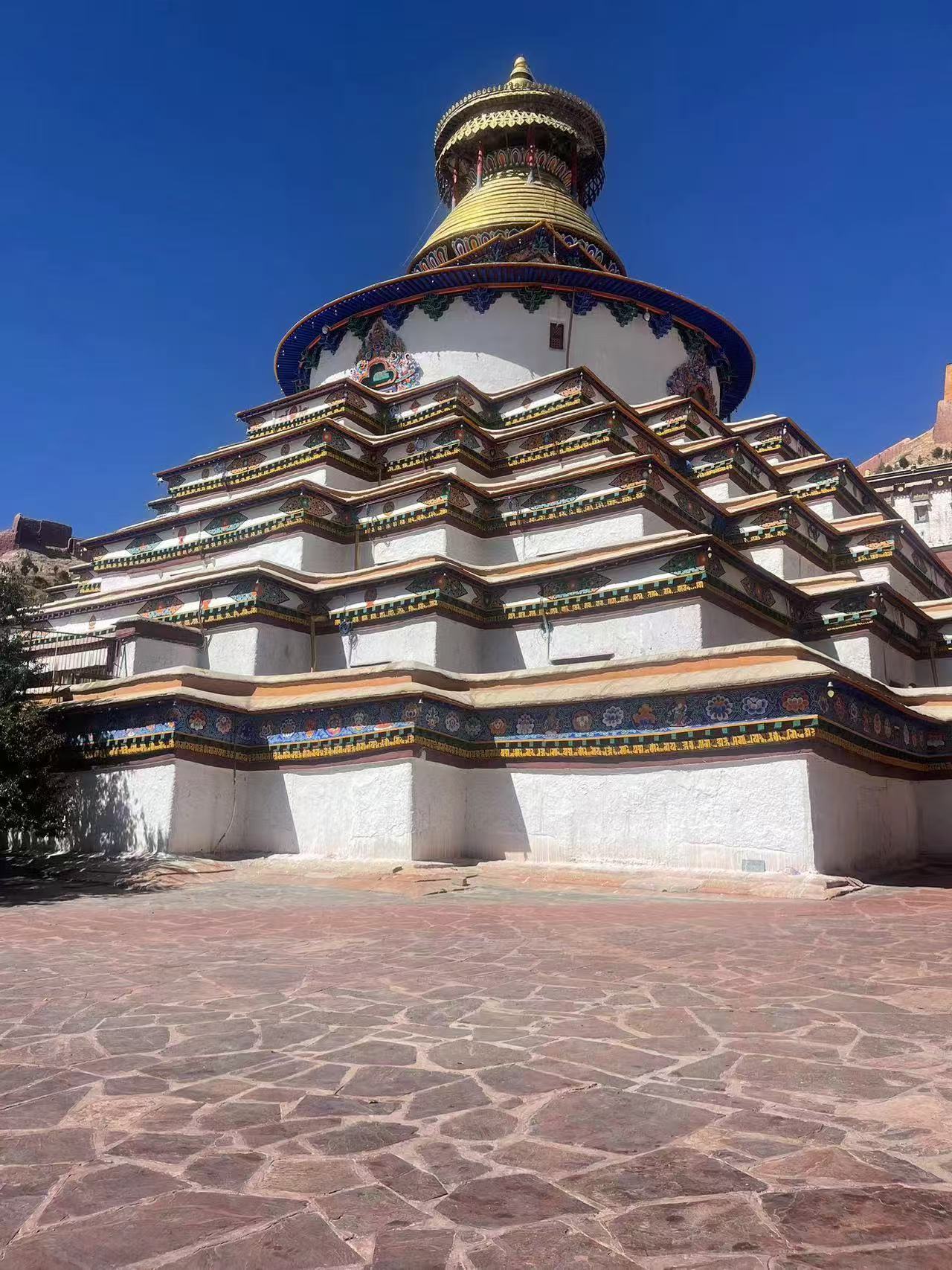
- Explore the historic Kumbum Chorten in Gyantse
- Enjoy a visit to beautiful Yamdrok Tsho Lake with its turquoise waters
- See the iconic Potala Palace and the sacred Jokhang Temple in Lhasa
- Take a walk through the old Barkhor market and get to know the locals
- Experience the culture, history and landscapes of Nepal and Tibet in one journey

Detail Itinerary
Day 01: Arrive in Kathmandu and Transfer to Your Hotel
Welcome to Nepal. When you reach Tribhuvan International Airport, our team from Himalayan Idol Adventure will be waiting for you to receive you and drive you to the hotel in the vibrant area of Thamel. The drive is about 30 minutes if there is no traffic. After arriving at the hotel, you can check in and relax after a long trip.
Thamel is one of the most popular areas in Kathmandu and is home to numerous shops, cafés, restaurants, bakeries and local markets. Once you’re certain that you’re feeling comfortable after your flight, you can take a short walk around the neighborhood and experience the friendly environment.
Hereafter, you’re going to meet your guide who will provide you with a comprehensive briefing on your Scenic Overland to Tibet trip. This is the time to ask questions, to go over the plan and make last-minute preparations before the adventure starts.

Activity: 30 Mins Airport arrival and hotel transfer

Accommodation: Hotel

Meal: Not Included

Max Altitude: 1,300m/4,265ft. (Kathmandu )
Day 02: Kathmandu Sightseeing Tour
Following breakfast, you will be able to go sightseeing around Kathmandu Valley with the help of your experienced city guide. This tour will take you through some of the cultural and religious sites of Nepal prior to your trip to Tibet.
You’ll get a special sight of the sacred Pashupatinath Temple, among the most revered Hindu temples in Nepal. Boudha Stupa, an important Buddhist site, is also included on the tour and is often referred to as Little Tibet due to its rich Tibetan culture and community.
You will then visit Swayambhu Stupa, where you can enjoy stunning vistas of Kathmandu Valley. Visiting the historical palace courtyards and the traditional monuments, which embody the rich history of Nepal, is also possible, according to the schedule.
Then, you’ll head back to your hotel after approximately four hours of sightseeing. The rest of the day is spent free to pack up your bags and get ready for the overland trip to Tibet.
Activity: 4 Hours sightseeing
Accommodation: Breakfast
Meal: Breakfast
Max Altitude: 1,300m/4,265ft. (Kathmandu)
Day 03: Drive to Nyalam
Your start to an overland adventure is early this morning from Kathmandu towards the Nepal-Tibet border. The trip passes through gorgeous hills, rivers, villages and terraced farmlands. If you make a brief break at Dhulikhel, you will be able to enjoy the lovely mountain views before heading towards Kodari.
After crossing the border, you will do the immigration process in Nepal and Tibet before entering Zhangmu. The path soon goes up through dense valleys and forests as you climb the mountain range into Tibet.
The final part of today’s drive is a winding road up to Nyalam at an elevation of 3,600 m (11,811 ft). As you gain altitude, the air becomes cooler and thinner. As soon as you arrive, you will check into a guesthouse or hotel and get a good night’s sleep to get used to the higher altitude.
Activity: 6 Hours
Accommodation: Hotel
Meal: Breakfast
Max Altitude: 3,600m/11,811ft. (Nyalam)
Day 04: Drive to Shegar
On the morning after breakfast, you cross the wide Tibetan Plateau. The green forests slowly fade away, to be replaced by broad open spaces, the traditional Tibetan villages and arid mountain scenery characteristic of Tibet.
At 5,050 m (16,568 ft) at Lalung La Pass, you can enjoy impressive views of the highest mountain entirely within Tibet, Mount Shishapangma (8,013 m / 26,289 ft) as long as the weather permits.
Then it’s on through old town Tingri. During clear weather, you may also see Mount Everest (8,848.86 m / 29,031 ft) and Mount Cho Oyu (8,188 m / 26,864 ft) from a distance. It will reach the important junction of Friendship Highway in several parts of Tibet, Shegar, also known as New Tingri, by the end of the afternoon.
Activity: 5 Hours
Accommodation: Hotel
Meal: Breakfast
Max Altitude: 4,350m/14,272ft. (Shegar)
Day 05: Drive to Shigatse
Following breakfast, you will head on to Shigatse, the second largest city in Tibet. The highest elevation the road passes through is the high Gyatsola Pass (5220 m / 17126 ft) during the drive today. On the pass, you’ll have a great wide view of all the surrounding mountains and the sprawling Tibet landscape before you descend to the lower lands.
The drive goes on through Lhatse, the small town which is a significant point on the way to Mount Kailash. You will go through traditional Tibetan villages, bare lands and quiet valleys and enjoy the distinctive beauty of the plateau.
By afternoon, you will arrive in Shigatse (3,900 m / 12,795 ft). Once you’ve checked into your hotel, you can enjoy some relaxation or take an easy walk on the surrounding roads to get some feel for the local vibe.
Activity: 5 Hours
Accommodation: Hotel
Meal: Breakfast
Max Altitude: 3,900m/12,795ft. (Shigatse)
Day 06: Drive to Gyantse
The first stop in the morning is a visit to the famous Tashilhunpo monastery, one of the most important monasteries in Tibet and the traditional residence of the Panchen Lama. You will be able to visit its stunning prayer rooms, historic chapels and magnificent Buddhist statues and also get to know about its relevance in the religious context.
There is also a local market in Shigatse, where Tibetan people gather to trade their daily necessities before leaving the city. It is a good spot to watch local life and traditional culture.
Later, you will drive east to Gyantse (3,950 m / 12,959 ft). Once you arrive in town, you’ll be able to see the historic Kumbum Chorten which was constructed around 1400 AD. It is an amazing monument whose special features are numerous prayer halls and Buddhist paintings. Gyantse was also a significant trading post that linked Tibet to India, Bhutan and Sikkim, making it an important place in the history of Tibet.
Activity: 3 Hours
Accommodation: Hotel
Meal: Breakfast
Max Altitude: 3,950m/12,959ft. (Gyantse)
Day 07: Drive to Lhasa
This is a day trip, where you’ll experience some of Tibet’s most stunning landscapes. The road soon heads up to Karo La Pass (5,010 m / 16,437 ft) just out of Gyantse. From there you can get close to the snow-laden peaks, glaciers and ice falls, making it a particularly memorable place.
After crossing the Khamba La Pass (4,795 m / 15,732 ft), you will have an excellent chance to see the turquoise waters of the Yamdrok Tsho Lake. This sacred lake is one of the largest and most beautiful lakes in Tibet.
Crossing the Yarlung Tsangpo River (Brahmaputra River), you’ll then travel via a comfortable highway to Lhasa (3,650 m / 11,975 ft). After arriving, you will have a first glimpse of the splendid Potala Palace and go for a brief walk around the bustling Barkhor Market.
Activity: 5 Hours
Accommodation: Hotel
Meal: Breakfast
Max Altitude: 3,650m/11,975ft. (Lhasa)
Day 08: Lhasa Sightseeing Tour
This day is for exploring some of the most important cultural and religious sites in Lhasa. You will head to Sera Monastery which is one of the largest and oldest monasteries in Tibet, after breakfast. It is famous for its spirited discussions on Buddhist philosophy which are held in a very traditional manner.
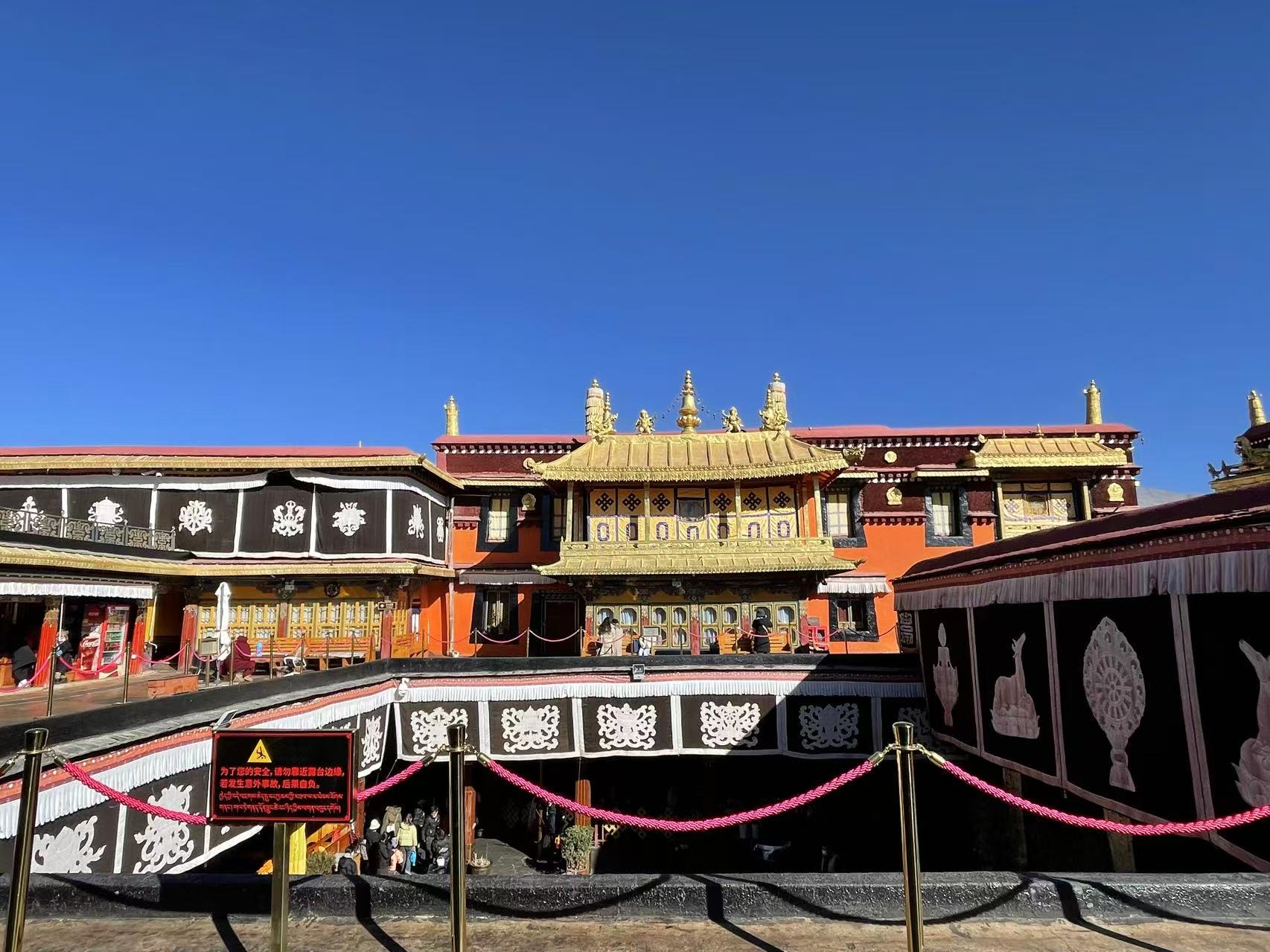
The sightseeing goes on with a visit to the most important Buddhist temple in Tibet, the sacred Jokhang Temple. This is one of the most spiritual areas of Lhasa as pilgrims from all over the region pray here.
Later you will take time to explore Barkhor Bazaar, a bustling market around the temple. The streets are so narrow and there are shops selling handicrafts, prayer wheels, traditional clothing and souvenirs. Once you enjoy the day, you will go back to your hotel and get a restful night’s sleep for another day of sightseeing.
Activity: Full Day
Accommodation: Hotel
Meal: Breakfast
Max Altitude: 3,650m/11,975ft. (Lhasa )
Day 09: Lhasa Sightseeing Tour
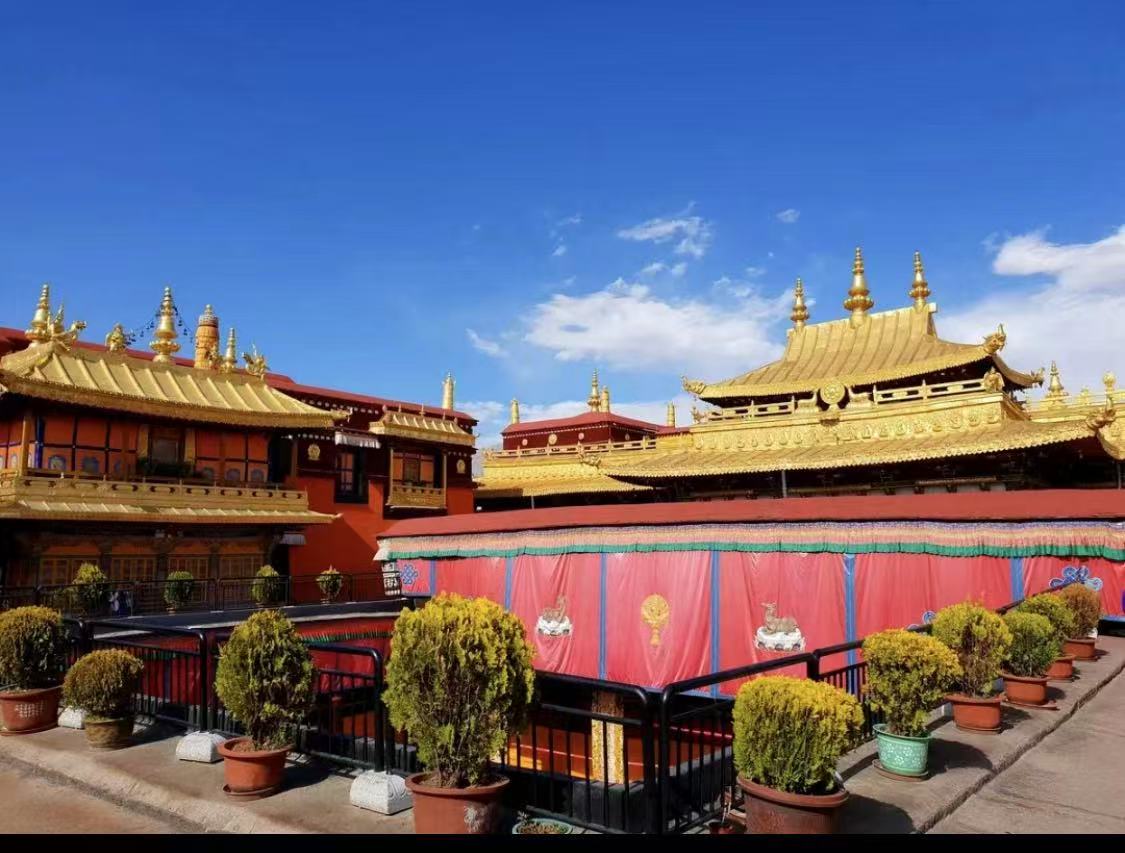
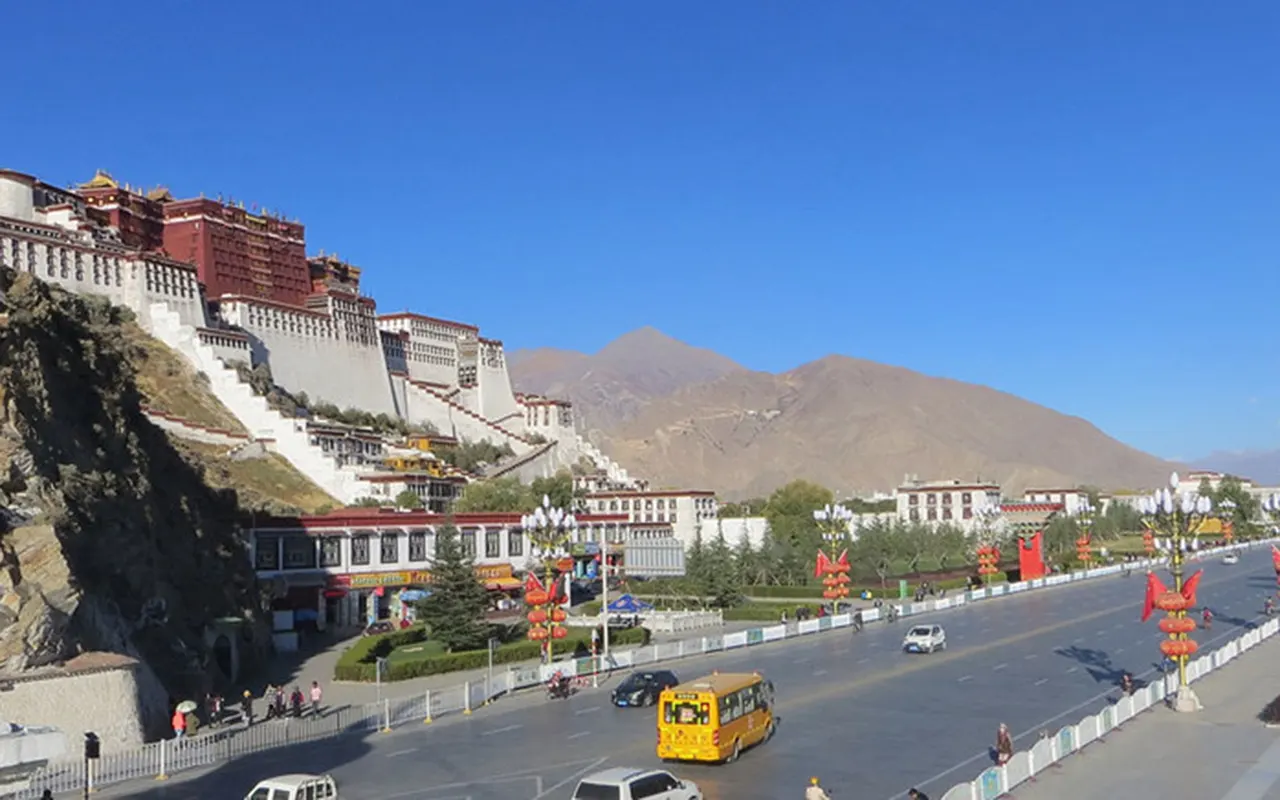
Following breakfast, you will further explore the historic city of Lhasa and visit two of its most important sites. The day starts in the magnificent Potala Palace that was constructed in 640 AD. This is a beautiful building that stands above the city and was once the summer home of the Dalai Lama. On the interior, you will find beautifully decorated halls, ancient prayer halls, valuable murals and countless Buddhist treasures that display the rich history and spiritual heritage of Tibet.
In the afternoon, you will go to Drepung Monastery, the biggest monastery of Tibet. It used to be the home of thousands of monks and is still a significant centre of Buddhist education. Visiting its prayer halls and courtyards will give a better insight into Tibetan religious practices.
If you’re not quite ready to head back to your hotel, you can walk around Barkhor and the surrounding market to experience the atmosphere of the area.
Activity: Full Day sightseeing
Accommodation: Hotel
Meal: Breakfast
Max Altitude: 3,650m/11,975ft. (Lhasa )
Day 10: Fly Back to Kathmandu
After an early breakfast, you will leave your hotel and drive for about an hour to Gonggar Airport. Today’s highway crosses numerous tunnels, which makes the trip enjoyable and efficient. Once you have finished the airport and immigration procedures, you will board your flight back to Kathmandu.
This flight is great for taking in the aerial views of the Himalayan range. In good weather, Mount Everest (8,848.86 m/29,031 ft), Mount Makalu (8485 m/27,838 ft) and other snow-capped summits can be seen across the horizon. The flight is a fun and memorable experience for seeing mountains.
Our representative will meet you on arrival in Kathmandu (1,300 m / 4,265 ft) and bring you to your hotel in Thamel. The rest of the day is flexible for the individual to rest or partake in personal or leisure activities.
Activity: 2 Hours
Accommodation: Hotel
Meal: Breakfast
Max Altitude: 1,300m/4,265ft. (Kathmandu)
Day 11: Kathmandu Sightseeing Tour
This is a day to relax in Kathmandu before your trip. Then, following breakfast, you will go on another guided sightseeing tour which will include some of the most significant cultural and historical sites in the valley. This is a second chance to visit locations you may have missed out on or to take the time to enjoy their history.
This tour covers Basantapur Durbar Square, Patan Durbar Square and the local markets. It is also possible to visit ancient palace courtyards and traditional streets with ample cultural heritage of Kathmandu Valley.
After sightseeing, you will be back at your hotel. The rest of the day is yours to rest, shop for souvenirs or enjoy your last night in Nepal.
Activity: Full Day sightseeing
Accommodation: Hotel
Meal: Breakfast
Max Altitude: 1,300m/4,265ft. (Kathmandu )
Day 12: Final Departure
It’s the end of your memorable journey today. This will give you a leisurely morning at your hotel before you depart, depending on your flight. Be sure to have all personal items packed and travel documents ready for your next move.
Our representative will be able to transfer you to Tribhuvan International Airport before your international flight. While traveling, you’ll be able to think of all the great experiences you’ve had during your Scenic Overland to Tibet tour, from visiting Kathmandu’s cultural attractions to the expansive Tibet landscape and historic city of Lhasa.
We hope that you take amazing pictures, experiences and a great appreciation for the Himalayan region when you leave Nepal. Have a safe trip home and we hope to see you again on another adventure in the future.
Activity: 30 Mins
Meal: Breakfast
Max Altitude: 1,300m/4,265ft. (Kathmandu )
If our standard itinerary doesn't fully meet your needs, we are happy to tailor it to your specific preferences and requirements.
Trip Information of Best of Nepal and Tibet Tour
How Difficult is the Tour?
The Best of Nepal and Tibet Tour is an easy-to-moderate trip. It is not a long day hike, but it does have a few long drives over the Tibetan Plateau and high-altitude trips. The tour is suitable for most travelers with average fitness.
The greatest problem is the elevation. During the journey, you travel from Kathmandu (1,300 m / 4,265 ft) to several places above 5,000 m (16,404 ft). Even though driving doesn’t require much physical activity, your body still needs to adapt to the thinner air.
The Friendship Highway is mostly good, but may be rough or damaged by weather. Being in a vehicle for several hours a day might also be tiring.
The Nepal and Tibet cultural tour is ideal for healthy families, couples and senior travelers. By drinking plenty, walking according to your guide’s instructions and resting properly, you’ll make the trip more comfortable.
Best Time to do this Tour: Month by Month Visibility & Weather Guide
The Best of Nepal and Tibet Tour will be delightful during most of the year, but the best time is spring and autumn with the least cloudy days for a clear mountain view.
The weather is nice and flowers blossom in Nepal from March till May. This season is one of the most popular seasons for travel as there is high visibility and clear skies in the Himalayas and Tibet.
The monsoon season of Nepal is from June to August and most parts of Tibet are relatively dry. There may be some risk of rain on the way into Tibet, but sightseeing is generally not interrupted.
September to November is known to be the best overall season. A post-monsoon is a great time of the year for doing a tour because of the good visibility, comfortable temperature and beautiful landscapes.
The months of December to February are cold, particularly over Tibet. Although some high passes may have snow, for those willing to deal with the cold weather and low visibility, you may find some great mountain views.
Transportation, Food and Accommodation
On the Best of Nepal and Tibet Tour, you will travel comfortably by road or by either international or domestic flight as per your tour itinerary. The private vehicles are usually provided for transportation to and from the airport and sightseeing in Nepal. Tourist vehicles equipped with modern amenities and drivers take care of the long overland journey safely in Tibet.
Accommodation is subject to change from place to place. Hotels and guesthouses in the Tibet region are usually basic and clean and Kathmandu has comfortable hotels with modern amenities. The accommodation is good in larger cities like Lhasa and Shigatse but not so good in smaller towns on the route.
The food served is a combination of Nepali, Tibetan, Chinese and international cuisine. Food is available all the way along the trip, including rice, noodles, soups, vegetables, meat, eggs and bread.
Himalayan Idol Adventure arranges accommodation, transportation and experienced guides for you, so that you can get reliable services for this high-altitude adventure.
Altitude Sickness
During the Nepal and Tibet cultural tour, one reaches various high-altitude destinations where proper acclimatization is very crucial. Just because you’re on wheels rather than feet, your body still requires a period of adaptation to lower oxygen levels.
The symptoms of altitude usually start to be felt above 3,000 m (9,843 ft). Headaches, fatigue, loss of appetite, dizziness and trouble sleeping are common symptoms. Symptoms tend to be mild and get better with rest.
It is important to drink plenty of water, avoid alcohol, eat light meals and follow your guide’s instructions, which will help to minimize the risk of altitude sickness. It is also important not to hurry activities upon reaching higher elevations.
If symptoms are debilitating, your guide will provide for immediate medical assistance and/or get you to a lower altitude if needed. The safest way to stay safe throughout the journey is to pay attention to your body.
Fitness & Training Plan for the Tour
The physical skills required for the Best of Nepal and Tibet Tour are not particularly advanced, but it’s important to have a good overall fitness level to enjoy the trip more comfortably.
The walk is an integral component of the sightseeing, particularly in visiting monasteries, temples, markets and historical sights. Patience and endurance to be comfortable while sitting for long periods of time are also important qualities for a long drive.
Regular walking, light jogging, cycling or swimming can help build endurance before you leave, about 4-6 weeks before you go. Some mild strength-building exercises and stretches will also help keep you from feeling stiff on long road trips.
The Nepal Tibet overland tour can be done by most healthy adults. If you suffer from any heart, lung or other medical issues, you should seek medical advice before going to high altitude areas.
Visa and Permits and Necessary Documents
Several important travel documents are to be obtained before entering Tibet for the Best of Nepal and Tibet Tour. All foreigners must have a valid passport with a minimum six months’ validity.
A majority of the visitors need a Nepal visa, which is obtainable on arrival in Nepal or prior to travelling from various countries. A Tibet Travel Permit is required for entry into Tibet, which is to be obtained in advance from a Tibet travel agency.
Depending on the route you choose within Tibet, there may be additional permits required. These permits are not available for individual travellers to apply for.
The team helps you obtain the required Tibet permits when you book with Himalayan Idol Adventure and guides you on what documents are required. Bring hard copies of your passport, visa, permits, medical insurance and photographs the size of a passport with you on your journey.
Health & Safety on the Tour: Emergency Support and Evacuation
Due to the location of the Nepal and Tibet cultural tour through remote mountain areas and high-altitude regions, health and safety becomes a significant factor.
Professional guides will keep a close watch on tourists for any symptoms of altitude sickness or other health issues during the trip. Basic first aid items are brought with the guides and in bigger places like Shigatse and Lhasa, there are medical facilities.
Serious situations could lead to emergency transportation or evacuation depending on road conditions, weather and travelers’ condition. Road evacuation is the common method of evacuation within Tibet and usually only available from Nepal by helicopter.
Travelers are advised to bring their own personal medicines with them and to drink enough water; before traveling, travelers are advised to tell their guides about their medical conditions. You are more likely to enjoy your experience and it will be safer if you prepare well.
Mobile Network, Internet & Charging Facilities Along the Trail
Communication services are reasonably available in the Best of Nepal and Tibet Tour region and may vary based on location.
Mobile phone coverage is good in Kathmandu and also in large Tibetan towns like Lhasa and Shigatse. The signal might get weak or disappear for a while in smaller towns and in remote mountain regions.
For most hotels, phone, camera and electronic device charging is provided. It is advisable to use a power bank, particularly on long drives.
Internet connectivity is available in most hotels, but speeds differ. There are certain websites and social media that cannot be accessed in Tibet, so travellers need to be aware of the fact that they might not be able to use them during certain parts of the trip.
Travel Insurance
It is strongly recommended that everyone who books the Best of Nepal and Tibet Tour take some travel insurance. A good policy offers monetary coverage in case of unforeseen circumstances before or during your journey.
Select insurance that pays for high elevation travel, medical treatment, emergency evacuation, trip cancellation, baggage loss and delays. Before departing, read your policy carefully to understand what is included.
The Nepal Tibet overland tour goes to remote areas where medical assistance may be scarce. If there are unforeseen health concerns or any unexpected changes in transportation, having comprehensive insurance gives peace of mind.
Have and keep printed and digital copies of your insurance documents. Give the guide your emergency contact and insurance information before the journey.
Language & Communication
During the Nepal and Tibet cultural tour, you will learn more than one language and various cultures along the way.
The language of Nepal is Nepali and Tibetan and Mandarin Chinese are commonly spoken in Tibet. Many people in the tourism industry know a lot of English, as do professional guides and hotel staff.
It is respectful to local communities and more enjoyable to interact if you know a few common local greetings. Your guide can assist you with communication, if necessary.
The English-speaking guides who accompany guests on the Himalayan Idol Adventure will be on hand to assist with any language barriers, cultural explanations, hotel arrangements and communication throughout the trip.
Drive Back from Tibet Instead of Flying: Cost, Time & Booking Tips
The Best of Nepal and Tibet Tour will often include the option to return to Nepal by land instead of flying from Lhasa. This way, visitors can experience the Tibetan landscapes and mountains for a second time.
The return journey takes several days with overnight stopping points. It takes longer than by airplane, but many people prefer the slower pace and extra sightseeing opportunities.
Return overland is typically cheaper than the flight, but the nights’ accommodation and transport on the overland leg should be taken into account when budgeting a return.
If you prefer this option, discuss your plans before confirming your booking. Travel agencies can take care of the permits, lodging, transportation and border formalities that are needed to get back home.
Useful Tips for the First-Time Travellers
Is the Tour Suitable for Kids and Teenagers? An Honest Age Guide
Older kids and teens who like traveling and are capable of driving long hours may find the Best of Nepal and Tibet Tour to be appropriate. The trip goes to high altitudes and children should be well and watch for signs of altitude sickness carefully. The family should plan a leisurely trip and allow for plenty of rest days. Parents should, however, talk to a physician before bringing younger children to high elevation areas.
This Tour for Seniors: What to Expect at 60+
Tours to Nepal and Tibet by many travellers aged 60 and above are successfully done. The tour is mostly walking, but due to the altitude and the driving distance, it can be exhausting. Generally, people who are healthy and in good condition will find the trip enjoyable. A medical check-up before departure is recommended, particularly for persons with heart/lung disease. Slowly and drink lots of water; it will be much easier.
First Himalayan Tour Ever? Why This Tour Is Ideal for You
The Best of Nepal and Tibet Tour is a good introduction to the Himalayas if this is the first time you are going there. It is a cultural tour that also offers stunning mountain views and isn’t overly arduous or challenging. The journey is comfortable, well guided and slow-paced through the various landscapes, making it pleasant for first-time visitors. Enjoy the culture, the monasteries and notable sites of the Himalayas without the hardship of hiking.
This Tour Without a Guide: Is It Legal and Is It Wise?
Foreigners are not allowed to travel alone in Tibet. You need to have a licensed guide and permits during your time in Tibet. Organized tours also make entry across the border, travel, accommodation and permit procedures considerably easier. Most travelers will find that they are better able to travel safely and conveniently if they have a guide available to give them local knowledge and help in case of an occurrence they wouldn’t expect.
How Crowded Is This Tour?
The Best of Nepal and Tibet Tour is an average tour that is not as busy as many tours in Nepal. Popular sites like Potala Palace, Jokhang Temple and large monasteries may be crowded during peak seasons. In general, however, the overland route through Tibet is peaceful, offering extensive open spaces and tranquility to the traveller who appreciates mountain scenery. Spring or autumn is a good time to visit as it is neither too hot nor too cold and there are fewer people around.
Solo Female Travelers on This Tour: Safety and Practical Notes
Solo female travelers can enjoy the Best of Nepal and Tibet Tour without any worry while they travel with a reputable tour operator. The guided group tours offer additional safety and support and are organized for transportation. It is advised to dress properly in religious places and local customs are adhered to. Remembering to keep valuables safe and being aware of the environment can ensure a safer and more enjoyable trip, like at any destination.
Best Photography Spots on the Tour
There are numerous great photo opportunities along this trip. Some of the best places are Yamdrok Tsho Lake, Karo La Pass, Lalung La Pass, Potala Palace, Jokhang Temple, Barkhor Market and the traditional Tibetan villages along the Friendship Highway. On sunny days, far-away views of Mount Everest, Mount Shishapangma and Mount Cho Oyu make for a great landscape shot. The best times of day to photograph are early morning and late afternoon when natural lighting is best.

Frequently Asked Questions
The Chinese Yuan (CNY) is the official currency in Tibet. Bring cash with you, as some smaller stores and out-of-the-way towns will not take cards.
Some hotels and big shops in Lhasa accept cards. In smaller towns, however, cash is the preferred method of payment.
Yes. There are baggage limits for the airline services that fly from Lhasa to Kathmandu. Please see your ticket before traveling to prevent extra luggage fees.
Yes. Handicrafts, prayer flags, jewelry and traditional souvenirs can be bought in the local Tibetan markets or in the markets of Barkhor in Lhasa or Thamel in Kathmandu.
Yes. Vegetarian options like rice, noodles, vegetables, soups, eggs and tofu are available at most restaurants and hotels on the trip.
Yes. Drinking water is available in Kathmandu, Lhasa and in all the towns on the way. Avoid drinking untreated tap water.
Yes. Some opt to stay for a few additional days in Kathmandu, Pokhara, Chitwan or other places after the tour.
Opening times and access to most monasteries and temples are 24 hours a day, except during festivals, ceremonies and government events.
Yes. You can find a currency exchange in Lhasa and some major Tibetan cities. It is advisable to exchange currency before travelling to remote areas.
Both Nepal and Tibet have strict regulations on the use of drones. There are many sensitive and religious areas in which flying is not permitted and special permission is required.
- Owner operated
- Price match guaranteed
- Tailored made trip
- Secured online payment
 Testimonial
