


Booking open: Secure your trip early for the seasons 2026 & 2027


Mohare Danda Trek

Quick facts about Mohare Danda Trek

Duration
6 Days

Trip Grade
Easy

Maximum Altitude
3300

Group Size
2 to 25 People

Starts
Kathmandu

Ends
Kathmandu

Accomodation
Teahouse/ Hotel

Best Time
Autumn, Spring


Trip Overview
The Mohare Danda Trek is a peaceful journey through the hills of the Annapurna region offering a wonderful mix of mountain scenery, traditional villages and quiet forest trails. This trek is not as crowded as some of the other popular routes in Nepal and it offers plenty of opportunities to enjoy the natural beauty and culture of the area at a leisurely pace. It starts with a beautiful drive from Pokhara through picturesque villages to the top of the trek at Mohare Danda (3,300 m / 10,827 ft). You’ll pass through rhododendron woods, terracing in farmlan and warm Magar communities that have retained their traditional lifestyle.
Mohare Danda Trek itinerary is suitable for those who want to enjoy the Himalayas without having to trek to extreme altitudes. The trek winds through villages like Banskharka, Nangi, Khibang and Tikot where you can stay in community-run lodges and homestays. These overnight stays provide visitors with an opportunity to stay the night in a local home and help support the local community. Walking hours are comfortable and sufficient each day to enjoy the scenery, rest and learn about life in the village.
Mohare Danda Eco Community Trek is a famous trek where sustainable tourism is the key focus. Many of the lodges and tour services are managed by local communities, and the income from trekking is retained in the villages. This community-based approach facilitates education, conservation of the environment and local development provides a more meaningful travel experience. This trek is not one of the more touristy trails in Nepal because of its peacefulness, friendliness, and beautiful scenery.
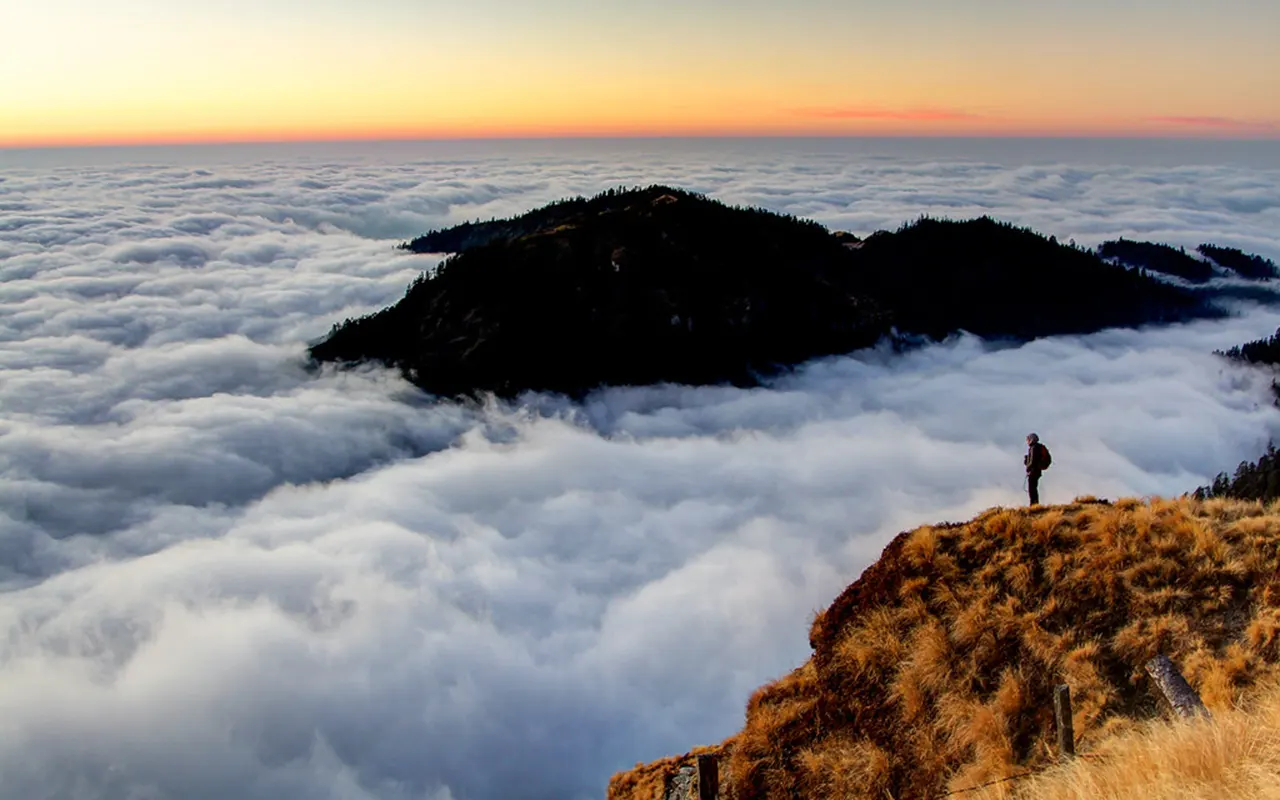
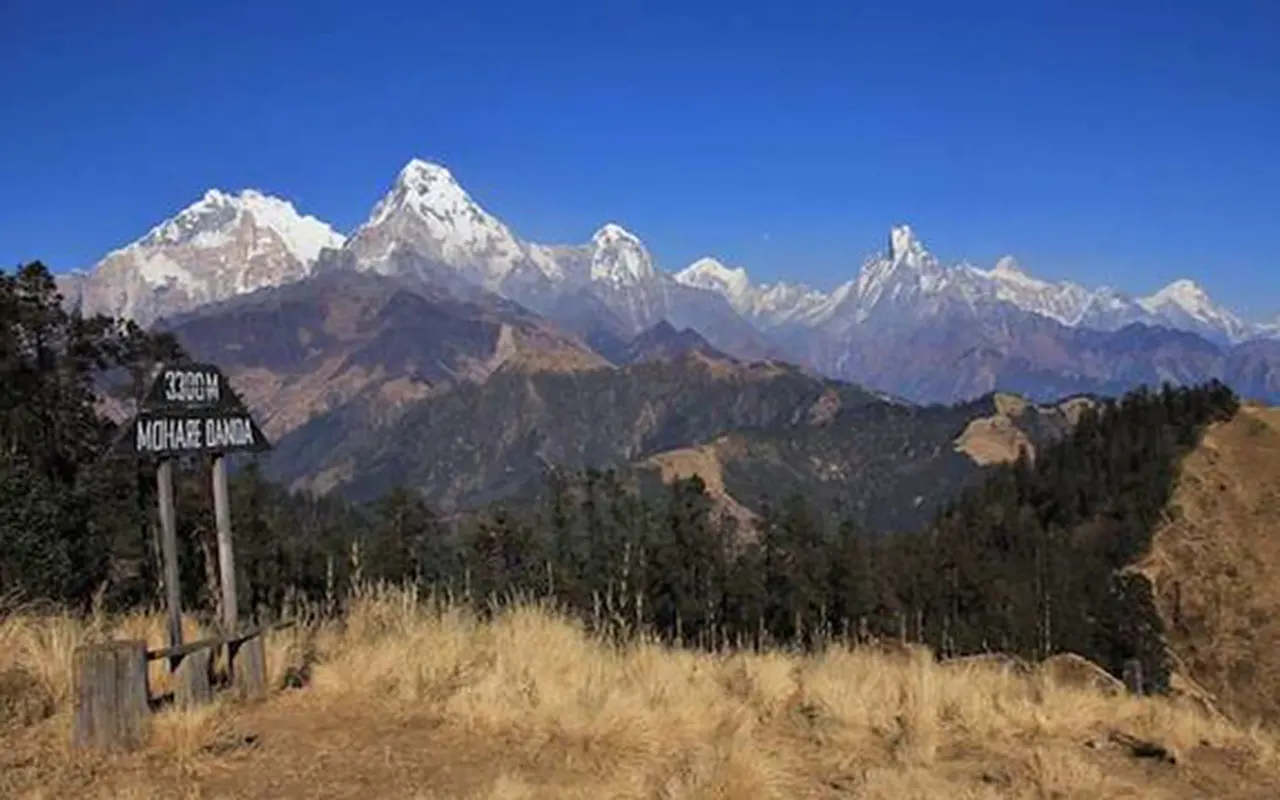
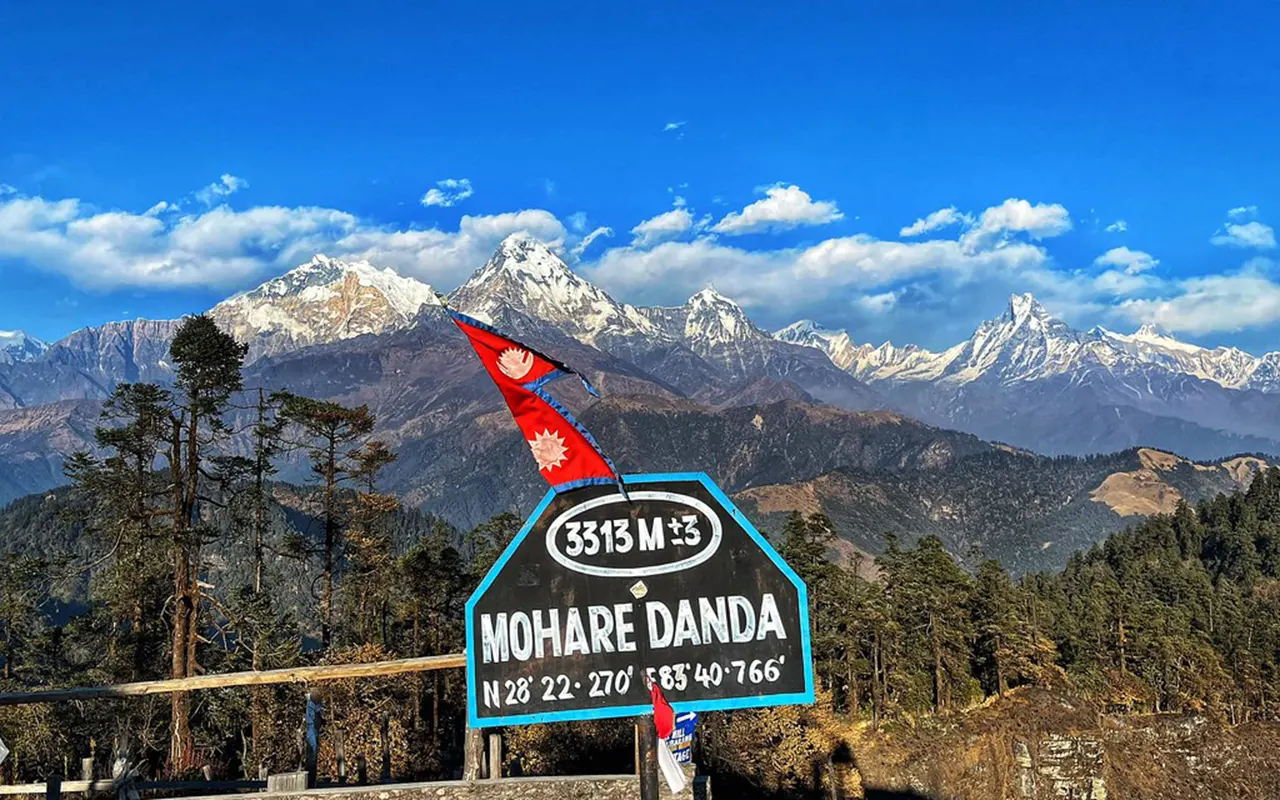
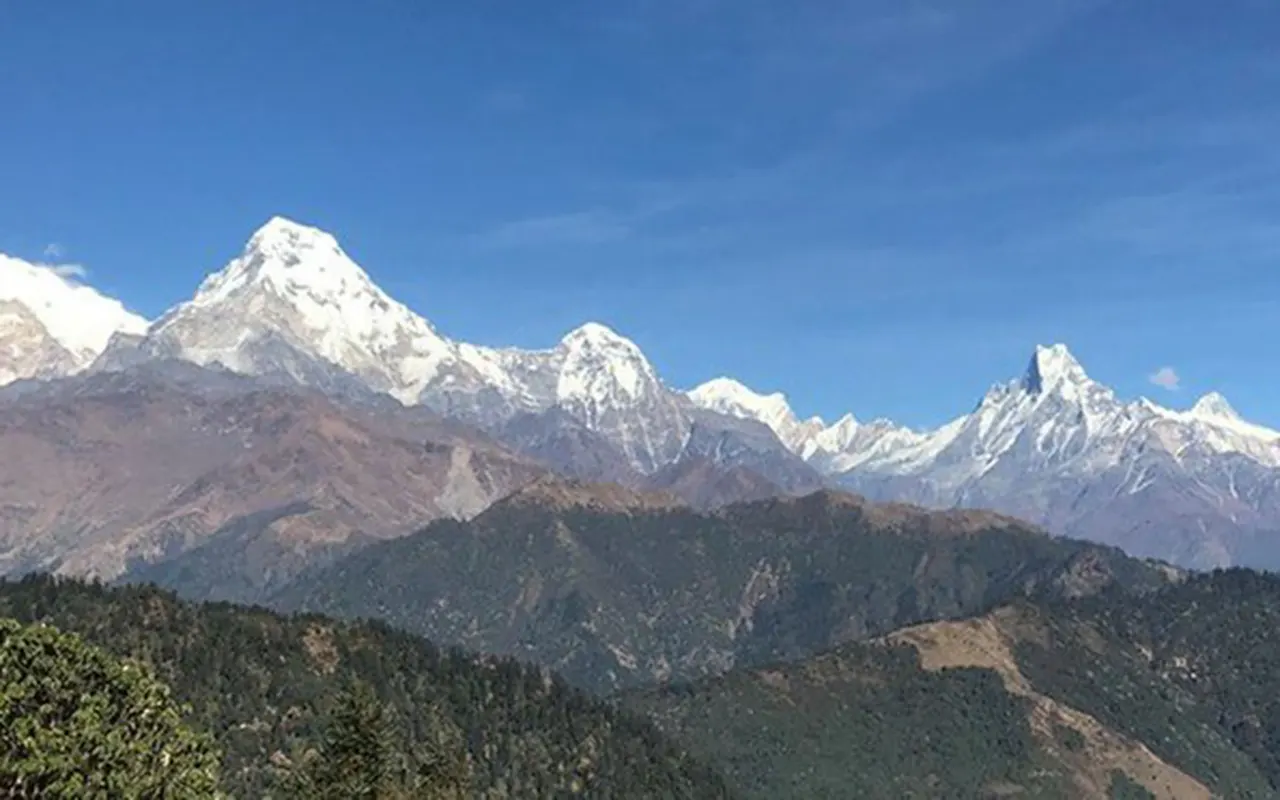
The views of Dhaulagiri, Annapurna South, Machhapuchhre, Nilgiri and other peaks in the Himalayas are the highlights of the Mohare Danda trek. The sunrise in the early morning and the sunset in the evening from Mohare Danda are among the most memorable moments of the journey. The ascent to the highest point is 3,300 m/10,827 ft which makes the trek accessible to many who have a fair degree of fitness, and even to those who seek their first trek in Nepal.
The Mohare Danda Trek route is perfect for those who want to avoid the crowds and enjoy a shorter yet no less awesome trekking experience, with amazing mountain views and authentic culture. This trek is perfect for all travelers, whether solo, as a family, or in a small group and balances nature, culture, and community. If the local support and experience of Himalayan Idol are followed, you can have a safe, well-organized, and rewarding trek along one of the peaceful routes in the Annapurna region.
- Owner operated
- Price match guaranteed
- Tailored made trip
- Secured online payment

Trip Highlights
- See a gorgeous sunrise from Mohare Danda, looking at the Dhaulagiri and Annapurna ranges.
- Enjoy panoramic views of Dhaulagiri, Annapurna South, Machhapuchhre, Nilgiri, and Tukuche Peak.
- Pass through serene forests of rhododendron, oak and pine.
- Relax in community-run lodges and enjoy the local hospitality.
- Explore the old Magar villages and experience their special way of life and culture.
- Visit the organic farm & community projects at the village of Nangi.
- Trek on relatively undisturbed trails away from the crowds of many popular trails in the Annapurna region.
- Promote sustainable tourism directly benefiting local communities via eco-tourism.

Detail Itinerary
Day 01: Drive from Pokhara to Galeshwor and trek to Banskharka
Following breakfast at your hotel, you will drive to Galeshwor via Pokhara, where the route is scenic. The road goes through small towns, farming villages, rivers and green hills. On clear days, you can enjoy beautiful views of the Annapurna mountain range during the journey. You will reach Galeshwor, a tranquil village adjacent to the Kali Gandaki River, after about 4 hrs of driving.
Lunch may be taken before embarking on the trek, depending on time. The path slowly crosses above the river in terraced fields and old farmland. The path is not too steep and is a good introduction to the walk. On the way, you will see lots of little farms and views of the surrounding hills.
It will take approximately 2 to 3 hours to reach Banskharka (1,526 m / 5,007 ft) from here. This little Magar village boasts just a handful of architectural specimens and a tranquil mountain vibe. For tonight, you will be staying at a homestay, a simple homestay, which is managed by the community itself and you will be able to enjoy the local hospitality and a simple homemade dinner.

Activity: 5-6 Hours Drive and trek

Accommodation: Tea House

Meal: Breakfast, Lunch, Dinner

Max Altitude: 1,523m/4,997ft. (Banskharka)
Day 02: Trek from Banskharka to Nangi
On leaving Banskharka, you will head off through quiet woods that are lush with rhododendrons, oaks and pines. The trail is primarily uphill, but not too arduous and gives ample time to appreciate the natural environment. Today’s walk is pleasant and relaxing with birds, fresh mountain air and forest plants.
The higher you go, the more you can see. In clear weather, the snow-clad mountains of the Himalayas can be seen between the trees, and the hills and valleys that surround the track are a pleasing sight. There are several opportunities to take short breaks in the trail.
At the village of Nangi (2200m / 7612ft), you will be able to catch up in the afternoon. This is due to the higher elevation and cooler air. Nangi is famous for its community projects, such as an organic farm that provides for families in the area and for education. Before retiring to a local lodge, one might be able to visit the farm to learn about the sustainable farming practices in this village.
Activity: 5 to 6 hours Trek
Accommodation: Lodge, Teahouse
Meal: Breakfast, Lunch, Dinner
Max Altitude: 2,320m/7,612ft. (Nangi)
Day 03: Trek from Nangi to Mohare Danda
This is a very gratifying day to reach Mohare Danda. The trail then rises steadily through beautiful forest, lush with rhododendron and pine trees, after breakfast. The walk uphill is pleasant due to the quietness and fresh mountain air.
The woods slowly offer glimpses of further vistas as you keep climbing. The view of the mountains is more spectacular the higher you climb. There are a couple of spots to stop, rest and take pictures in the quietness of the areas.
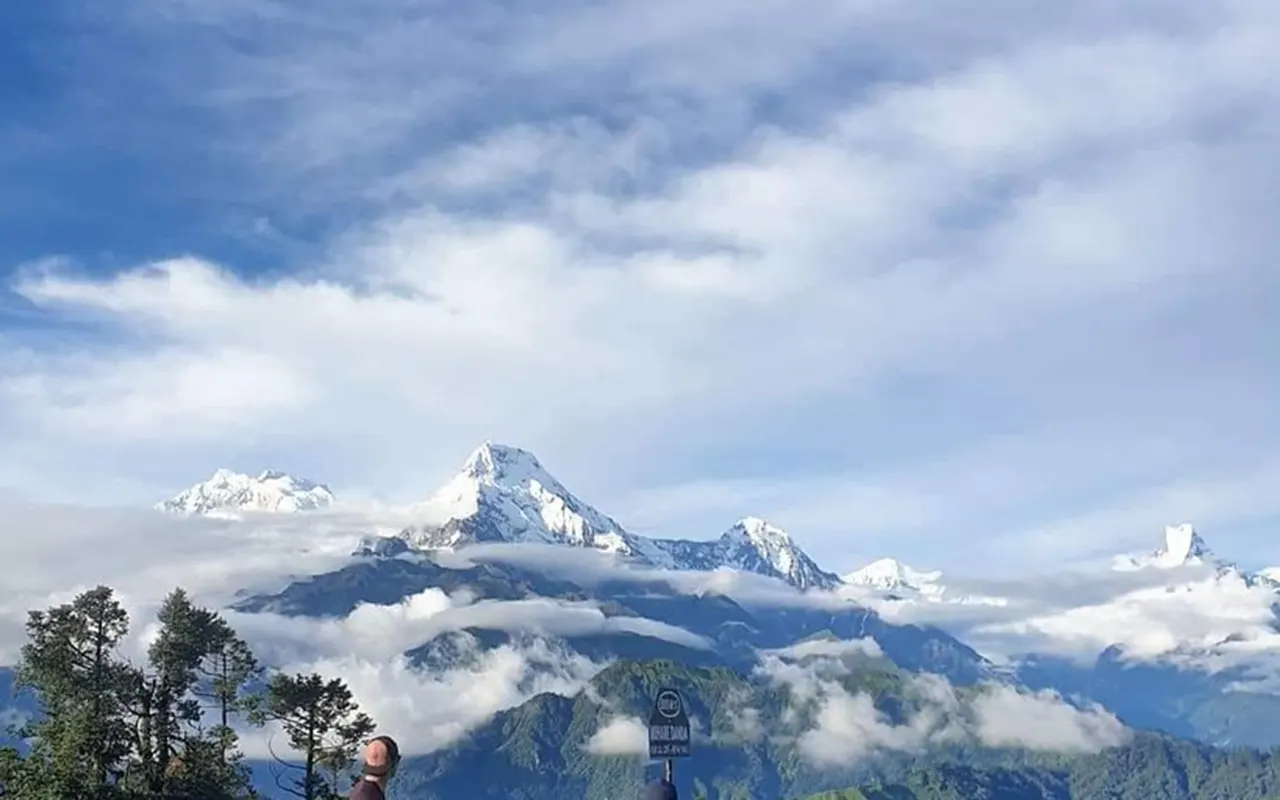
By afternoon, you will reach Mohare Danda (3,300 m / 10,827 ft). This picturesque top of a hill is known for its breathtaking views of the Himalayas. From here, one can have a glimpse of mountains, including Machhapuchhre, Annapurna South, Tukuche Peak, Nilgiri and others visible on the horizon. At night, take in a pretty sunset and stay at an eco-community lodge.
Activity: 5 to 6 hours Trek
Accommodation: Lodge, Teahouse
Meal: Breakfast, Lunch, Dinner
Max Altitude: 3,300m/10,827ft. (Mohare Danda)
Day 04: Trek from Mohare Danda to Khibang
Today you will start your trek from Mohare Danda to Khibang. The sun’s first rays glimmer off the snowcapped summits of Dhaulagiri, Annapurna and Manaslu as the sun rises. The morning peace in Mohare Danda is an unmissable experience and it is worth getting up early.
Following breakfast, you’ll start to head down from Mohare Danda. The path is in the woods and on open hill land with a few short, steep uphill climbs in between. The majority of this walk is downhill which is not so difficult as yesterday’s climb.
You will be at the traditional village of Khibang (2,060 m / 6,759 ft) by the afternoon. A small village in Magar with a lovely opportunity to experience local village life surrounded by farmland and forest. This evening you will be accommodated in a community-run lodge and have another warm meal cooked by community hosts.
Activity: 5 to 6 hours Trek
Accommodation: Lodge, Teahouse
Meal: Breakfast, Lunch, Dinner
Max Altitude: 3,300m/10,827ft. (Khibang)
Day 05: Trek from Khibang to Tikot
After breakfast, you will start your trek from Khibang and head down to Tikot. The trail goes through forests and cultivated fields and several traditional Magar villages. One can experience the life, farming and culture of the area by walking through these settlements.
Today’s walk is shorter and less strenuous than previous walks on the trail, as it is mostly gentle. You can enjoy nice views of the hills and valleys which lie along the way, as well as passing small streams and quiet countryside.
By lunchtime, you will arrive at Tikot (2,210 m / 7,251 ft). The rest of the day is at your disposal to enjoy a leisurely time at the lodge or around the village. Tikot is a very tranquil village to view the last night on the trek.
Activity: 3 to 4 hours Trek
Accommodation: Lodge, Teahouse
Meal: Breakfast, Lunch, Dinner
Max Altitude: 2,210m/7,251ft. (Tikot)
Day 06: Trek to Tiplyang and Drive to Pokhara
Once breakfast is over, you will head back down from Tikot towards Tiplyang. It follows lower hills, passes through small villages and farmlands and then comes to a road junction close to the Kali Gandaki River. The weather is also getting warmer as you descend, as is the vegetation.
You will arrive at Tiplyang (1,040 m / 3,412 ft) and have a simple local lunch, which sometimes includes dal bhat – the traditional Nepali meal. After lunch, you’ll drive back to Pokhara in a jeep. The road runs along the Valley of the Kali Gandaki and then heads back to the city.
You will be transferred to your hotel in Pokhara near Phewa Lake on arrival in Pokhara (822 m / 2,697 ft). Enjoy a leisurely evening, celebrate the end of your Mohare Danda Trek, or walk around the lakeside; it’s all up to you.
Activity: 2 to 3 hours trek, 4 to 5 hours drive
Accommodation: Hotel
Meal: Breakfast, Lunch
Max Altitude: 2,210m/7,251ft. (Pokhara)
If our standard itinerary doesn't fully meet your needs, we are happy to tailor it to your specific preferences and requirements.

Includes and Excludes
What’s Included?
- Airport pick-up and drop-off by private vehicle (if included in your package).
- Private transport from Pokhara to the trek starting point, Galeshwor.
- Shared jeep or private car from Tiplyang to Pokhara.
- Accommodation in twin-sharing rooms in community lodges and local homestays on the trek.
- All Breakfast, lunch and Dinner during the trek.
- Seasonal fresh fruits after dinner during the trek.
- Annapurna Conservation Area Permit (ACAP)
- Experienced government-licensed English-speaking trekking guide.
- Porter service up to 20kg (1 porter / 2 trekkers).
- Guide and porter salary and insurance, meals, accommodation and transportation.
- Basic First aid kit.
- Trekking completion certificate issued by the official.
- All government taxes and service charges that are applicable.
What is not Included?
- International airfare and Entry visa to Nepal fee.
- One night’s accommodation and meals in Kathmandu and Pokhara (unless specified in package).
- Personal trekking gear and clothing.
- Trekking, medical, and emergency evacuation are covered with travel insurance.
- Snacks, soft drinks, alcoholic drinks, chocolates, bottled water, etc., expenses of the individual.
- Hot showers, WiFi and battery charging facilities, laundry (extra charge).
- Guidance and advice to trekking guide, porter, and driver.
- Costs arising due to delayed flights, traffic jams, natural disasters, political events, sickness, or anything else that is out of the organizer’s control.
- Medical costs and rescue costs are not covered by travel insurance.
- All other services not listed under “Cost Includes”.
Trip Information of Mohare Danda Trek
Best Time
Spring and autumn are the best seasons for the Mohare Danda Trek as the weather is nice and pleasant. In March-May, the rhododendron forests flower, the hills are green and the temperature is good. The mountain views are generally clear and so it is a wonderful time for photography and, in general, experiencing the beauty of the Himalayas.
The Mohare Danda Trek also has a very good demand in the autumn season (late September to November). The Monsoon is over, the skies are clear and the trails are dry and easy to walk. The day-by-day trek during this season is very enjoyable, as you can see the various peaks like Dhaulagiri, Annapurna, Nilgiri and Machhapuchhre well.
If you don’t mind very cold mornings and evenings, you can also do this trek during the winter months (December to February) as the Mohare Danda Eco Community Trek. The summer months (June-August) are monsoon and are characterized by rain and muddy trails. By booking a trip with Himalayan Idol, you’ll be able to select the season that’s best suited to your interests and your trekking experience.
Distance and Elevation
The Mohare Danda Trek is about 40-45 kilometers in length, depending on the path and starting point. The way starts around Galeshwor (1,170 m / 3,839 ft) and slowly ascends through the forests and farmland before finally reaching the top of the trek.
The peak on the Mohare Danda trek is Mohare Danda (3,300 m / 10,827 ft). This point offers extensive mountain vistas on Dhaulagiri, Annapurna South, Machhapuchhre, Nilgiri and many others. The gradual climb makes the trek more comfortable for most trekkers.
Mohare Danda Eco Community Trek doesn’t have extreme altitude as compared to numerous other treks in the Himalayas. The most common destinations for overnights are below (3,300 m / 10,827 ft), which makes the walk ideal for those seeking a moderate elevation experience in the mountains, but not a very high one.
Difficulty and Altitude Sickness
Mohare Danda Trek is regarded as a moderate trek. The path is well-travelled with a few steep inclines and declines, but is suitable for those of a reasonable fitness level. The trek is relaxed for most trekkers at a leisurely pace with frequent rest stops.
The elevation of the Mohare Danda Trek is (3,300 m / 10,827 ft) at its highest point. The likelihood of getting altitude sickness is considerably reduced at this elevation compared to trekking on higher peaks of the Himalayas. If steps are taken too fast or individuals do not drink enough fluids, however, some people may still feel some mild symptoms, including headache or fatigue.
Mohare Danda Eco Community Trek is a gradual ascent trek where your body gets the time to get used to the elevation. Avoiding hypothermia, consuming regular meals and walking at a comfortable pace minimize the risk of altitude problems. In case of any health concern, Himalayan Idol can give you advice before your journey.
Minimum and Maximum Walk Per Day
The Mohare Danda Trek has beautiful walking days as well, which means visitors can immerse themselves in the landscape without a sense of urgency. The hiking time for most of the days is between 5 and 6 hours and for the shortest trek, it takes about 3 hours before arriving at the overnight stop.
Typically, the Mohare Danda Trek will involve a daily walk of between 4 and 9 kilometers. On some days, the ascent is slow and through forests; on others, along easier downhill routes going through villages and farmland. Rest, photos and refreshments are available on the way.
It is a gentle trek where you can expect the daily treks to be under a manageable distance. This well-rounded route gives trekkers the chance to see local culture, enjoy a view of the mountains and the serene scenery without having to walk for long hours. It would be great for those who are looking for a comfortable trekking holiday.
Accommodation, Food and Drink
There is accommodation that is simple and comfortable in community lodges and local homestays on the Mohare Danda trek. Typically, rooms will have twin beds, blankets and shared bathrooms. Taking accommodation in these locally managed accommodations helps support the villages along the trekking route.
During the Mohare Danda Trek itinerary, meals are freshly prepared by local families. Popular dishes are Dal bhat, fried rice, noodles, soups, vegetables, eggs, potatoes, pancakes, tea and coffee. The menu is not as extensive as in popular trekking routes, but the dishes are substantial and local ingredients are used as much as possible.
Mohare Danda Eco Community Trek is an initiative to support local communities for sustainable tourism. There are lodges with water available for drinking, but many trekkers bring their own water bottles and use water quality filters or purification tablets. Himalayan Idol promotes environmentally friendly travel by minimizing the use of single-use plastic bottles on the trek.
Alternative Routes
Depending on your travel plans and the time you have available, the Mohare Danda Trek could be started and ended at various locations. Itineraries may start at Galeshwor or from other villages around Beni or via road.
For an extra few days, one can extend the Mohare Danda Trek to Ghorepani and Poon Hill. This longer trek lets visitors enjoy more villages, forests and viewpoints high in the mountains before heading back to Pokhara via the Annapurna area.
If you have extra days, then this village and cultural walk can be done along with the Mohare Danda Eco Community Trek.
Can Beginners Join This Trip?
Mohare Danda Trek is one of the best treks for first-time trekkers who want to go on their first trek in Nepal. The trails are clearly marked, the days are not too long to walk and the highest point is (3,300 m / 10,827 ft), which is far lower than many of the popular Himalayan treks.
The Mohare Danda Trek route is a gradual ascent that allows most people to adjust to the altitude changes. No prior experience in trekking is required, but regular walking or light exercise before the trek will ensure a more comfortable and enjoyable experience.
It is an ideal trek for individuals who wish to enjoy the mountain environment, local villages, and community-based tourism without the rigours of very high altitude trekking. This trek can be done safely by a beginner as long as they are properly prepared and with the guidance of Himalayan idol, which will provide them with a rewarding experience in the Annapurna region.
Preparation and Fitness
The Mohare Danda Trek is not a technical climb; however, fitness is recommended to enjoy the trek. The trail features a number of uphill and downhill stretches, and it is best to get in shape before the excursion. You can build your stamina by walking, jogging, cycling or climbing stairs a few weeks before your trek.
The Mohare Danda trek route is appropriate for persons who are capable of walking for 5-6 hours in one day with a light pack. It is not necessary to be an experienced trekker, but wearing comfortable hiking boots before the trek helps prevent blisters and ease walking.
Packing the essentials and travelling with only the essentials makes the Mohare Danda Eco Community Trek more enjoyable. Take warm clothing, a waterproof jacket, sun cream, sunglasses, a hat, a water bottle and a basic First Aid Kit. Before your departure, Himalayan Idol will be able to offer you a packing list so that you can get ready with confidence.
Gadgets, Charging, and Internet
The Mohare Danda trek covers the villages that have limited facilities. Almost every community lodge offers electricity to charge small electronic devices, such as phones, cameras, etc. Some stations might charge a little more, so you may want to bring some cash with you.
Mobile network coverage is available at several villages along the trek route, but weak or no coverage may be available in forested and higher areas. Internet connection is limited and tends to be slow in rural areas. WiFi is available at some of the lodges, but this service is not always reliable.
Mohare Danda Eco Community Trek is an excellent chance to get away from the hustle and bustle of everyday life and enjoy nature. A power bank is suggested to ensure that the devices are functional during the whole journey.
Permit
Annapurna Conservation Area Permit (ACAP) is needed for the Mohare Danda trek. This permit is to ensure the protection of the natural environment and for conservation initiatives in the Annapurna area. The permit is to be carried while on the trek and may be inspected at various points.
Mohare Danda Trek does not require a Trekkers’ Information Management System (TIMS) card as per current rules and regulations. However, conditions for the permits can vary, so please double-check before travelling.
Transportation
The Mohare Danda trek typically begins with a picturesque drive from Pokhara to Galeshwor. It goes through gorgeous hills, rivers, farms and native cities, all the way to the trailhead. Private vehicle rentals offer a comfortable way to travel,and there might be shared vehicle options as well.
Normally, the trek is finished at Tiplyang with the possibility of hiring vehicles for the trek back to Pokhara. The drive passes through the Kali Gandaki Valley and provides yet another opportunity to catch sight of the western Nepal landscape changing.
Mohare Danda Eco Community Trek is easily accessible from Kathmandu and Pokhara. The most common modes of transport to Pokhara are either tourist buses or domestic flights, and then a road trip to the starting point
Travel Insurance
Mohare Danda trek involves a moderate-level trek and travel insurance is highly recommended. Good insurance will offer you financial security if you get ill, injured, trip your trip or lose your valuables during travel.
The highest point of the trek route is 3,300 m / 10,827 ft). The risk of serious Altitude sickness is less than on the higher treks, but that should not stop you from having insurance cover on this trek and emergency medical services if needed.
The Mohare Danda Eco Community Trek goes through remote villages and the availability of medical facilities is limited. If you do travel, ensure that your insurance policy covers emergency evacuation
What to Expect from This Trip
The Mohare Danda Trek is a tranquil trek that takes you through the quiet mountain trails, scenic forests and peaceful villages. This trek is not as crowded as other popular routes in Nepal and offers a tranquil setting to immerse yourself in nature and experience local culture. You will also meet friendly locals and experience life in the hills along the way.
The trek route is worth trekking for the fantastic Himalayan views towards Dhaulagiri, Annapurna South, Machhapuchhre, Nilgiri and many other Himalayan peaks. Each day is unique and fun because of the community-managed lodges, comfortable walking distances and shifting landscapes.
The trek also aims at sustainable tourism by providing a direct benefit to the local communities from the trekking activities. Staying in community lodges supports the local economy and the development of the village. In combination with well-planned services, Himalayan Idol can guarantee a comfortable, rewarding and memorable trekking experience from start to end.

Frequently Asked Questions
Comfortable, safe hiking on rough trails is best accomplished with water-resistant hiking boots with good ankle support and grip.
Yes. Most villages have access to bottled and boiled drinking water, but it is advisable to use a reusable bottle with a purification system.
Vegetarian meals are available at most lodges; simple dietary requests are likely to be accommodated if notified prior to the trek.
No. No reliable ATM facilities are available on the trek so you should bring enough Nepali currency before going out of Pokhara.
Yes. Depending on travellers’ preferences and arrangements, travellers may choose to hire a licensed local guide without arranging a package tour.
During the trek, there are opportunities to see colorful birds, langurs, barking deer and other native animals in the forests and the quiet hillsides.
Yes. With the accompaniment of responsible adults, children with prior hiking experience and good physical health will be able to do the trek.
Blankets are available to stay in the lodge overnight, but a sleeping bag can be used for extra warmth during colder months.
The majority of lodges share a toilet and the facilities are limited. Some villages have western-style toilets, but not all.
Yes. If space permits, additional nights can be accommodated, which will give you more time to see the local villages and the surrounding area.
Yes. The path is ideal for taking photos of the mountain scenery, the forests, the traditional villages, the sunrise and local life.
Yes. Guides from the local community teach about Magar culture, village traditions, farming practices and the history of the area.
Most of the overnight villages have charging, but it’s better to bring spare batteries/power bank to keep your camera working.
Guides will generally have mobile phones in areas with reception and be able to organise support if an emergency occurs.
Yes. This trek is often done with Pokhara sightseeing or other trekking options in the Annapurna region.
The majority of the inhabitants use Nepali and Magar as languages. Guides and many of the lodge owners can speak basic English.
In order to obtain guides, permits, transportation and lodging, it is advisable to book several weeks ahead of time during the spring and autumn seasons.
Community-owned accommodation, quiet trails, genuine village living and its contribution to local development activities make for an enriching trek.
- Owner operated
- Price match guaranteed
- Tailored made trip
- Secured online payment
 Testimonial
