

Booking open: Secure your trip early for the seasons 2026 & 2027


Mt. Kailash Mansarovar Yatra

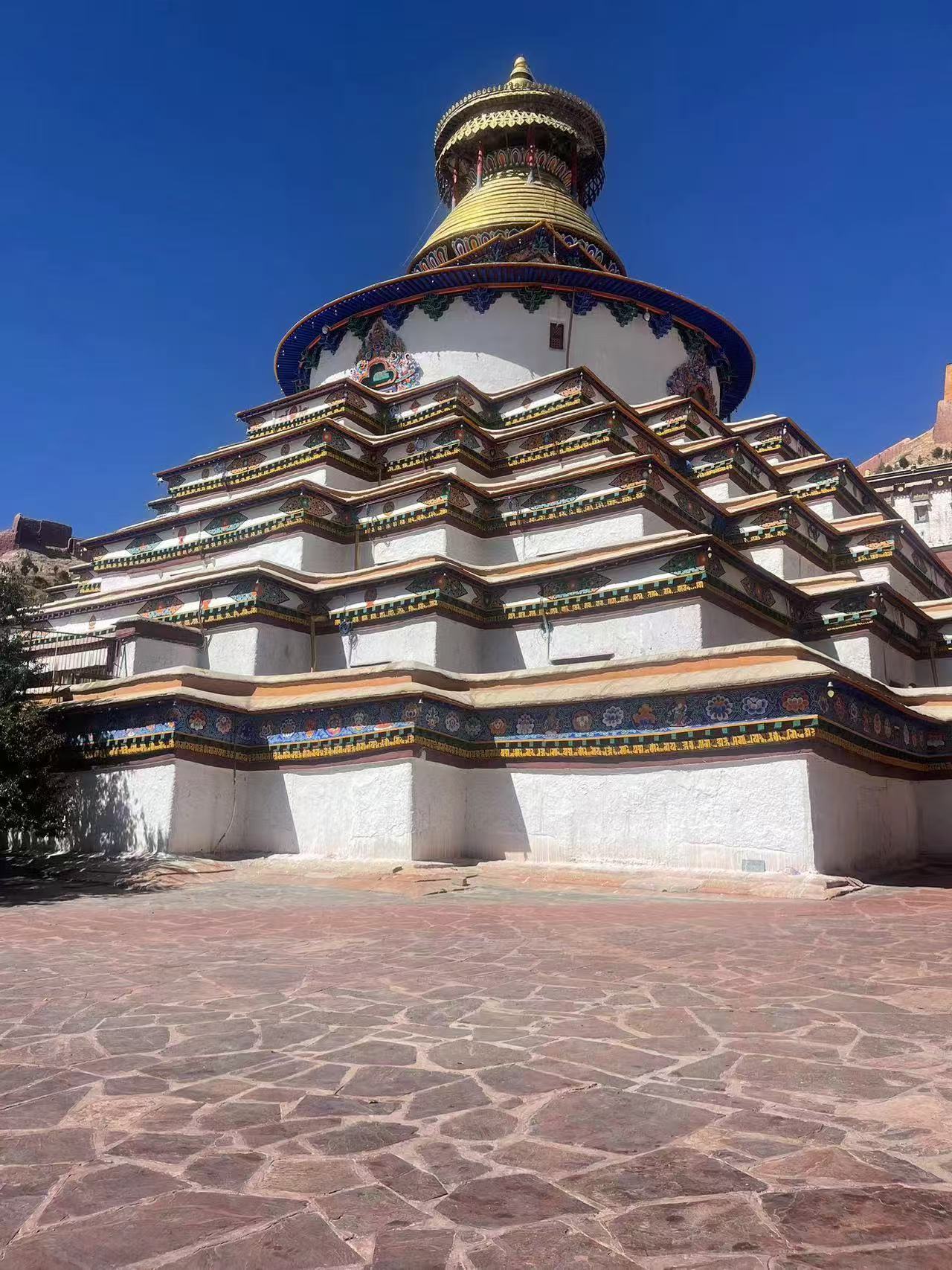
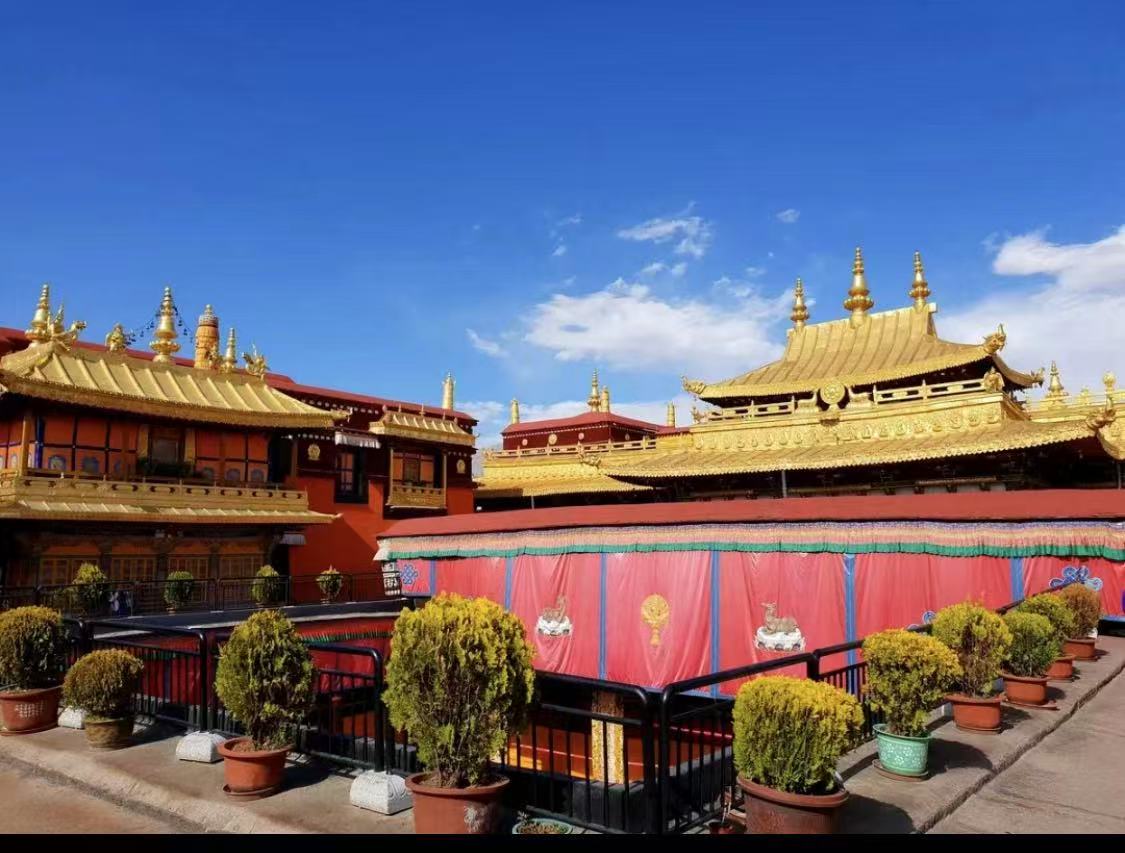
Quick facts about Mt. Kailash Mansarovar Yatra

Duration
10 Days

Trip Grade
Easy

Maximum Altitude
5630m

Group Size
2 to 25 People

Starts
Kathmandu

Ends
Kathmandu

Accomodation
Hotel

Best Time
Autumn, Spring


Trip Overview
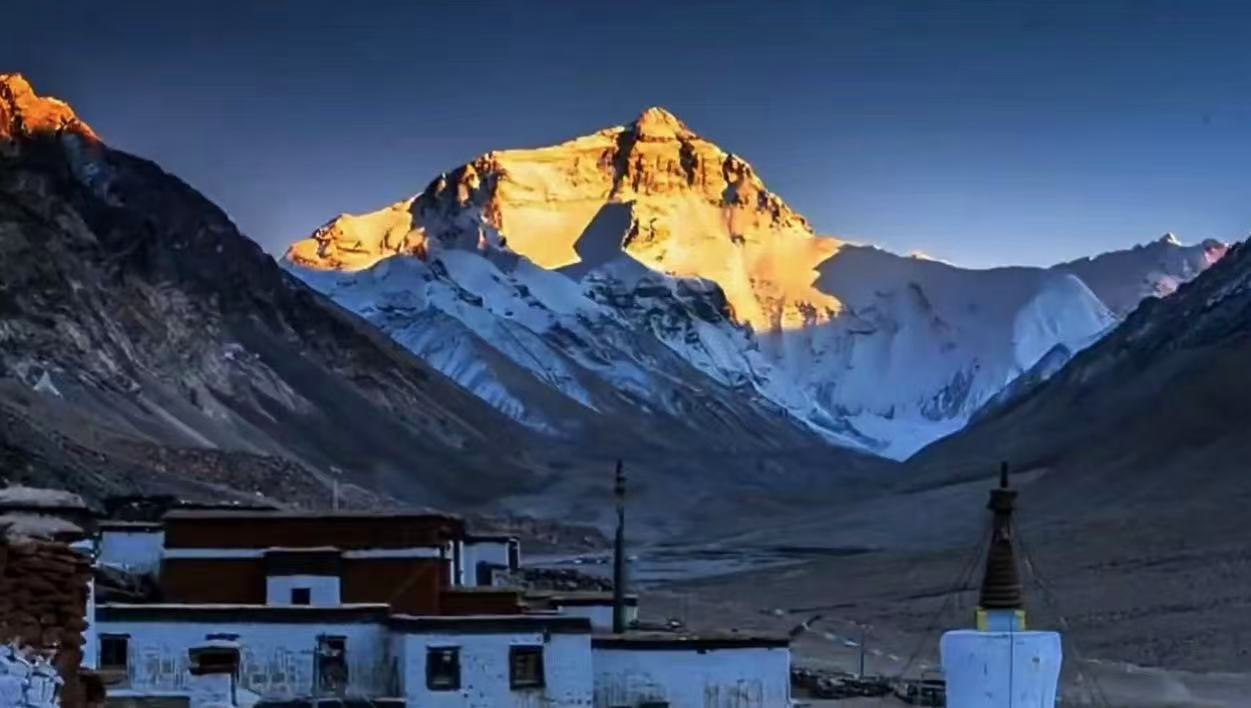
The Mt. Kailash Mansarovar Yatra is a remarkable journey that combines natural beauty, cultural discovery and deep spiritual meaning. Mount Kailash, which is in the Tibet Autonomous Region of China, is revered by the Hindus, Buddhists, Jains and followers of Bon. It is thought that a visit to this holy mountain and the adjacent Lake Manasarovar would give them inner peace and a lifetime experience. Though the trip is an adventure that will take you to some isolated places in the Himalayas, it is also a chance to learn the culture and lifestyle of the Tibetan people.
Kailash Mansarovar Tour starts in Kathmandu and then moves north to Nepal China border and there to Tibet. The vast majority of the trip is done by comfortable cars, which gives you the opportunity to appreciate the changing landscape that consists of green valleys, mountain passes, wide open plains, clear rivers and the traditional Tibetan villages. The further you go in Tibet, the more dramatic the landscape becomes, as the snow-covered mountains are intermingled with huge high-altitude plateaus in all directions.
Lake Manasarovar (4,558 m / 14,954 ft) is one of the most interesting places to see during the trip. The lake is characterized by its clear, blue waters and serene environment. The pilgrims perform prayers and religious rituals on its shores and then move on to Mount Kailash. The experience of being on the bank of the lake and gazing at the holy mountain is something that will not be forgotten by the pilgrims as well as the lovers of nature.
The Mount Kailash Pilgrimage also incorporates the popular Kailash Parikrama, a three day walkabout the mountain. The path goes through valleys, rocky terrain, prayer flag-draped passes and ancient monasteries. The highest point of the trek is Dolma La Pass at (5,630 m / 18,471 ft). Even though the trail is not very challenging technically, good preparation and appropriate acclimatization are essential due to the elevation. The completion of the circuit is seen as a significant accomplishment for pilgrims of the world.
The trek is ideal with reasonably fit travelers who would like to have an adventure in one of the most isolated areas in the Himalayas. There is different scenery, cultures and a silent moment every day. It does not matter whether you are going to Tibet to be spiritual, cultural or just to see the spectacular landscapes that only Tibet has to offer; this pilgrimage will be an enriching experience throughout. When you plan carefully, have an experienced guide and have reliable support from Himalayan Idol Adventure, you will be in a position to enjoy this once-in-a-lifetime experience without any problems.
Route Overview
The Mt. Kailash Mansarovar Yatra starts at Kathmandu and takes the overland route at Rasuwagadhi border into Tibet. Once immigration has been done, the process goes on to Kerung (2,800 m / 9,186 ft), where an acclimatization day allows your body to adjust to the higher altitude. The route then passes through Saga (4,450 m / 14,600 ft) before reaching the sacred Lake Manasarovar (4,558 m / 14,954 ft).
After visiting the lake and taking part in religious activities, the journey continues to Tarchen (4,565 m / 14,977 ft), the starting point of the Kailash Parikrama. The three-day trek goes through Dirapuk, the difficult Dolma La Pass (5,630 m / 18,471 ft) and Zuthulpuk and before returning back to Darchen. After the pilgrimage is made, it continues on the scenic road through Saga and Kerung back to Kathmandu and completes the memorable Himalayan experience successfully.
- Owner operated
- Price match guaranteed
- Tailored made trip
- Secured online payment

Trip Highlights
- Take part in the holy expedition of Mount Kailash and the sacred lake Manasarovar.
- Follow the three-day Kailash Parikrama amid the breathtaking Himalayan landscape.
- Climb the Dolma La Pass (5,630 m / 18,471 ft) that is the highest point of pilgrimage.
- Take in the initial memorable scenes of Mount Kailash as it stands high above the Tibetan Plateau.
- Take part in a holy bath and Puja at the peaceful shores of Lake Manasarovar (4,558 m / 14,954 ft).
- Explore the vast Tibetan Plateau with its mountain, lake and desert landscape.
- Travel to the typical Tibetan towns and explore the culture and life of the local people.
- Get panoramic views of the Peku Tso Lake, snow-covered peaks, deep valleys and broad open plains.
- Stroll through the old monasteries, colorful flags and holy places full of spiritual meaning.
- Explore with knowledgeable guides and properly planned assistance to have a secure and comfortable pilgrimage experience.

Detail Itinerary
Day 01: Kathmandu Drive to Kerung
We start the day by taking an early breakfast in Kathmandu and then we head northwards to the Nepal-China border. The road cuts across hills, river valleys and small towns, providing you with an opportunity to experience rural life in Nepal.
As the drive goes on, one looks at the beautiful mountain views, green forests and terraced farmland on the way. We take a few breaks to stretch, have a view and take pictures.
We take lunch after we reach Timure and thereafter we complete the Nepal immigration process at Rasuwagadhi, nearby Timure. After the border formalities are completed, we cross into Tibet and meet our Chinese guide and driver who will guide us through the rest of the pilgrimage. We then drive a few more miles to Kerung after passing the Chinese immigration processes.
Kerung is located at a height of (2,800 m / 9,186 ft) and is encircled by mountains and tranquil valleys. Once you have checked into the hotel, you can rest and get ready to embark on the journey. The first night here is also good for getting your body started to get used to the elevation.

Activity: 8 to 9 hours Drive

Accommodation: Hotel

Meal: Breakfast, Lunch, Dinner

Max Altitude: 2,800m/9,186ft. (Kerung)
Day 02: Rest Day and Hiking in Kerung
This is a day of rest and of acclimatization to the altitude before going up to high altitudes. In the morning, after eating breakfast, you may spend some time relaxing at the hotel or walk around Kerung, very slowly, as this will assist your body to adapt to the altitude. The chances of getting altitude sickness in the days ahead are significantly lowered when one takes it easy today.
Then have a little hike to hills and lookouts around Kerung. The stroll is enjoyable with snow-clad mountains, valleys of green land and traditional Tibetan villages. You can also encounter local citizens along the way and see their everyday way of living, which provides another addition to your visit related to culture.
Go back to the hotel in the afternoon and have lunch and lots of rest. Take plenty of water, stay out of hard work and get your equipment ready to drive a long distance the next day to Saga.
Activity: 3 to 4 hours Acclimatization Hike
Accommodation: Hotel
Meal: Breakfast, Lunch, Dinner
Max Altitude: 3,200m/10,499ft. (Kerung)
Day 03: Drive to Saga
We have breakfast and then start an adventurous journey across the Tibetan Plateau to Saga. As the road ascends, the scenery shifts from green valleys into broad open plains with rugged mountains enveloping them. The ride also has spectacular views of the distant beauty that makes Tibet unique.
Along the route, we cross the beautiful Labug La Pass (5,050 m / 16,568 ft), one of the highest points of today’s journey. The clear blue waters of Peku Tso Lake, one of the largest lakes of western Tibet, are also seen. The region harbours herds of yaks, sheep and Tibetan nomads who dwell in traditional tents.
We then cross the great Brahmaputra River later in the afternoon before reaching Saga at (4,450 m / 14,600 ft). Once you check into the hotel, you will be able to relax and to get used to the greater altitude.
Activity: 6 to 7 hours Drive
Accommodation: Hotel
Meal: Breakfast, Lunch, Dinner
Max Altitude: 5,050m/16,568ft. (Saga)
Day 04: Drive to Lake Manasarovar
Today is the longest driving day of the pilgrimage. We depart Saga after breakfast and cross the expansive Tibetan Plateau and head towards the holy Lake Manasarovar. The road goes through broad valleys, rivers, grazing lands and spectacular mountainous landscapes. On your journey, you can encounter herds of yaks, sheep and wild animals wandering in the open country.
As the trip progresses, the mountains on the southern horizon are covered with snow and they make beautiful scenes against the blue sky. The current drive is one of the most picturesque sections of the journey, comprising rocky hills, dunes and colorful plains. Later in the afternoon, the holy Mount Kailash and turquoise lake Manasarovar can be seen.
Lake Manasarovar (4,558 m / 14,954 ft) is considered one of the most sacred lakes of both Hinduism and Buddhism. Upon reaching the lake at Hore, settle in your place of stay, relax in the calm environment and go to sleep.
Activity: 8 to 9 hours Drive
Accommodation: Hotel
Meal: Breakfast, Lunch, Dinner
Max Altitude: 4,558m/14,954ft. (Lake Manasarovar)
Day 05: Puja at Lake Manasarovar and Drive to Tarchen
Get up early to enjoy the serene Lake Manasarovar. A lot of pilgrims start the morning with a holy bath or gathering holy water at the lake. A special Puja is done by the lakeshore where you can pray and take blessings before the Kailash Parikrama. Mount Kailash and the silent scenery of the Himalayas make this one of the most memorable moments of the pilgrimage.
We come out of the lake after undergoing the religious ceremonies and drive to Tarchen, the foot of the well-known mountain Kailash. Tarchen is at a height of (4,565 m / 14,977 ft) and is the base of the three-day Kailash Kora.
On arrival at Tarchen, check in at the guesthouse and rest of the day preparing to go out on the trek. Prepare your gear, get to know your support team and sleep soundly before starting on foot with the pilgrimage the next morning.
Activity: 1 to 2 hours Drive and Pilgrimage Preparation
Accommodation: Hotel
Meal: Breakfast, Lunch, Dinner
Max Altitude: 4,565m/14,977ft. (Tarchen)
Day 06: Trek to Dirapuk
The Kailash Parikrama, which is one of the significant aspects of the pilgrimage, starts today. We have breakfast and then drive a short distance to Yam Dwar, which is the traditional start of the trek.
At this point we start walking in the beautiful Lha Chu Valley, which is surrounded by rocky hills, flowing streams and expansive open landscapes. The north face of Mount Kailash is seen on a number of occasions as the trail progresses and the views are indelible.
The hike is on a slow uphill route, which is easy even at the elevated level. On your path, you can encounter prayer flags, yak caravans and pilgrims from various areas of the world. The serene environment and religious feel render the present-day walk both fulfilling and unforgettable.
By late afternoon, we arrive at Dirapuk, located at (5,000 m / 16,404 ft). This is one of the closest and the clearest views of Mount Kailash from this campsite. Check into the guesthouse and have dinner to enjoy the mountain view and retire to sleep.
Activity: 6 to 7 hours Trek
Accommodation: Guesthouse
Meal: Breakfast, Lunch, Dinner
Max Altitude: 5,000m/16,404ft. (Dirapuk)
Day 07: Trek to Zuthulpuk via Dolma La Pass
The longest, most difficult and most sacred day of the Kailash Parikrama is today. Our journey starts before the sun rise and we gradually ascend to Dolma La Pass. As we ascend, the trail is steeper and a slow and gradual pace is needed. On the road, we drive by Shivasthal, a holy site and place where prayer flags are left behind by countless pilgrims who present offerings symbolic of their pilgrimage.
Once we have successfully ascended the mountain, we are at Dolma La Pass (5,630 m / 18,471 ft), which is the summit of the entire pilgrimage. It is a common place where pilgrims pause to have prayers and have a magnificent view of the mountains around. The route is very steep and it passes by the holy Gauri Kund, which is a small lake that is strongly linked with Goddess Parvati.
Going on across rugged dales and barren areas, we eventually arrive at Zuthulpuk, home of the meditation cave of the Buddhist saint Milarepa. Once we check in at the guesthouse, we have a well-deserved rest after the toughest day of the trek.
Activity: 9 to 10 hours Trek
Accommodation: Guesthouse
Meal: Breakfast, Lunch, Dinner
Max Altitude: 5,630m/18,471ft. (Zuthulpuk)
Day 08: Short Trek and Drive to Saga
Having eaten breakfast, we finish the last part of the Kailash Parikrama by an easy and short walk through a wide valley. The road slowly runs down with a river and goes through prayer walls, little bridges and open grasslands until one gets to the location of our vehicle.
We drive off with the driver meeting us and head back to Darchen and on to Saga. The journey back is along the enormous Tibetan Plateau, rivers, grazing lands and mountains. On the way, one has the chance to enjoy the serene landscapes and engage in spiritual reflection by the accomplishment of the sacred pilgrimage.
By early evening, we arrive in Saga at (4,450 m / 14,600 ft). Once you have been checked into the hotel, you can relax, have a warm meal and rest after the last three days of trekking.
Activity: 2 hours trek and 6 to 7 hours drive
Accommodation: Hotel
Meal: Breakfast, Lunch, Dinner
Max Altitude: 4,690m/15,387ft. (Saga)
Day 09: Drive Back to Kerung
We leave Saga after breakfast and start the journey back to Kerung around the Nepal-China border. The drive takes the same scenic highway across the Tibetan Plateau, which is another opportunity to appreciate the dramatic scenery of western Tibet. The journey is characterized by beautiful scenery with wide valleys, rivers, mountain passes and grazing lands.
The lower we go, the more oxygen-saturated the air and the more comfortable the drive. You can also see herds of yaks and sheep that are grazing on the open plains on the way and taking in the last sights of the Tibetan countryside.
In the afternoon we reach Kerung at (2,800 m / 9,186 ft) and go to the hotel. The rest of the day is at liberty to rest, sightsee or prepare to cross back into Nepal the next morning.
Activity: 6 to 7 hours Drive
Accommodation: Hotel
Meal: Breakfast, Lunch, Dinner
Max Altitude: 4,450m/14,600ft. (Kerung)
Day 10: Drive Back to Kathmandu
We depart Kerung after breakfast and head towards the Nepal-China border. On arrival, we undergo the necessary immigration and customs procedures and cross over to Nepal. The border processes can be time-consuming depending on the number of travelers and therefore, patience is necessary in the process.
After all formalities are done, we resume the scenic ride towards Kathmandu. The road runs through the mountain valleys, rivers, forests and traditional villages and is a nice way to end the pilgrimage. As we sink lower in altitude, the well-known Nepalese scenery slowly comes back.
In the evening, we reach Kathmandu, marking the end of our journey to Kailash Manasarovar. Once you enter the hotel, it is time to rest or rejoice with your fellow pilgrims at the successful end of this tour to remember.
Activity: 7 to 8 hours Drive
Meal: Breakfast, Lunch
Max Altitude: 2,800m/9,186ft. (Kathmandu)
If our standard itinerary doesn't fully meet your needs, we are happy to tailor it to your specific preferences and requirements.
Trip Information of Mt. Kailash Mansarovar Yatra
How difficult is the trek?
The Mt. Kailash Mansarovar Yatra is a moderately difficult to challenging pilgrimage. The majority of the trip is by road, although the three-day Kailash Parikrama involves walking at extremely high altitudes. The trail is not that challenging, per se but the thin air makes the walking significantly more challenging than at the lower altitude. The highest point of the trek is Dolma La Pass (5,630 m / 18,471 ft).
The initial trekking day to Dirapuk is on a slow route and can be taken by most healthy tourists. The second day is the most difficult as it is characterized by ascent to Dolma La Pass followed by the descent on a rocky surface. The last day is less demanding and is an easier day to finish the circuit.
Prior experience in trekking is preferable but not compulsory. A lot of first-time pilgrims complete the journey successfully every year with proper acclimatization, a slow walking pace and good physical preparation. During the trek, it is important to listen to your guide and keep well hydrated.
Best Time to do this trek: Month by Month Visibility & Weather Guide
Kailash Mansarovar Tour is considered to be best accomplished during the months of May to September when roads are normally open and there is stability in weather conditions. Temperatures may fluctuate rapidly during these months due to high altitude and thus warm clothes are essential.
The weather in May is cool, skies are clear and there are fewer visitors. June has warm daytime temperatures and a great view of the mountains. It is a little warmer in July and August, yet there can be occasional rain on the Nepal side and occasional showers in Tibet. Another good month is September; it is dry, the air is crisp and the views of Mount Kailash and Lake Manasarovar are beautiful.
In October, it gets very chilly, in the higher altitudes and snow may cover Dolma La Pass. The snow and the harsh winter season between November and April make the pilgrimage a challenge and during the season, most tours are not carried out because of the weather and the road conditions.
Transportation, Food and Accommodation
The Mount Kailash Pilgrimage is mostly done by comfortable tourist vehicles after entering Tibet. Transport is normally provided either by a bus or a Four Wheel Drive vehicle depending on the number of people. Mostly the roads are paved but a few areas might be rough as road repairs are being done or due to some weather conditions.
Food on the way is mostly basic but nutritious. Breakfast usually consists of bread, eggs, porridge, tea or coffee. Lunch and dinner typically include rice, noodles, vegetables, soup and various vegetarian and non-vegetarian dishes. Some towns offer fresh fruits and packaged snacks but the options are fewer in remote areas.
During the voyage, there is a fluctuation in accommodation. Hotels in Kerung and Saga tend to provide comfortable rooms at a cheaper rate than the rest, with attached bathrooms. Around Lake Manasarovar and when doing the Kailash Parikrama, accommodation becomes a lot easier and basic guesthouses or rooms in the dormitory style are available. Tourists are advised to visit these far-flung places with low facilities and to be ready to experience a more primitive mountain experience.
Altitude Sickness
Since a significant part of the pilgrimage occurs at elevation (4,500 m / 14,764 ft), the issue of altitude sickness remains one of the key concerns when it comes to the pilgrimage. The amount of oxygen is reduced as you ascend, leaving your body more difficult to adapt. The typical symptoms are headache, fatigue, lack of appetite, dizziness, nausea and insomnia.
Effective acclimatization can significantly decrease the risk of severe altitude illness. Having a rest day in Kerung will enable your body to adjust before you go to higher heights. Consuming water in large quantities, avoiding alcohol, taking light meals and walking slowly is also known to make your body adapt more easily.
Himalayan Idol Adventure takes its time in planning the itinerary by ensuring that the altitude increase is gradual and that guides assigned have experience and are capable of keeping track of all the travelers. In case of severe symptoms, the best thing to do is to descend as soon as possible and seek medical care. Report any cases of altitude sickness to your guide to take swift measures.
Fitness & Training Plan for the Trek
The Mt. Kailash Mansarovar Yatra does not involve any technical climbing, yet it involves good physical fitness. Even though a lot of the trip is done by road, the three-day Kailash Parikrama involves days and nights of walking at high altitude. Even the gradual uphill stretches at low altitudes would seem harder than before due to the low oxygen levels.
You should start preparing not less than six or eight weeks before you go away. Frequent walking, hiking, jogging, cycling or swimming will contribute to increased endurance. Goal: 30-60 minutes exercise every 4-5 days of the week. Incorporating some stair climbing and light leg and core strength training can also help make the walk more comfortable.
Hike as much as you can with a small daypack, as this will allow your body time to get used to carrying the necessary things. After a workout, it is better to stretch to increase flexibility and lessen muscle soreness. In case you have any medical conditions, see your doctor before participating in the pilgrimage so that you are fit to complete the high-altitude journey.
Visa and Permits and Necessary Documents
The Kailash Mansarovar Tour involves several travel documents since the pilgrimage is held in the Tibet Autonomous Region in China. All the travelers must have a valid passport with at least six months of validity. A Chinese Group Visa is also required by most foreign visitors when they are joining an organized tour from Nepal as opposed to a single Chinese tourist visa.
Besides the visa, one has to acquire special travel permits to visit western Tibet and the Mount Kailash area. These permits are pre-planned with the help of authorized Tibetan travel agencies in collaboration with your tour operator. It is not allowed to travel to Mount Kailash independently as per the regulations.
You might also bring some passport-size pictures, details of travel insurance, contacts in case of an emergency and a copy of your passport. Himalayan Idol Adventure will advise the documents needed and help with the permit process before travel to help make the journey smoother.
Health & Safety on the Trek: Emergency Support and Evacuation
Mount Kailash Pilgrimage is an event that is held in a remote region of Tibet which is not well equipped with medical facilities. This is why planning and professional assistance are valuable during the trip. Guides keep a check on the travelers to identify signs of altitude sickness and other health-related issues and promote the correct acclimatization and hydration.
Bring with you personal drugs, as well as a simple first aid kit with pain reliever medicine, bandages, blister medication, antiseptic cream and prescription medications as prescribed by your doctor. Bringing sunscreen, lip balm, sunglasses and warm clothes is also useful to shield yourself against the strong sun and fluctuating mountain weather.
When dealing with a medical emergency of serious nature, the first thing is to take the affected traveler to a lower altitude. Vehicular evacuation to the nearest medical facility is normally organized depending on weather conditions, accessibility of roads and local regulations.
Mobile Network, Internet & Charging Facilities Along the Trail
There is mobile coverage in the Mt. Kailash Mansarovar Yatra according to where you are. The bigger towns, like Kerung, Saga and Darchen, mostly have good Chinese mobile coverage, whereas remote areas in trekking around Mount Kailash have none or weak coverage. It can also lose coverage during long periods when commuting between towns.
Kerung and Saga hotels usually have Wi-Fi and internet connections are very slow and do not always work. Internet connectivity is extremely low during the Kailash Parikrama and not all guesthouses have Wi-Fi connectivity. It is preferable to warn the family members of the trek that there might be no communication over a number of days.
Most hotels and guesthouses have charging facilities but power may sometimes cut out in rural locations. It is highly advised to carry a high-capacity power bank and spare camera batteries. A universal travel plug will also come in handy, because China and Nepal use different types of electrical plugs.
Travel Insurance
The Kailash Mansarovar Tour will explore remote and high-altitude areas where weather conditions and itineraries are subject to change. That is why it is highly advised to purchase extensive travel insurance before the journey. Your policy must last throughout the trip and be valid when travelling in Tibet.
Select an insurance policy which covers emergency medical care, hospitalization, cancellation of the trip, trip interruption, missing baggage and personal accident insurance. Above all, it must incorporate the evacuation of high altitude areas in case of an emergency. In Tibet, the use of helicopter rescue is not always present but your insurance should also include evacuation on the ground and medical transportation (where possible).
Always read your policy and purchase to know what is covered and any exclusions on high altitude travel. Keep a copy of your insurance certificate both printed and electronic and the emergency contact numbers. The appropriate insurance gives one financial coverage and a sense of security during the pilgrimage.
Language & Communication
Mount Kailash Pilgrimage has been traversed by both Nepal and Tibet and therefore you will hear numerous languages on the way. Nepali and English are widely spoken in hotels and by professionals in tourism in Nepal. Mandarin Chinese and Tibetan are the predominant languages spoken by local people after crossing into Tibet.
A majority of international tour groups are escorted by an English-speaking Tibetan guide who assists in communication and touring as well as local arrangements. This will greatly simplify communicating with hotel staff, drivers and the local authorities during the trip.
A thoughtful way to respect the local communities is to learn some basic greetings in Tibetan or Mandarin but it is not essential. Application translators can also come in handy in towns where the internet can be accessed but they will not be applicable when trekking far. It is also advisable to have important details of hotels, emergency contacts and travel documents printed in case of the lack of mobile service.
Flying Back from Ngari Gunsa Airport Instead of Driving: Cost, Time & Booking Tips
The Mt. Kailash Mansarovar Yatra trip can be concluded on a flight out of Ngari Gunsa Airport rather than driving back to Kerung, though this will be a carefully thought-out strategy. Ngari Gunsa Airport has no direct flights to Kathmandu. Visitors usually fly between Ngari and Lhasa, take their time to complete airport and immigration processes and proceed to board another international flight at Lhasa to Kathmandu. Lhasa may also require an overnight stay in the flight schedules.
This alternative would help save a few days of overland transportation, which is appealing to time-starved travelers. Nonetheless, it tends to be more costly than going back by road due to domestic travel, further lodging, travel to and from the airport and airline expenses. The availability of flights is also subject to alteration with the season and weather.
The Kailash Mansarovar Tour requires special permits in Tibet and travel between a road trip and a flight trip usually necessitates revising your travel plans and formalities. This is why you are advised to tell your tour operator a long time before you set off on your trip whether you would like to fly back out of Ngari. There might be no last-minute requests, as the flights, permits and transportation must be prearranged.
In case you are going with Himalayan Idol Adventure, it is better to talk about your choice of a return during booking. The team will be able to clarify the most recent schedules of flights, approximate prices, documents required and whether or not the itinerary could be modified to accommodate the Ngari-Lhasa- Kathmandu route. Prior arrangement will save confusion and all the travelling arrangements are made before you start the pilgrimage.
Useful Tips for the First-Time Travellers
Is the Trek Suitable for Kids and Teenagers? An Honest Age Guide
The Mt. Kailash Mansarovar Yatra is also not advisable for small children as the trip is extremely high and has long driving days. Physically fit and comfortable teenagers who have good health may complete the pilgrimage. Parents will have to consult a doctor before making the trip. All participants ought to be capable of self-locomotion, adhere to safety guidelines and be able to cope with the changing weather conditions and elevation.
Is this Trek Suitable for Seniors? What to Expect at 60+
Each year, a lot of pilgrims are aged 60s and even 70s who fill in the pilgrimage. Age is not as important as good overall health. Consult your doctor before traveling, in case of heart, lung or other illnesses. High altitude may increase the demands of walking and it is important to be slow and to allow adequate acclimatization. Exercise and frequent walking before the trip will make the trip more comfortable.
First Himalayan Trek Ever? Why This Trek Is Ideal for You
It could be your initial trekking experience in the Himalayas if you are well prepared and informed about the difficulties. The majority of the trip is by vehicle, with the trekking part taking three days. The path is not very challenging, yet the elevation makes it arduous and slow. The best way to increase the likelihood of your success in completing the pilgrimage is to keep hydrated and allow your body time to adjust, as recommended by your guide.
Can You Do This Without a Guide? Is It Legal and Is It Wise?
No. According to the current Chinese regulations, independent travel to Mount Kailash in Tibet is not allowed. Foreigners are obliged to participate in a pre-organized tour, which is organized by an authorized company and has the necessary permits and a certified guide. Although independent travel might be permitted, the remote area, elevation and absence of facilities ensure that guided travel is the safest option. A guide also helps with permits, transport, accommodation and emergency assistance during the trip.
How Crowded Is This Trek?
The pilgrimage is most popular during May-September and during the Saga Dawa Festival when many Tibetan pilgrims pay a visit to Mount Kailash. The route is typically very quiet even in peak season when compared to popular trekking routes in Nepal. There will be some points where guesthouses and vehicles will be congested, yet most parts of the trip will be filled with expansive open spaces. It is advisable to book in advance when traveling during the peak months.
Solo Female Trekkers on This Trek: Safety and Practical Notes
Individual female tourists are often part of organized tours of Mount Kailash and usually experience a safe adventure. You are not alone in the trip, as the trip is done in groups and guided by licensed guides. Be respectful of the local traditions, dress decently and act as per the instructions of your guide. Store your valuables and send your itinerary to family before traveling. Using a reputable tour company increases a further level of security and assistance during the pilgrimage.
Best Photography Spots on the Trail
The trip is a great place to capture some great photos. Lake Manasarovar is ideal in terms of getting reflections of Mount Kailash during sunny mornings. Mount Kailash has some of the nearest mountain views on the trek on its north side by Dirapuk. Dolma La Pass has dramatic high-altitude scenery and Gauri Kund, Peku Tso Lake and the broad Tibetan Plateau are also good places. The best natural light is normally during sunrise and sunset.

Frequently Asked Questions
Yes. Darchen has local porters and yaks who can be employed to transport your luggage in the three-day Kailash Parikrama. It is advisable to book early in advance during the peak season.
Once within Tibet, there are a lot of restrictions on the use of ATM and they may not be reliable with international cards. Bring as much Chinese Yuan as you can out of Kathmandu or Kerung.
Even hotels in bigger towns tend to have modern toilets. When doing the Kailash Parikrama, guesthouses and rest stops have simple shared toilets with basic facilities.
Remote areas do not accept card payment. Personal expenses, snacks, drinks and optional services are best paid by cash.
Yes. There is a large supply of vegetarian meals and they are usually provided to pilgrimage groups. Any vegan and special diet requests are to be informed before departure.
Drones are not allowed to fly in most of Tibet and areas along the sensitive borders. Prior authorization might be necessary and unlicensed flights can result in confiscation or fines.
Carry less and bring only the most necessary clothes and equipment. A duffel bag together with a small daypack would be enough for the whole pilgrimage.
Yes. Major towns have bottled water, soft drinks, biscuits, chocolates and basic snacks but there are limited options when going on the trekking part.
The Chinese Yuan (RMB) is the official currency in Tibet. Money should be exchanged before entering Tibet since there are few exchange facilities.
Only your visa, permits and itinerary permit the extensions. Any further traveling will have to be done previously with your tour operator.
- Owner operated
- Price match guaranteed
- Tailored made trip
- Secured online payment
 Testimonial
