Booking open: Secure your trip early for the seasons 2026 & 2027


Ganesh Himal Trek

Quick facts about Ganesh Himal Trek

Duration
13 Days

Trip Grade
Moderate

Maximum Altitude
4100 m

Group Size
2-20

Starts
Kathmandu

Ends
Kathmandu

Accomodation
Tea house, Camping

Best Time
Oct-Dec & Mar-May


Trip Overview
Ganesh Himal Trekking is a rewarding journey through one of Nepal’s peaceful mountain regions. The route leads away from the popular trekking routes and into scenic forests, traditional villages and peaceful valleys where local culture plays a significant role. From start to finish, you’ll enjoy the scenic views, friendly communities and changing landscapes of the Ganesh Himal range. The walk is a combination of nature and culture, and is ideal for those who want to walk through the Himalayas in a more peaceful way.
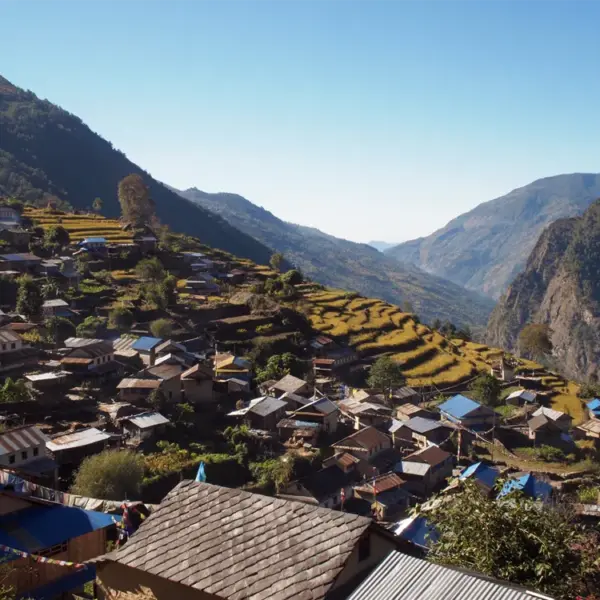
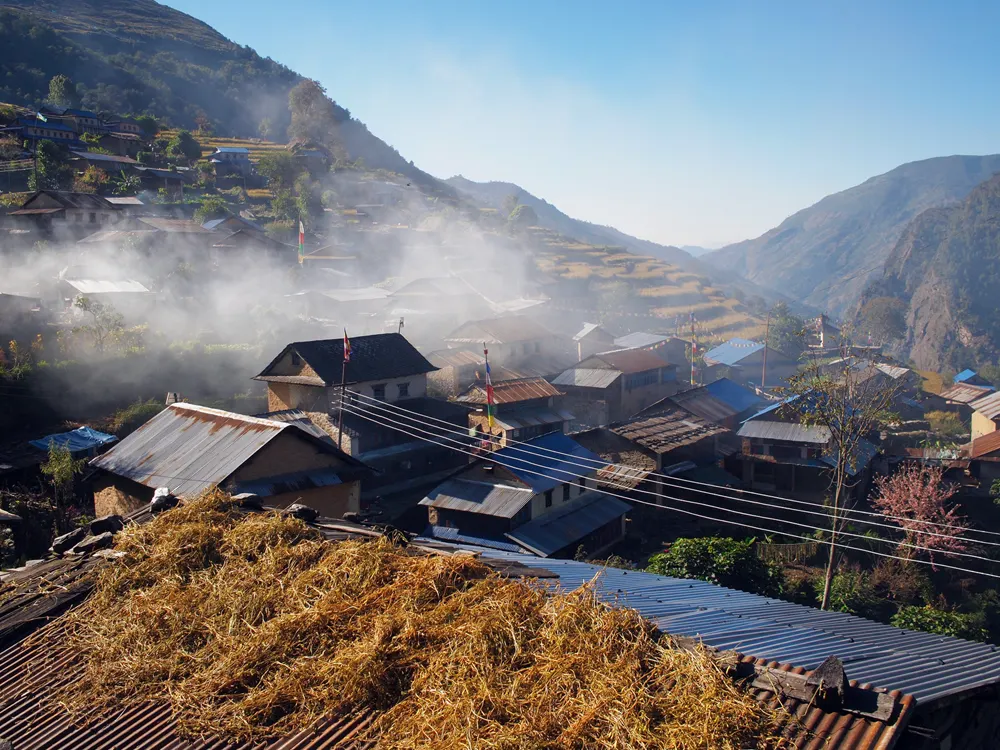
The last leg of the Ganesh Himal Trek begins in Kathmandu and goes to the central hills of Nepal. The stone-built traditional houses, terraced farms, monasteries, colorful prayer flags will be seen during the walk through the Tamang and Gurung villages. The locals will embrace you with open arms and you can get a glimpse of their culture, traditions and lifestyle. The trail opens up to new views daily, with pine, oak and rhododendron forests leading to upland alpine terrain.
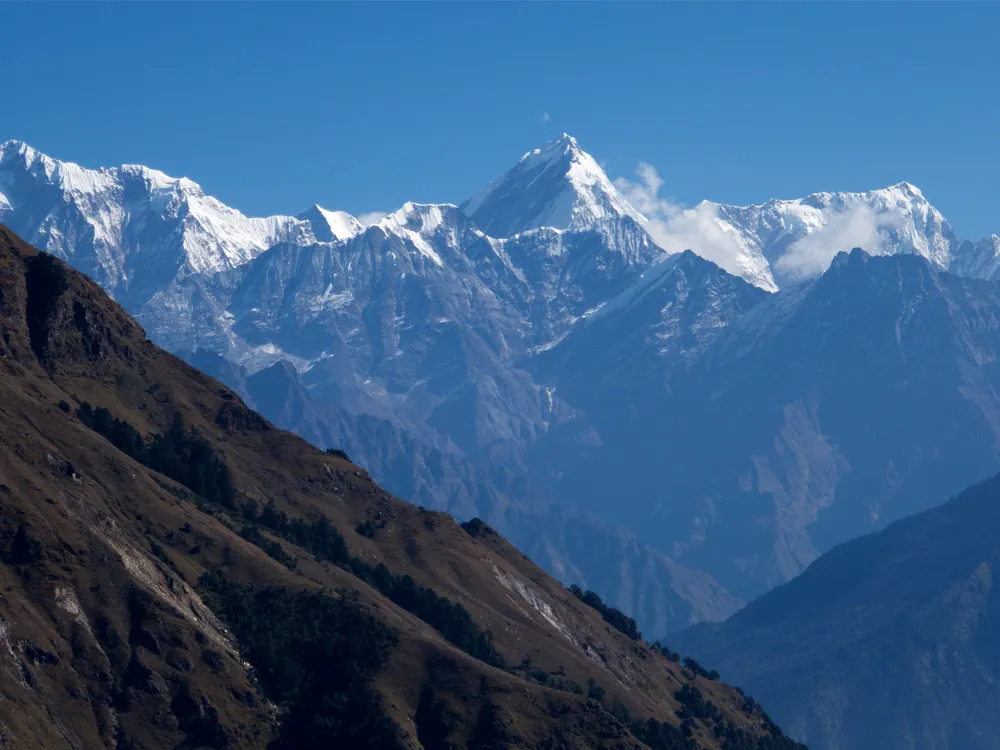
This includes a crossing of Shing La Pass (4,100 m / 13,451 ft), one of the highlights of the trip. The pass provides a panoramic view of Ganesh Himal, Langtang Himal, Manaslu and many other peaks. The trail winds through quiet mountain ridges and then plummets down to beautiful meadows and tiny hamlets along the way. If you are lucky, you will also see wildlife like Himalayan langurs, barking deer and different species of birds.
The Ganesh Himal trek route is planned to ensure that the trekker is not subjected to too large an increase in altitude and also provides sufficient time to appreciate the scenery along the way. The walks are generally 4 to 7 hours throughout the day and overnight stays take place in local basic accommodation or in the community. Mountain adventure and cultural exploration intertwine on each day without the feeling of haste, making it interesting yet different every day along the way.
The best months to do this trek are from March to May and September to November. Rhododendron forests are a magnificent sight in the springtime with their colourful flowers and during autumn, with clear skies and a wonderful view of the mountains. You can also do this trek in the winter period when there is snow around the higher passes, which may make crossing the Shing La Pass a bit more difficult.
This trek offers a memorable adventure out of the more popular areas of Nepal, whether you’re searching for quiet mountain trails, genuine village experiences or great Himalayan scenery. Himalayan Idol Adventure ensures a safe and comfortable trekking experience with experienced guides, reliable logistics and dedicated support throughout the journey.
Route Overview
The Ganesh Himal Trekking route starts with a scenic drive from Kathmandu to Betrawati, the point from where the trek starts. The path gently ascends through the typical Tamang villages, the terraced fields and forests of pine, oak and rhododendron. Overnight stops are made at Kispang, Thulo Chaur, Gonga and Rupchet before reaching the top of the trek, Shing La Pass (4,100 m / 13,451 ft).
Once across the pass, the trail passes through alpine meadows and serene villages such as Kharka, Borang, Jharlang and Kintang Phedi. Trekkers get to experience the beauty of the mountains, the culture of the people and the quietness of the land, which is far from the busy trekking routes. The trip concludes with a picturesque drive back to Kathmandu, a wonderful journey of the far-flung Ganesh Himal area.
- Owner operated
- Price match guaranteed
- Tailored made trip
- Secured online payment
No. of Persons
Price per Person
-
1 -
2 people
US$ 950
-
3 -
8 people
US$ 900
-
9 + people
9999
US$ 850

Trip Highlights
- Enjoy tranquil village life in the peaceful Tamang and Gurung villages and witness their authentic Himalayan culture
- The scenic trail overlooks Shing La Pass (4,100 m / 13,451 ft) with a view of Ganesh Himal, Langtang and Manaslu
- Experience secluded and peaceful trails off the main Nepal trekking paths
- Walk through stunning forests of pine, oak and rhododendron trees that are full of colour
- Discover remote mountain landscapes, alpine meadows, waterfalls and clear streams
- Lodge in traditional village accommodation and enjoy the hospitality of mountain villages
- Enjoy a chance to see a variety of animals such as the Himalayan langur, barking deer and birds
- Take in breathtaking sunrise and sunset views over the snow-covered Himalayan peaks
- Savor a wonderful blend of nature, culture and high mountain adventure
- Enjoy an indelible experience in the pristine environments of the Ganesh Himal region

Detail Itinerary
Day 01: Arrive at Tribhuvan International Airport, Kathmandu and Transfer to Hotel
Welcome to Nepal. If the weather is clear, you’ll see beautiful scenery of the Himalayan mountains as you approach Kathmandu. One of our representatives will welcome you outside the arrival terminal of Tribhuvan International Airport and drive you to your hotel.
Typically, the ride is about 20-30 minutes depending on traffic.
Upon arrival, you will be able to check in at your hotel, unwind after your trip or explore the local area if you arrive early. You can come into our office to meet our trekking staff if time permits. Your guide will give a comprehensive briefing about the trek, explain the programme for the upcoming days, check gear and answer any questions. This meeting is to get you ready for your adventure.

Activity: 20 to 30 minutes drive

Accommodation: Hotel

Meal: Breakfast

Max Altitude: 1,400m/4,593ft. (Kathmandu)
Day 02: Trek Preparation and Kathmandu Heritage Sites Tour
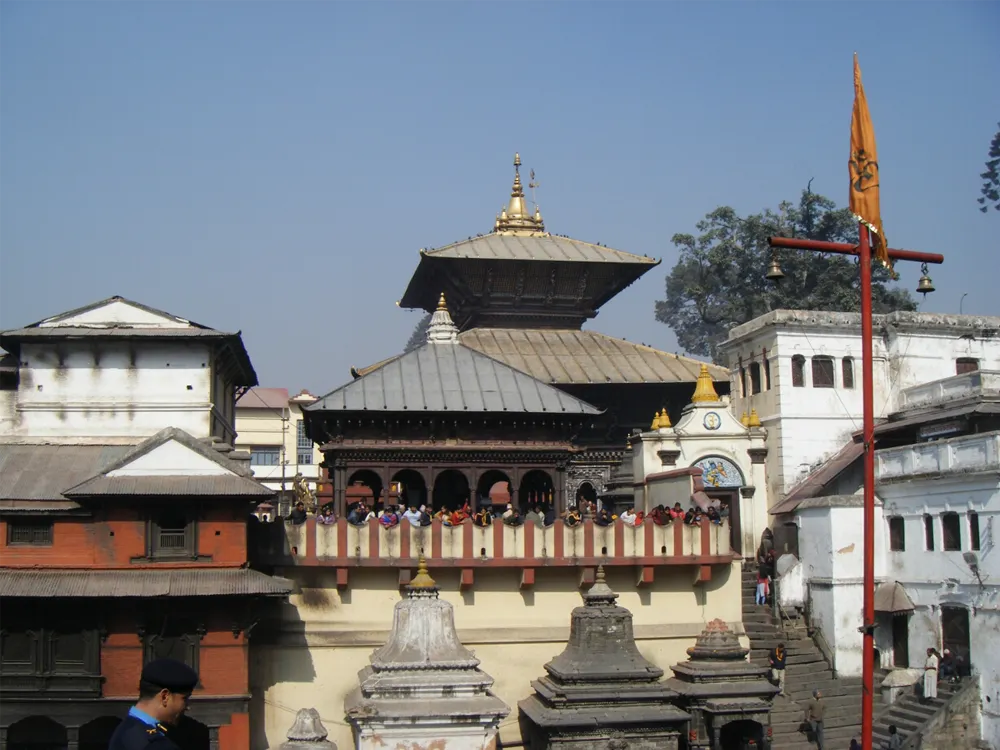
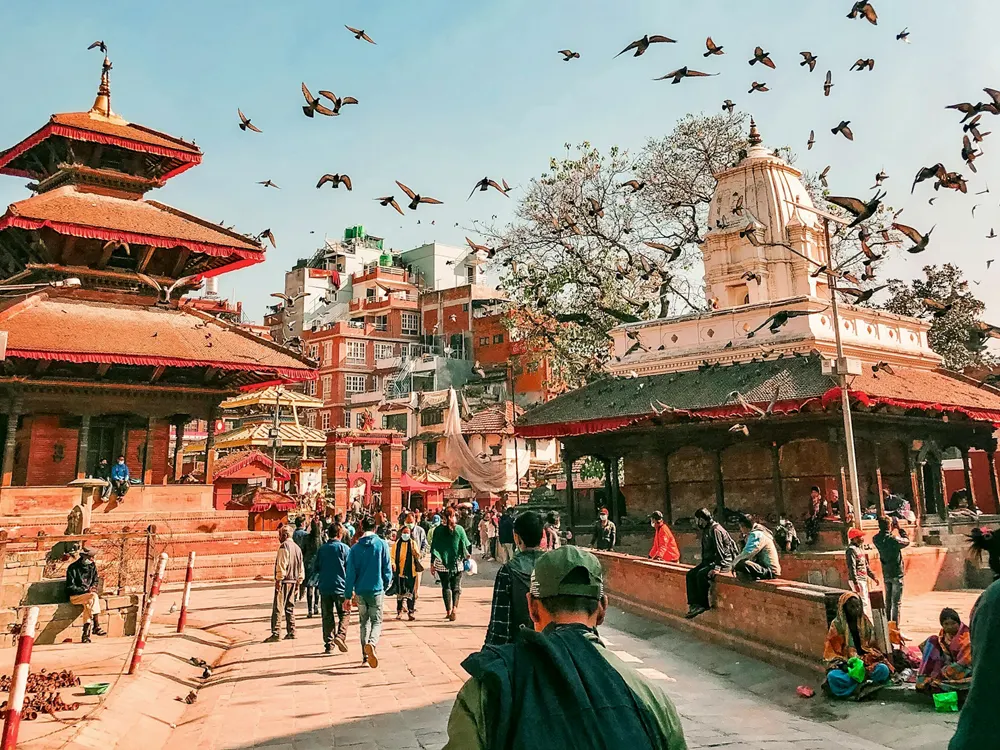
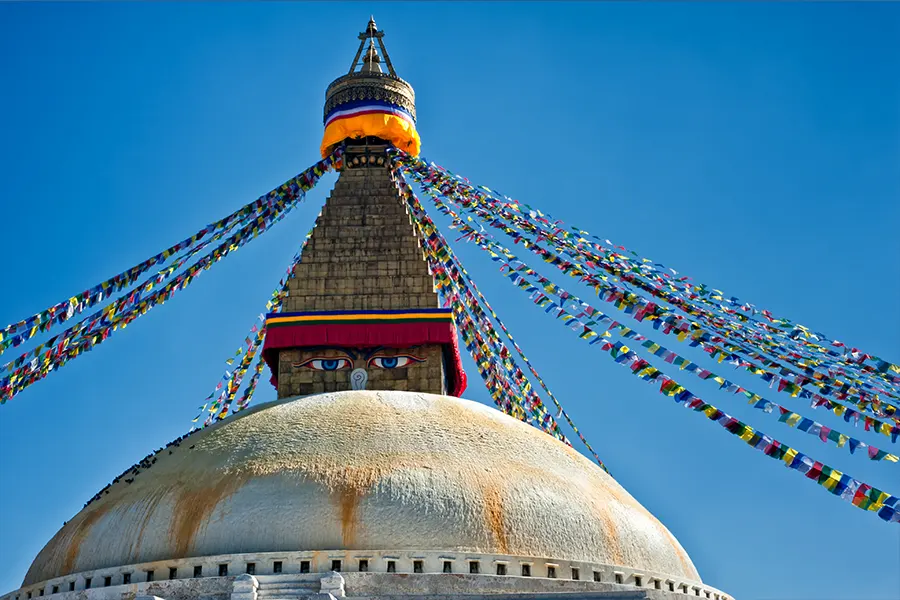
Today is the day for sightseeing and last-minute preparations for your trek. Post breakfast, you will visit several of the most important cultural and religious sites of the Kathmandu Valley. Sights include the Pashupatinath Temple, the Boudha Stupa, the Swayambhu Stupa and the Kathmandu Durbar Square. These are all near and are a great introduction to Nepal’s history, culture and architecture.
Following the sightseeing tour, you will go to our office for a detailed trekking briefing. Your guide will go over the route, accommodation, meals, safety procedures, permits and equipment. Also, this is a chance to rent or buy the remaining trekking equipment before heading out of Kathmandu the next morning.
Activity: 6 to 7 hours
Accommodation: Hotel
Meal: Breakfast
Max Altitude: 1,400m/4,593ft. (Kathmandu)
Day 03: Drive from Kathmandu to Betrawati
We depart Kathmandu early in the morning and head towards Betrawati. The route winds along mountain roads in small towns, through terraced fields and in river valleys. The landscape slowly turns back to a calm rural setting, featuring picturesque traditional villages and green hills.
The road is only about 67 kilometers from the main city, but after leaving the city, the road becomes rough and the trip takes about 5 hours. We take a break at a local restaurant for lunch and a few breaks as necessary.
Betrawati lies at a height of about 600 m (1969 ft) at the confluence of three rivers, namely Trishuli, Betran and Rudra Ganga. The Betran Ganga River is believed to be linked to the legend of Lord Shiva. Once we get here, we check in and get ready for our first day of trekking.
Activity: 5 hours
Accommodation: Hotel
Meal: Breakfast, Lunch, Dinner
Max Altitude: 1,400m/4,593ft. (Betrawati)
Day 04: Trek from Betrawati to Kispang
Today is our first day on the trek and we depart from Betrawati and slowly make our way towards the traditional Tamang village of Kispang. The path crosses tranquil farmland, picturesque villages and wooded hills. You walk around the countryside, enjoying the scenery and seeing the farmers at work on their fields as you ascend.
Mostly uphill, but the trail is steady, providing a comfortable introduction to the trek. Throughout the way, you will pass by many beautiful traditional stone houses and have chances to meet with the local Tamang families and learn about their culture and life.
Your main luggage will be carried by the porters and you will be able to walk comfortably since your guide will be leading the way. We reach Kispang (1,600 m / 5,249 ft) by late afternoon. The calm mountain town is a place for leisure before entering the depths of the Ganesh Himal region.
Activity: 5 hours
Accommodation: Teahouse
Meal: Breakfast, Lunch, Dinner
Max Altitude: 1,600m/5,249ft. (Kispang)
Day 05: Trek from Kispang to Thulo Chaur
We then depart from Kispang and head to Thulo Chaur on our trek. This is a quiet walking path through the countryside of the local people, who practice their traditional way of life. The walk ascends to higher ground and the countryside becomes woodland, mainly of oak, pine and rhododendron trees. In the spring, rhododendron forests are colorful with blossoms.
After lunch, we take a rest at a suitable point along the trail before continuing our journey. The afternoon walk leads us by some small waterfalls, the Buddhist chortens and local schools which serve the villages nearby. The route is a good day’s hike with a gentle and steady uphill grade with some gentle downhill sections. In late afternoon, we arrive at Thulo Chaur (2,200 m / 7,218 ft). Forests and open hillsides ring the village, offering a peaceful rest before climbing into the mountains.
Activity: 5 hours
Accommodation: Teahouse
Meal: Breakfast, Lunch, Dinner
Max Altitude: 2,200m/7,218ft. (Thulo Chaur)
Day 06: Trek from Thulo Chaur to Gonga
The trail of the day will lead to a further trek into the woods of the Ganesh Himal region. From Thulo Chaur, we go through thick pine, oak and rhododendron woods. It’s one of the most pleasant parts of the trek as the area is serene and the air is fresh. The villages are scarce and the nature is more pristine as we go higher.
There are several uphill and downhill sections of the trail, so a steady pace is required all day. If lucky, you might see wild animals like brightly colored Himalayan birds, wild boars, barking deer or Himalayan langurs.
The views slowly begin to clear as we ascend, providing us with our first view of the snow-clad ranges of Ganesh Himal. By afternoon, we arrive at Gonga, located at 2,900 m (9,514 ft). The quiet area is a great spot to rest and warm up before the tougher mountain treks that lie ahead.
Activity: 4 hours Trekking
Accommodation: Teahouse
Meal: Breakfast, Lunch, Dinner
Max Altitude: 2,900m/9,514ft. (Gonga)
Day 07: Trek from Gonga to Rupchet
We’re continuing to climb above the tree-line today as we head towards Rupchet. In the morning, there is a gentle climb up through trees of rhododendron and pine, followed by an open area. The air gets cooler as you climb to higher elevations and the mountain view becomes more stunning with every step.
The path winds through the alpine meadows and rock outcrops where one can glimpse a variety of wildlife, including the Himalayan tahr, the musk deer and langur. Higher elevation also offers us wide ranges of views of the Ganesh Himal range and the snow-covered peaks. In the afternoon, we arrive at Rupchet at an altitude of 3,635 m (11,926 ft). Tomorrow is the toughest day on the trek and the evening is used to catch up on sleep, enjoy the mountain views and prepare for the early morning crossing of Shing La Pass.
Activity: 4 hours Trekking
Accommodation: Teahouse
Meal: Breakfast, Lunch, Dinner
Max Altitude: 3,635m/11,926ft. (on)
Day 08: Trek from Rupchet to Kharka via Shing La Pass
Today is the toughest, but most rewarding day of the trek. This journey starts early in the morning and leads us up to Shing La Pass (4,100 m/13,451 ft) gradually. We walk carefully and take frequent breaks on the trail as it is steep, rocky and narrow in places. Pass offers us splendid view of magnificent Ganesh Himal, Langtang Himal, Manaslu and many other surrounding peaks.
After crossing the pass, we start a long descent through alpine meadows and grassy hillsides. The downhill trail is less strenuous on the lungs, but there is a need for caution in finding footing on uneven terrain. The ground again turns green starting where the elevation drops. By late afternoon, we arrive at Kharka, located at 2,500 m (8,202 ft). We reach the highest point on the trail and, after an exciting day, have a long and welcome night.
Activity: 7 hours Trekking
Accommodation: Teahouse
Meal: Breakfast, Lunch, Dinner
Max Altitude: 4,100m/13,451ft. (Kharka )
Day 09: Trek from Kharka to Borang
Once breakfast is over, we set off to head down towards Borang. Today’s trail winds through forest, open hillside and traditional settlement, gradually decreasing in elevation. This path is much easier compared to the previous day’s pass crossing, though there are a few tricky steep sections that you will need to foot carefully.
The atmosphere gets warmer and vegetation denser on our way down.
The trail passes through small Tamang villages where you can see local houses, terraced fields and the daily life of the villages. There are several fine vistas along the way that give views of the surrounding hills and valleys.
You might also encounter local farmers working on their farms and/or local livestock during the walk. After a long day, we reach Borang (1,800 m / 5,906 ft) in the late afternoon. Being in the peaceful village is a comfortable place to rest after having another rewarding day in the Ganesh Himal region.
Activity: 7 hours Trekking
Accommodation: Teahouse
Meal: Breakfast, Lunch, Dinner
Max Altitude: 2,500m/8,202ft. (Borang)
Day 10: Trek from Borang to Jharlang
It is back to the lower hills on today’s trek to Jharlang. This path goes through the traditional homeland of the Tamang and Gurung people, where they are still engaged in their farming activities. The beauty of the landscape is enhanced by stone houses, prayer flags and terraced fields. It starts with a gentle ascent and then it passes a ridge above the Netrawati River.
The ridge offers glimpses of wide vistas of the Ganesh Himal range, surrounding villages, rivers and distant green hills. Once you have been admiring the scenery, you’ll find there are a few gentle ups and downs to be followed on the trail to Jharlang (1,700 m / 5,577 ft). The village has a very diverse local community and tranquil ambience. The evening is spent unwinding and having another night in the mountains.
Activity: 6 hours Trekking
Accommodation: Teahouse
Meal: Breakfast, Lunch, Dinner
Max Altitude: 2,000m/6,562ft. (Jharlang)
Day 11: Trek from Jharlang to Kintang Phedi
The last day of trekking today as we head down to Kintang Phedi from Jharlang. The trail gradually descends through the forest, cultivation lands and small settlements of the Tamang community. Slowly, as we descend further, the mountain vistas are replaced by green hills and river valleys. The warmer climate and changes in vegetation definitely indicate that we are moving out of the higher Himalayan region.
En route, we visit several small villages where you can see how the locals live. Several short stops are available for the gentle downhill journey to enjoy the tranquility. At midday, we reach Kintang Phedi (1,200 m / 3,937 ft). Once you arrive at our lodge, you will relax and enjoy the success of the trekking phase of your journey with your guide and trekking group.
Activity: 6 hours Trekking
Accommodation: Teahouse
Meal: Kintang Phedi
Max Altitude: 1,700m/5,577ft. (Kintang Phedi)
Day 12: Drive from Kintang Phedi to Kathmandu
Following breakfast, we set off from Kintang Phedi for the drive back to Kathmandu. The road turns through rural villages, the terraced farmlands and river valleys before reaching the main road to the capital. We stop for a few short breaks to rest, relax and enjoy the scenery along the way.
We reach Kathmandu at 1400 m (4593 ft) after just about 6 hours of drive and we stay at the same hotel where we had stayed before the trek. You have the rest of the day free to unwind, do some shopping for souvenirs and visit the local cafes and markets. You can have a farewell dinner in the evening and share the memories of your Ganesh Himal trek with the trek party.
Activity: 6 hours Drive
Accommodation: Hotel
Meal: Breakfast
Max Altitude: 1,400m/4,593ft. (Kathmandu)
Day 13: Departure from Kathmandu
It is today that your journey in Nepal comes to an end. If you have some free time in the morning, you can take a short stroll around the area or have breakfast at the hotel. When checking out of the hotel, be sure to have all of your things packed.
We will transfer you to the Tribhuvan International Airport for your departure by one of our representatives. It is advisable to come to the airport 3 hours before an international flight. We hope that at the end of your journey, you bring back wonderful memories of the Ganesh Himal region, its beautiful mountains and the warm hospitality of its people with you from Nepal. We hope you’ll come back for more adventures in the Himalayas in the near future.
Activity: 20 to 30 minutes drive
Meal: Breakfast
Max Altitude: 1,400m/4,593ft. (Kathmandu)
If our standard itinerary doesn't fully meet your needs, we are happy to tailor it to your specific preferences and requirements.
Trip Information of Ganesh Himal Trek
How Difficult Is the Trek?
Ganesh Himal Trekking is a moderately difficult to challenging trek. It is a trek for the physically fit and those with some hiking experience. Several long walking days, steep ups and downs, forest trails and mountain ridges are all features of the trail. The steepest section of the climb is the crossing of Shing La Pass (4,100 m / 13,451 ft).
Walking is 5-7 hours a day on the Ganesh Himal trek. Some of the trails are bumpy and rocky, particularly following rain. The remote location and basic teahouse facilities put an added challenge on par.
Most healthy walkers can walk the trail comfortably if they are well-prepared, walk at a steady pace and get assistance from experienced staff.
Best Time to Do This Trek: Month by Month Visibility & Weather Guide
The most favorable time to undertake a Ganesh Himal Trek is during the spring (March to May) and autumn (September to November). Clear mountain views, stable weather and good trekking conditions are to be expected during these months.
Rhododendron forests bloom in March and April and May is a bit warmer. September brings fresh green landscapes due to the monsoon, but might have a few clouds early in the month. October typically has the best visibility and November has cool temperatures and good visibility.
The Ganesh Himal Trek destination can also be reached in the winter season from December to February, when the pass can be affected by snowfall and temperatures are colder. It’s not ideal for the summer season from June to August, due to excessive rain and a lack of mountain views.
Transportation, Food and Accommodation
The trip starts with a scenic drive from Kathmandu to Betrawati and finishes with a drive from Kintang Phedi to Kathmandu. The road becomes rough after exiting the main highway, making the journey take longer than anticipated.
Ganesh Himal Trek accommodation is provided in basic local lodges or community homestays. Rooms are simple, but fit the requirements of trekkers. The trail gets simpler at higher elevations.
Typical food items are Nepali food and some common international food items like dal bhat, noodles, rice, soup, potatoes, eggs and seasonal vegetables. It’s essential to drink lots of clean water on the trek. Himalayan Idol Adventure arranges accommodation, meals and transport following the itinerary.
Altitude Sickness
Ganesh Himal Trekking is not a trek to extreme Himalayan altitudes, but it is possible to suffer from altitude sickness above 2,500 m (8,202 ft). Early signs of trouble to watch for include headache, dizziness, nausea, fatigue and loss of appetite.
The highest point of the trek is Shing La Pass at 4,100 m (13,451 ft). Your body adapts to the higher elevation by slowly walking, drinking plenty of water, eating properly and getting a good night’s sleep.
If symptoms worsen, it’s safest to descend to a lower elevation. Your guide will continuously monitor you and, if you start to experience altitude-related issues, they will advise you on what to do.
Fitness & Training Plan for the Trek
The walk is more pleasurable if you are physically prepared. Begin training at least 6-8 weeks before travel. Walk, hike, jog, swim or exercise regularly to build endurance.
The Ganesh Himal Trek route involves numerous days of trekking on the mountain trails. Exercises for legs, core and back can help decrease fatigue on long trekking days. A light backpack is also a great workout for stair climbing.
Whenever possible, practice hiking on uneven ground and slowly build up on how far you walk. Giving some flexibility before and after workouts will reduce the chance of injury during the trek.
Visa and Permits and Necessary Documents
Major tourist visa holders to Nepal should get their tourist visa before arriving or at the Tribhuvan International Airport. Your passport must be valid for a minimum of 6 months.
Langtang National Park Entry Permit and Trekkers’ Information Management System (TIMS) Card are usually necessary for those planning to trek in the Langtang National Park through Ganesh Himal Trekking. Permission may be subject to change; please check before travelling.
Keep your passport, visa, travel insurance, permits, passport-sized photographs and contact numbers on hand for the trip. Himalayan Idol Adventure can set up the necessary trekking permits before departure.
Health & Safety on the Trek: Emergency Support and Evacuation
Safety is paramount on the journey. Your experienced guides will be watching the weather, the trail and your health daily. They know how to identify some of the common health issues associated with trekking, such as altitude sickness.
In remote villages during the Ganesh Himal Trek, there are limited medical facilities. It is highly recommended to have your own first aid kit and any prescription medicine.
Helicopter evacuation may be provided in severe medical emergencies subject to weather conditions. Travel insurance is a must-have with emergency rescue coverage. Himalayan Idol Adventure guides will organize emergency support and, if needed, will communicate with the rescue.
Mobile Network, Internet & Charging Facilities Along the Trail
Mobile coverage is available in lower villages, primarily Nepal Telecom and Ncell. The signal becomes slower, however, as the trail moves into the more remote mountain areas.
In the course of Ganesh Himal Trekking, internet connection is available but limited during the trek. Many of the lodges offer Wi-Fi for an extra expense; however, the speed is often slow and is influenced by weather conditions.
Electronic devices can be charged in several villages, although there are some lodges that charge a little extra. A power bank or extra batteries are suggested because of the possibility of power outages in higher settlements.
Travel Insurance
It is highly recommended to have comprehensive travel insurance before the trip. It should include coverage in the event of emergency medical treatment and helicopter evacuation, trip cancellation and loss of baggage and cover high altitude trekking up to at least 4,100 m / (13,451 ft).
The Ganesh Himal Trek is in a very remote mountain region, where the availability of emergency services is limited. Without adequate insurance, these rescue operations can be costly.
Read your policy carefully before travelling and make sure to have a hard copy and an electronic copy with you. Tell your trekking guide your insurance information in case of emergency.
Language & Communication
The official language of Nepal is Nepali and in many villages along the way of the trek, you will find that Tamang is the common tongue. The local people are kind and will share their culture with visitors.
In the Ganesh Himal Trek route, it is easier for international trekkers to communicate with the guides as they speak English. It’s helpful to learn some basic Nepali phrases like “Namaste” to engage in friendly interactions with the local communities.
English may not be widely spoken in the villages in remote areas, but your guide will be able to help if required. All cultural experiences are enhanced with respectful communication and a friendly attitude.
Useful Tips for the First-Time Travellers
Is the Trek Suitable for Kids and Teenagers? An Honest Age Guide
Ganesh Himal Trekking is appropriate for fit and active teens who enjoy hiking. The long days of walking may take their toll on children under 12 and the trail is quite out of the way. If teens are consistently involved in outdoor pursuits, they typically have fun when they are well prepared. The trek should only be undertaken by a parent if they have the confidence that their child will be fit and capable of trekking and can cope with some basic mountain conditions.
This Trek for Seniors: What to Expect at 60+
Ganesh Himal Trekking is done each year successfully by many healthy travellers above the age of 60. Walking is important and physical fitness before travelling is important. It is recommended to tread the trail at a steady pace, as it has steep ascents, bumpy paths and several long trekking days. With advice from doctors before you leave on a trip and selecting a well-experienced trekking firm whose guides are well informed, you can have a more secure and pleasant trip.
First Himalayan Trek Ever? Why This Trek Is Ideal for You
Ganesh Himal Trekking is recommended for active beginners interested in a less hectic adventure in the Himalayas. The trail runs through traditional villages, forests and mountain landscapes and is away from the huge number of people that would be found on popular trails. Though challenging physically, the route is planned carefully; trekkers take it at their own pace and have experienced guides to ensure the first timers as well as first timers’ families, can complete the route with confidence and enjoy the adventure.
This Without a Guide: Is It Legal and Is It Wise?
The current rules of trekking in Nepal dictate that in many places outside of Kathmandu, you must hire a licensed guide to trek. Although independent trekking might be permitted in some areas, it is safer to hire a guide. Ganesh Himal Trekking areas are remote with few facilities available and trails are confusing. A guide will serve as your navigation, local knowledge, safety support and help with unforeseen situations.
How Crowded Is This Trek?
The Ganesh Himal Trek is much quieter than well-known ones like Everest Base Camp or Annapurna Base Camp. You can expect to see only a few other trekkers the vast majority of the time. Here you can relax and enjoy nature, the traditional villages and the mountain views without the hustle and bustle of teahouses and paths. The road is quieter, but becomes more popular in the spring and fall.
This Trek: Solo Female Trekkers – Safety and Practical Notes
With proper planning, solo female travelers can enjoy Ganesh Himal Trekking. The people in the area are typically friendly and hospitable. The trail goes through remote areas and safety and convenience require trekking with a licensed guide. Dress appropriately according to the weather, take the advice of your guide and let family and friends know what you are up to for extra security.
Best Photography Spots on the Trail
Ganesh Himal Trekking has lots of great photo opportunities to offer. There is a wide view of Ganesh Himal, Langtang and Manaslu from the Shing La Pass (4,100 m / 13,451 ft). In the spring, the rhododendron forests are in full bloom and traditional Tamang villages provide a cultural element to your photographs. The best times for the majority of the trek are early morning or late afternoon when the light levels are best for mountain landscapes, village scenes and panoramic views.

Frequently Asked Questions
Bring at least 1-2 litres of water and top up as needed when there are safe sources of water or filtered drinking water en route.
There are a few villages with hot showers at an extra cost; however, at higher elevations facilities can be scarce and unreliable.
Personal items can be carried in a 30- to 40-liter daypack and if you are provided with one, a porter will carry your main duffel bag.
Several villages provide charging facilities with occasional electricity. A power bank and extra batteries are highly recommended.
Yes. The majority of lodges provide vegetarian food, such as rice, lentils, vegetables, noodles, potatoes, eggs, soups and local dishes in season.
No. No ATM facilities are available on the trekking path, so take sufficient cash in Kathmandu before going for a trek.
A large number of lodges have communal toilets. In some villages, western-style toilets are available and in remote villages, there are squat toilets.
Yes. Biscuits and chocolates are sold from small village shops, along with instant noodles and soft drinks, which are basic items, but get higher in price at higher villages.
Himalayan langurs, barking deer, Himalayan tahr, colourful birds and other native animals can be spotted, depending upon the season and weather.
You mostly walk 4 to 6 hours. The distance, trail conditions, weather and rest stops planned are the main factors to consider for the number of hours of walking required for most days of the trek.
- Owner operated
- Price match guaranteed
- Tailored made trip
- Secured online payment
No. of Persons
Price per Person
-
1 -
2 people
US$ 950
-
3 -
8 people
US$ 900
-
9 + people
9999
US$ 850
 Testimonial
Trip Reviews
 You May Also Like