Booking open: Secure your trip early for the seasons 2026 & 2027


Ruby Valley Trekking – 8 Days

Quick facts about Ruby Valley Trekking – 8 Days

Duration
8 Days

Trip Grade
Moderate

Maximum Altitude
3845m

Group Size
2 to 25 People

Starts
Kathmandu

Ends
Kathmandu

Accomodation
Hotel/ Lodge

Best Time
Autumn, Spring


Trip Overview
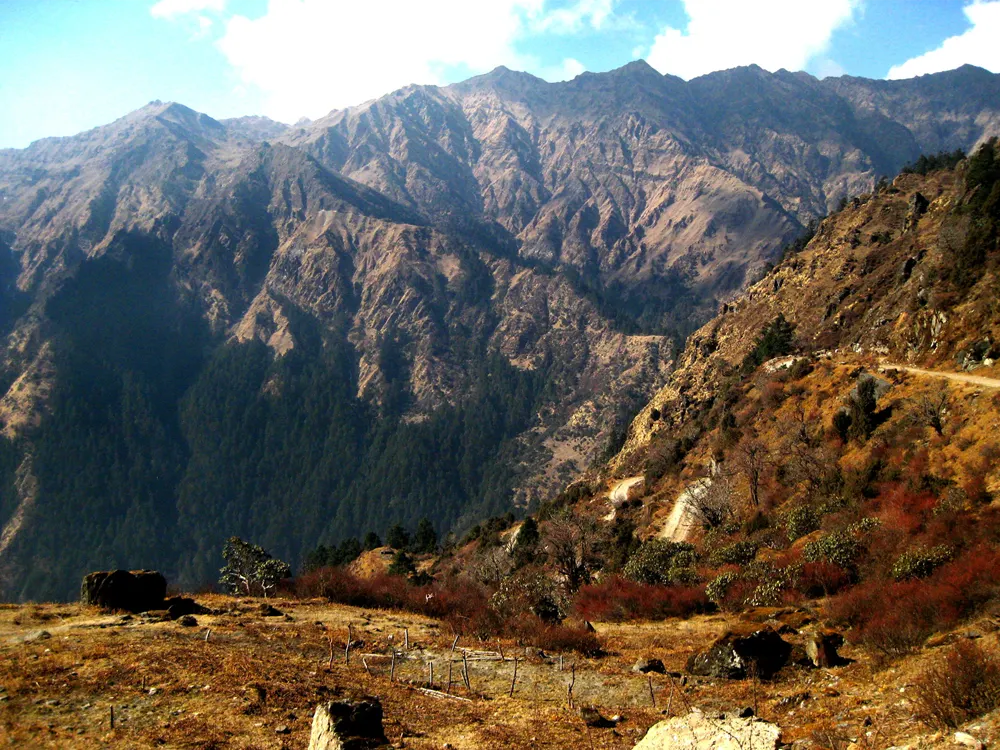
The variety of minerals found in the region, including ruby, gave rise to the nickname Ruby Valley. Rare flora and fauna as well as minerals such as zinc, crystal, and ruby can be found there. Located in the Langtang area, Ruby Valley Trek is perched atop Ganesh Himal. In addition to offering breathtaking views of the Himalayas, the path offers insight into the lives of its many closely-knit communities, such as Brahmin, Newar, Tamang, and more.
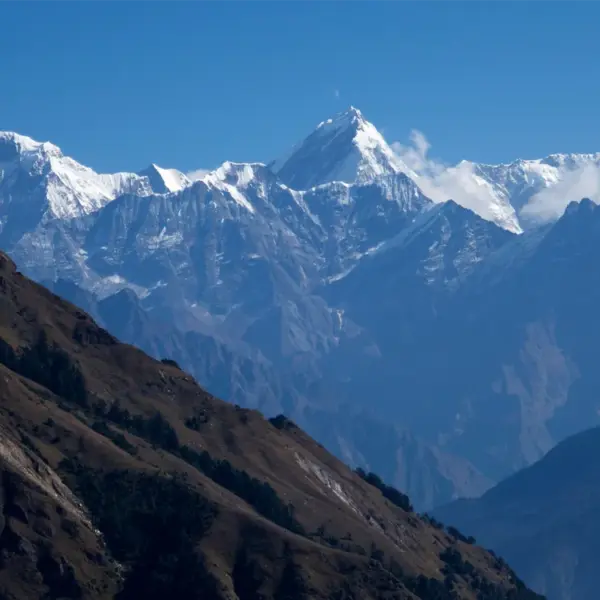
Along with the breathtaking views of the Hiunchuli Dorje Lakpa, Ganesh Himal, Lamjung Himal, Boudha Himal, Langtang Lirung, Manaslu, and several more summits, you are going to witness the two beautiful falls, the Ganga and Jamuna. Additionally, one may see a large number of shrines, monasteries, and temples, that are distinct from one another but complement one another.
We will go via the Manaslu Conservation Area and Langtang National Park. This itinerary will allow you to see a variety of unusual and exotic plants, including oaks, Rhododendron, Sanjivni, alpine forests, caterpillar fungus, and asparagus. Your tour will be unforgettable because of the wildlife, which includes bears, a variety of birds, barking deer, Himalayan goral (goat-like animals), snow leopards, musk deer, and more.
In addition, you may enjoy the serene atmosphere while gazing upon magnificent lakes such as Ganesh Kunda, Kalo Kunda, and Seto Kunda. Due to its lack of fame, the journey has not yet gained a huge following, yet this feature of Ruby Valley distinguishes itself among other renowned excursions in Nepal by allowing for an intimate and personal trekking journey.
- Owner operated
- Price match guaranteed
- Tailored made trip
- Secured online payment

Trip Highlights
- Experience the culture of the locals and visit multiple monasteries on the way.
- Chance to spot rare Himalayan birds and animals.
- Visit multiple aesthetic Himalayan lakes.
- Take a dip in the relaxing natural hot springs.
- Trek a less-crowded Himalayan destination

Detail Itinerary
Day 01: Arrive in Kathmandu international airport then transfer to Hotel
As you arrive at the Tribhuvan International Airport in Kathmandu, your 1st day of the tour begins. We will make sure that one of our reps is present at the airport to pick you up and escort you to your hotel room. While at the front desk, he will provide you with brief info about the trek and sightseeing tour tomorrow.
If you are up for it, you can explore the nearby attractions on your own to make the most out of your time. We expect you to rest fully as we will be having a busy day tomorrow.

Activity: 30 Mins Drive to Hotel

Accommodation: Hotel

Meal: Welcome Dinner

Max Altitude: 1,400m/4,593ft. (Kathmandu)
Day 02: Full day Heritage sites tour in Kathmandu and trek preparation
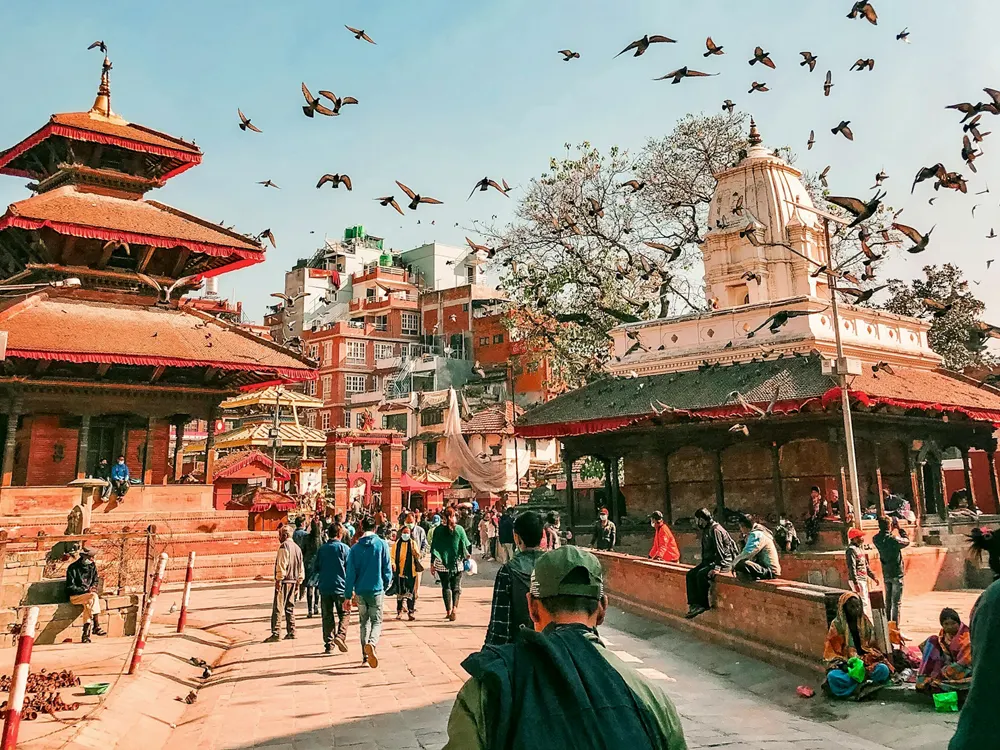
Starting our sightseeing tour, we will go to Kathmandu Valley Square first. The views of the Kathmandu Valley Square include the fierce Kal Bhairav, the palace of the Living Goddess, and numerous sensual sculptures.
From there, we will head towards Swyambhunath. Enclosed by stupas, multiple types of temples, shrines, paintings of gods, and countless other religious things, Swyambhunath is one of the most enchanting and old holy sites. Our next stop is Boudhanath, which is among the biggest stupas in the globe and the most revered Tibetan Buddhist gompa beyond Tibet.
Lastly, we will visit the Patan Durbar Square. The entire plaza is filled with exquisite pagoda structures and stone figures. One encounters a work of creativity or a representation of a god at every turn, demonstrating the exceptional talent of Patan’s unidentified artisans. You are free to choose the sites that you would like to visit, we are not limited to just these sites.
After the sightseeing ends, we will prepare for our trekking journey. If you are not aware of the preparations for the trek, our guide will help you.
Activity: Full day Heritage sites tour
Accommodation: Hotel
Max Altitude: 1,400m/4,593ft. (Kathmandu)
Day 03: Drive to Gatlang
We will leave for our four-wheel drive tour north of Kathmandu after our morning meal. We head out of Kathmandu and onto the beautiful rural area. The Himalayan pass, located 35 kilometers from Kathmandu, offers a stunning view of the stunning Mt. Jugal and Ganesh’s snow-capped summits.
We next descend to the basin of the Trishuli River and ascend once more to Dhunche. At this point, Langtang National Park is reached. The route then descends once more to Syabrubensi, which is only 15 kilometers away from Gatlang over a gravel road.
We will not be trekking today and instead spend the night in Gatlang. You can take an evening stroll through the village, taking in the fresh air of the countryside while watching the locals do their thing.
Day 04: Trek to Somdang
Starting off, we will take you on a brief walk to the Parvati Kund; it takes approximately forty-five minutes to get there from our previous stop. After taking a leisurely stroll about this hallowed pond, we will continue along the route through a beautiful Rhododendron jungle, heading towards Yuri Kharka.
Following the path, we will get to see the captivating vistas of Ganesh and Langtang Himal that will accompany you as you stroll along the peaceful path. We resume our walk to Khurpu Bhanjyang after arriving at the Yuri Kharka after about 5 hours of hiking, and then we drop to the River of Somdang.
The route from the river connects to the Somdang Valley, which is recognized as the dividing zone between Dhading and Rasuwa districts. Some old mining shafts are also visible along the walk. The mining trenches were once used to collect copper, zinc, tin, and other materials, however, they are not active anymore.
Day 05: Trek to Forest Camp via Pangsang La Pass
Today’s journey is the hardest yet most fruitful. You will be astounded by the vistas of the towering Ganesh and Manaslu Himal as we begin our excursion with a hike to Pangsang Pass, which is located southwest of Somdang. The greatest spot to take in the surrounding scenery is from the Pangsang Pass.
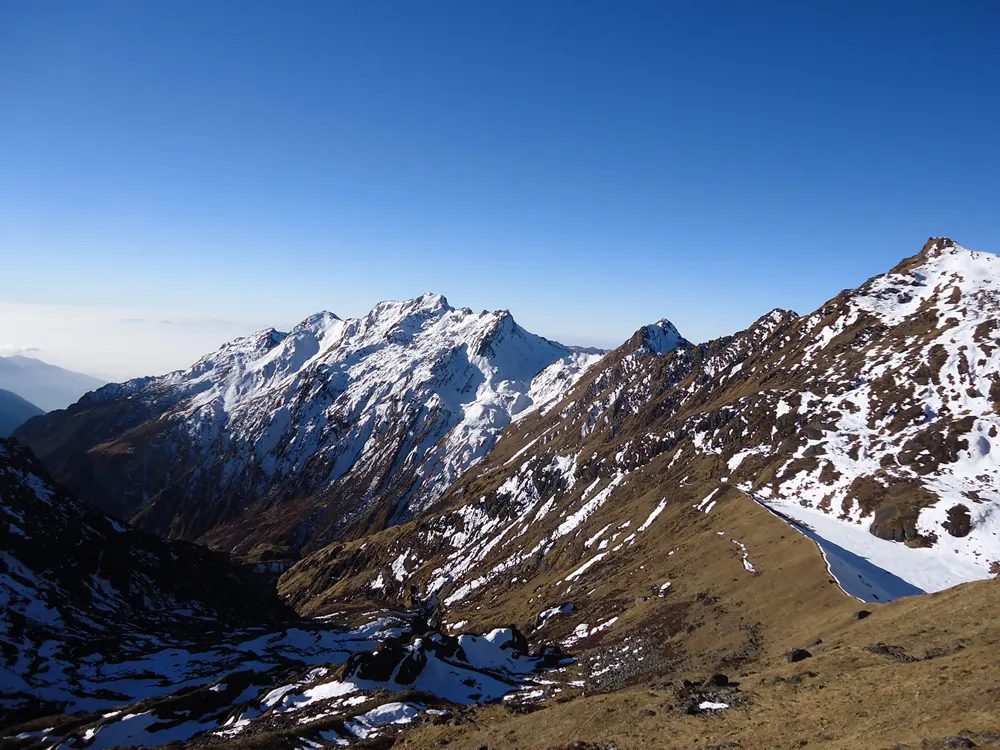
A vast, wide meadow with breathtaking views of the surrounding mountains, such as Mt. Manaslu, Ganesh, Annapurna, and more, can be found at the 3845-meter-high Pangsang La Pass. Additionally, the area’s immense biodiversity allows you to discover a variety of therapeutic plants and herbs. After spending some time admiring the views from the pass, we head into the thick forest to Forest Camp.
Day 06: Trek to Tipling
Today, our trek will only last for 1.5 hours, at maximum. We will reach the village of Tipling shortly after we begin our trek in the early afternoon. Since we do not have to cover much ground today, we will not be moving shortly after our breakfast.
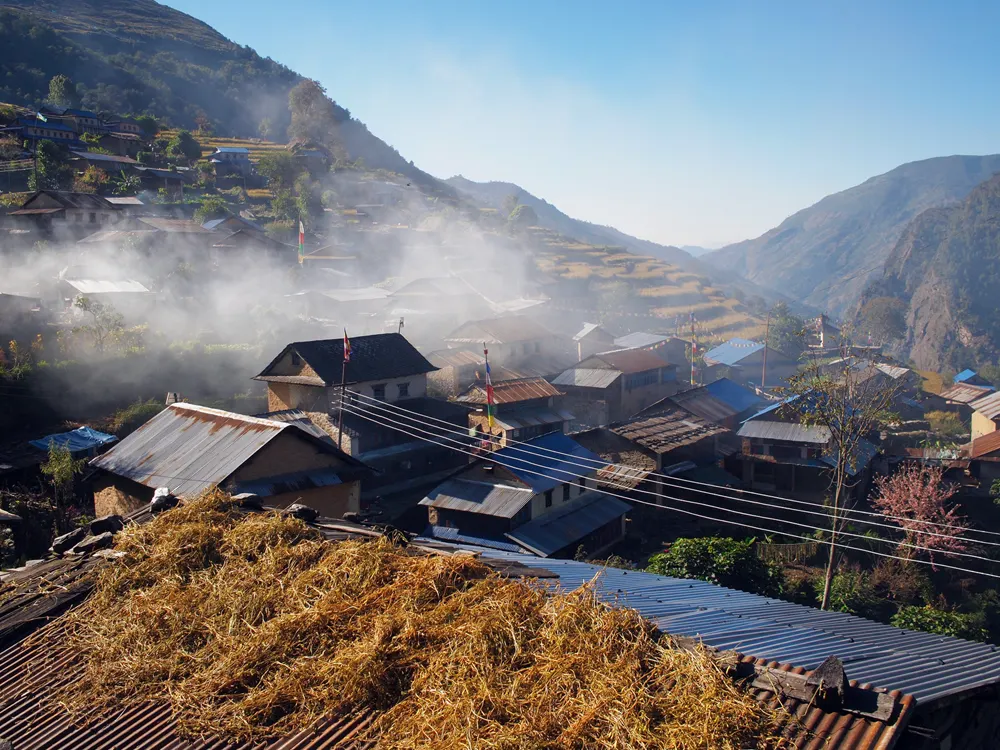
Once we reach Tipiling, we will book our accommodations, unload our shoulders, and explore the open village. Tipping is an interesting village as the people there are more superstitious (compared to other villages on the trek). The locals there practice Shamanism, a practice in which the Dhami/Jhankri (Shaman) claims to have the power to connect and communicate with the spirits.
Besides that, the village is full of interesting things for you to discover and learn. You will find locals using different tools for farming, old women knitting using traditional tools, along with the Tamang people just going by their day.
Day 07: Trek to Chalish Gaon via Shertung Village
On this particular day, we will start the day on a path to Adha Khola following breakfast in the morning. We ascend in the direction of the Tamang settlement of Shertung after traversing the Adha Khola river. Walking around the village of Shertung allows you to establish a stronger bond with the Tamang locals living there. Dalits, Gurungs, and Tamangs live in these settlements, offering a varied cultural excursion.
After that, we will keep on walking to Chalish Gaon. This hamlet is home to Tamang, primarily, in addition to the Gurung tribe. But first, we will keep walking in the direction of the Tatopani before we explore the settlement. We will spend some time unwinding in Tatopani’s natural hot springs before returning to Chalish Gaon for a restful night.
Day 08: Trek to Borang
We strongly advise you to savor the trail’s marvels on your last few days of hiking day as you go to Borang village. We will descend to a river named Lishne Khola and follow the river until we reach the destination of the day. It should not take more than 4 hours to reach our stop of the day.
You’ll feel nostalgic when you observe several tranquil communities on the way. Also, be sure to take a bunch of pics so you have something to remember about your time in Nepal.
At 1700m, the village of Borang is our last night in the countryside.
Day 09: Trek to Darkha Phedi & Drive to Kathmandu
Today is the last day of trekking. We will get up early as usual and begin having our breakfast. After we are done, we will leave for Darkha Phedi, where our Jeep will be waiting for us.
After crossing floating bridges and soaking in amazing vistas of Chyamchyat village on the opposite shore of the river, we will arrive at Darkha Phedi. This hamlet is a mixed-culture community made up of Tamang, Dalit, and Brahmin residents. After reaching our immediate stop, we will have our lunch.
From Darkha Phedi, we will reach Kathmandu in just 5 hours.
Day 10: Final Departure
Day 10 is officially the last day of your Ruby Valley Trek. We will meet up for a last time and work out the remaining procedures of the trek. After everything has been processed, we will escort you to the international airport in Kathmandu.
If our standard itinerary doesn't fully meet your needs, we are happy to tailor it to your specific preferences and requirements.

Includes and Excludes
What’s Included?
- Private Transportation from Kathmandu to Gatlang ( Rasuwa)– Trekking starting point ( Jeep / Bus).
- Private Transportation from Dhading to Kathmandu– Trekking Ending point ( Jeep / Bus).
- Complete departure information, about trek, trekking guide, trekking crews and altitude sickness before the trek starting.
- First night and last night 3-star hotel in Kathmandu with breakfast.
- By private transportation all picks up and drops.
- Full board meals throughout the trek.(breakfast, lunch and dinner included chosen from lodge menu.)
- Twin share mountain lodge accommodation during the trek.
- licensed holder trek guide, helpful & friendly porters (1 porter =2 people) and their food, accommodation, salary, equipment, and accidental insurance for all staff. (6 trekkers 1 assistant guide)
- Down jacket and four seasonal sleeping bags will be provided during the trekking (down jacket and sleeping bag are to be returned after the trip)
- Trekking permit fee ( Langtang National Park/Shivapuri National park and Rural Municipality Entry Ticket fee)
- Himalayan idol Adventure Company’s logo trekking bag/duffel bag, t-shirt and trekking trail map.
- First Aid kits for the staffs and the groups, including Oxi-meter and Diamox tablets
- Services coordination for emergency and rescue operations
- Government taxes & Company service charge
- Welcome/Farewell dinner at reputed traditional Nepali culture restaurant
- Trip achievement Certificate
What is not Included?
- Meals not included.
- Travel insurance (Compulsory)
- Nepal entry visa charge.
- All beverages and others personal expenses.
- Snacks and other personal expenses.
- Battery charge, hot showers & international phone calls.
- Service not mentioned above
Trip Information of Ruby Valley Trekking – 8 Days
How does the Ruby Valley Trek start?
The Ruby Valley Trek path offers a fascinating blend of unparalleled landscapes and multiculturalism. The Ruby Valley journey may be completed by a variety of paths. Starting at Sybarubesi, the route takes you across the countryside highlands, where you’re going to hike past secluded communities and terraced farmland.
You will follow a narrow, twisting trail from Sybrunbesi and you will descend after ascending. Eventually, you will reach the little Tamang town of Gatlang.
You will travel via Yurikharka and eventually arrive at Somdang, which is mostly populated by Gurung people, after a strenuous day of travel.
Difficulty
All ability levels may successfully finish the Ruby Valley Trek, including those who are not experienced hikers. Hiking on this route takes you through many days of mild ascending and descending terrain, with a maximum elevation gain of 3850 meters at Pangsang La.
You’re going to need a strong sense of devotion to complete the Ruby Valley Trek, even if there are only a few difficult slopes. You’ll be on your feet for around four to five hours every day.
One excellent method to see Nepal’s breathtaking scenery is to embark on the Ruby Valley Trek. Even though there are a few somewhat difficult portions, it is doable in five days and appropriate for hikers of all skill levels.
Best Season for the Ruby Valley Trek
As winter comes to a close, April brings with it an increase in temp and daily warmth. Rhododendrons, orchids, and other beautiful plants blanket the slopes along readily accessible, manageable, and enjoyable pathways. The panoramas of the Himalayas, surrounding landscapes, and rivers are breathtaking during the season of spring.
The fall, which occurs in Ruby Valley from September to November, is among the region’s greatest trekking seasons. Following the monsoon season, the rain clears out the dust and provides a clean, pleasant, and dust-free atmosphere that is perfect for an amazing hiking adventure.
With a temperature of 20 degrees during the day and 5 degrees at night, the weather is also comfortable. Your journey will be the greatest in the fall because of the wide-open skies, stunning views of the mountains, and festive atmosphere.
Altitude Sickness
There is very little if any, risk of altitude sickness during the Ruby Valley Trek because the hike to the Ruby Valley takes you to the peak height of 3842 meters at Pangsang La Pass. Remember, though, that because you will be trekking over 2500 feet, there is a chance that you may have mild altitude sickness.
Therefore, to prevent this illness, consume a lot of fluid-rich foods like soup, lentils, and so on, along with lots of water. Additionally, you must be mindful of walking at the appropriate pace while on this hike.
Accommodation, Food, and Beverages on the Ruby Valley Trek
Along the trail, you will be usually accommodated at lodges and guest houses run by the locals. These accommodations provide basic facilities such as a place to sleep, covers, and freshly cooked meals. While many tea shops have electricity, not many have internet facilities.
The guest houses offer a cozy spot to take breaks from the walk. There are many different types of housing available, ranging from simple rooms to guest houses with many rooms and additional facilities. The Ruby Valley route is a lesser-known route, thus finding a spot to stay without having to reserve rooms beforehand is easy.
It is not recommended for the hikers’ health to drink water directly out of the faucet. Therefore, always consume filtered or boiling water to avoid any health risks. It is nearly difficult to consume boiled water all through the trip, so carry water-purifying tablets in your luggage and employ them as needed.
Our Ruby Valley Trek package covers all your accommodations and food (3 meals per day) expenses during the trekking days but it does not cover any of your drinks including drinking water.
Transportation
The Ruby Valley Trek requires us to travel to the starting point of the trek via bus ride. We also have to travel by jeep/bus to reach Kathmandu after the trek ends at Darkha Phedi. Likewise, you also need transportation to and from the international airport in Kathmandu. All of these transportation costs are covered by your Ruby Valley Trek package.
Permit for Ruby Valley Trek
With just a Trekkers’ Information Management System (TIMS) card, it is acceptable to hike the Ruby Valley. However, the starting point of our trek is Syabrubesi according to this itinerary we have designed. Thus, a Langtang area trip permit—the Langtang National Park Entry Card—is needed to begin the hike from Syabrubesi.
You can get these permits on the way as well but, it is always preferable to obtain these permissions from the Kathmandu office. On the other hand, these permits are available for purchase at the Dunche Park entrance if you so want. The settlement of Dunche is located in the Rasuwa district, preceding the village of Syabrubesi.
As a part of the service, the Ruby Valley Trek package will cover these expenses.
Trip preparation and fitness
Clearly not for the faint of heart, the walk to Ruby Valley requires trekkers to walk dirt and gravel roads. Instead, it is intended for average hikers with a respectable degree of fitness. It will help you if you happen to have prior expertise in hiking.
Before starting this walk, the most important thing to remember is that the path has several ups and downs. As a result, mentally prepare yourself for a minimum of five hours of daily ascent and descent on the less-traveled hiking paths. Before the real hiking, you should jog and engage in other regular physical activities.
Gadgets, Charging, and Internet on the Ruby Valley Trek
There is no need to worry about electricity when hiking in Ruby Valley. But when you visit areas like Pangsang, you will notice that people use solar energy to generate electricity. Therefore, while visiting such locations, you could occasionally run into trouble recharging your electronic devices.
Unfortunately, you will not have internet available all along the Ruby Valley Trek itinerary. Actually, you may use the wifi service in the majority of the area but not at every stop. But be prepared to let yourself down if you hold yourself to that standard during the trial.
Your Extra expenses
Unfortunately, we can not cover all your expenses. Personal expenses such as travel insurance, medical insurance, visa fees, emergency services, hot showers, WiFi, charging expenses in villages, tips for the crew members, and anything not mentioned to be covered by this package.

Frequently Asked Questions
Yes, the Ruby Valley Trek is beginner-friendly but you must be physically sound to be able to trek all the way through.
Yes, if you need to be rescued immediately, a helicopter will take you to the closest hospital for treatment.
No, your emergency service expense is not a subject of coverage. Your travel insurance provider is the one responsible for covering this expense.
You will have to trek for 6 days. The final two days of the trek are short and easy.
This package will cost you $ _____. Considering the number and level of services that we provide during the trek, it is a justifiable amount. You will also receive a detailed bill of the expenses and service fees.
Yes, you may modify the itinerary but we can not always go with what you prefer. For instance, if the destination that you have added in the itinerary is far away and does not have proper accommodation, we will have to drop that idea.
The minimum number of people in a group is 2. We do not take solo travelers on this journey.
Yes, you can trek this solo. The Ruby Valley does not fall under any conservation area which mean that international tourists are free to trek this region solo without the need to a licensed guide. But if you going on this trek solo, you might face some issues such as communication gaps and getting lost in the dense jungles on the way.
- Owner operated
- Price match guaranteed
- Tailored made trip
- Secured online payment
 Testimonial
Trip Reviews
 You May Also Like