


Booking open: Secure your trip early for the seasons 2026 & 2027
Best Time to Trek in Nepal: A Complete Seasonal Guide
11 June 2026
By admin

Nepal is one of the most popular destinations for trekking in the world and there are numerous trekking routes that you can go on, some of which are short and scenic while others are challenging. Nepal has eight of the fourteen highest mountains in the world, including Mount Everest and is the favourite destination for the trekkers from all over the world. However, one of the most important factors to consider when planning a trekking trip is the time of year. The trail conditions vary from year to year, as does the weather and the number of people, and of course the mountain views.
The Best time to Trek in Nepal will be able to assist you when you decide on when to make your trip, depending on your choice, fitness and the area you are going to trek in Nepal. In Nepal, there are trekking alternatives available during all the seasons; but every season has its pros and cons. There are different conditions every month: some nice, clear weather, some nice trails and blooming landscapes, and some nice cultural events.
This is an all-season guide providing details about the trekking seasons in Nepal in 2026-2027 and how to determine when to trek in the Himalayas.
Understanding Nepal’s Trekking Seasons
There are four major trekking seasons in Nepal: Spring, Summertime/Monsoon, Autumn and Winter. The country has different geographical areas, which have varying weather patterns, but the following four seasons broadly govern the weather of trekking in the Himalayas.
Temperature, rainfall and visibility are the main factors that affect the trekking calendar. The weather is very different at higher altitudes from that of lower hills, and some parts of the state get more rain during the monsoons than others. Popular trekking trails like Everest Base Camp, Annapurna Circuit and Langtang Valley can be done throughout the year, but it can be very different in each season.
Recommended Trip
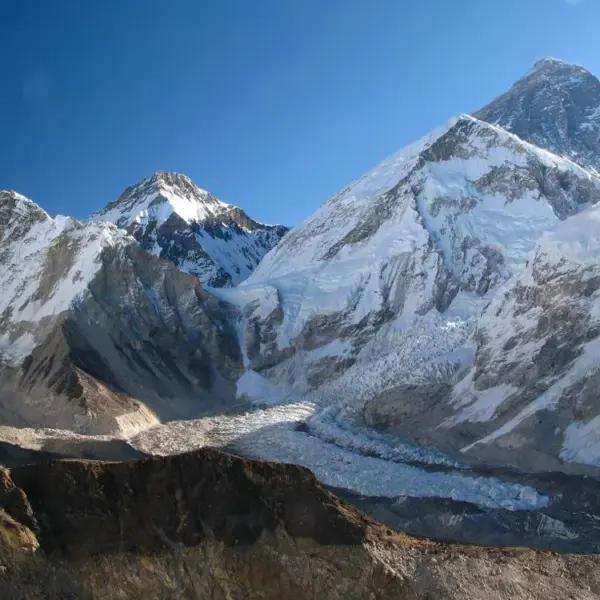
Everest Base Camp Kalapathar Trek
Nepal is one of the most popular destinations for trekking in the world and there are numerous trekking routes that you can go on, some of which are short and scenic while others are challenging.…
 16 Days
Spring and autumn in Nepal are the most popular seasons for trekking, as the weather conditions are generally stable and the mountainous areas offer clear skies.
Spring Season (March to May)
Spring season is one of the most beautiful seasons to trek in Nepal. With the gradual fading of winter, it is time for the mountains to bloom again, bringing warmer temperatures and new greenery.
It is the start of the trekking season in March. Mild weather is in the lower areas, and some snow remains in the higher areas as well. It is perfect trekking weather throughout many areas by April. Hillsides are filled with vibrant red, pink, and white blooms of rhododendron, creating a colorful landscape. May is a fairly warm month and is generally good for trekking, although there is a possibility of pre-monsoon showers at the end of the month.
The temperatures are generally nice during the day in areas that are popular for trekking. Trails are open, and the views of the mountains can be great in the morning. Routes to Everest Base Camp at 5,364 m (17,598 ft), Annapurna Base Camp at 4,130 m (13,550 ft) and the Thorong La Pass at 5,416 m (17,769 ft) are especially popular during the spring season.
Spring is also the best time to trek in Nepal because of the chance to make climbing trips. The season is when mountaineering teams usually start climbing towards the Himalayas, particularly Everest.
The only drawback is that the popular routes may be crowded, particularly during the month of April. It is advisable to make a booking in some of the larger trekking villages as these can fill up quickly.
Summer and Monsoon Season (June to August)
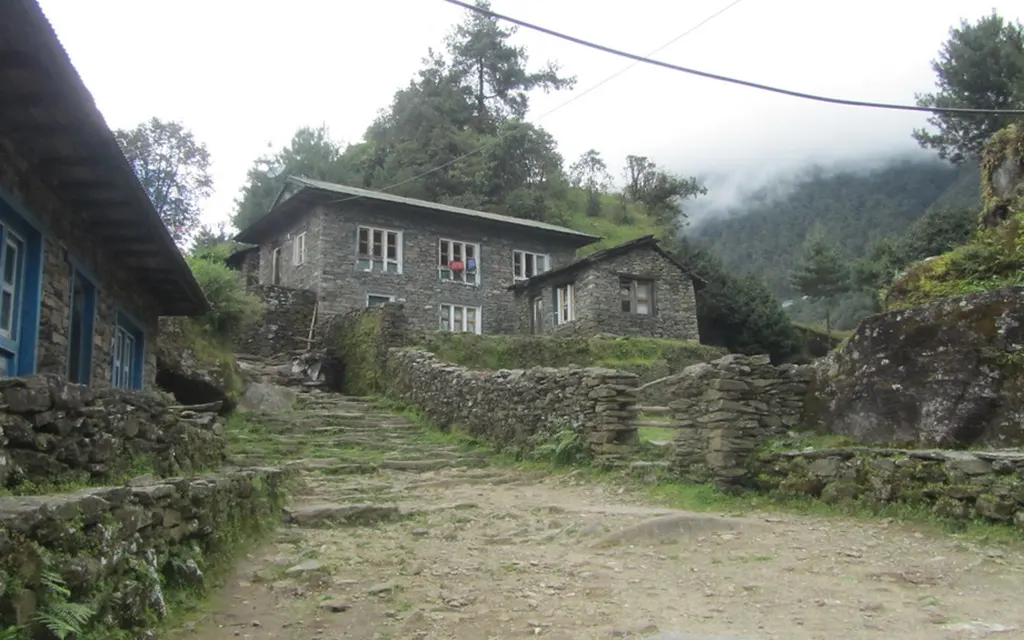
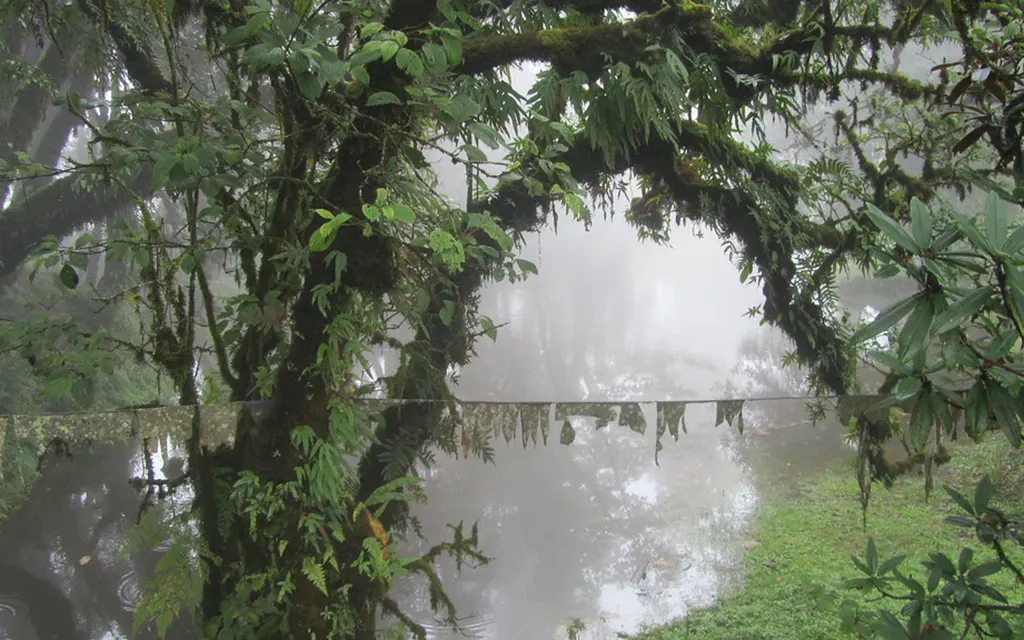
The season when Nepal is hot and rainy is the summer season. A lot of rain falls across much of the country from the moisture-laden winds from the Bay of Bengal. The time is one of the least favorite seasons for trekking in eastern and central Nepal.
Heavy rains can cause muddiness on the trails, landslides, and affect visibility in the mountains. Clouds often block out a Himalayan vista, and trails can become slippery. Leeches are found in lower forests, especially below 3,000 m (9,843 ft) elevation.
Though there are difficulties, monsoon trekking is done. Some areas are located in the rain shadow region of the Himalayas and experience less rainfall. Upper Mustang (between around 2800 m and 4200 m/9186 ft and 13780 ft) and Upper Dolpo are some of the best places to do trekking during the monsoon season.
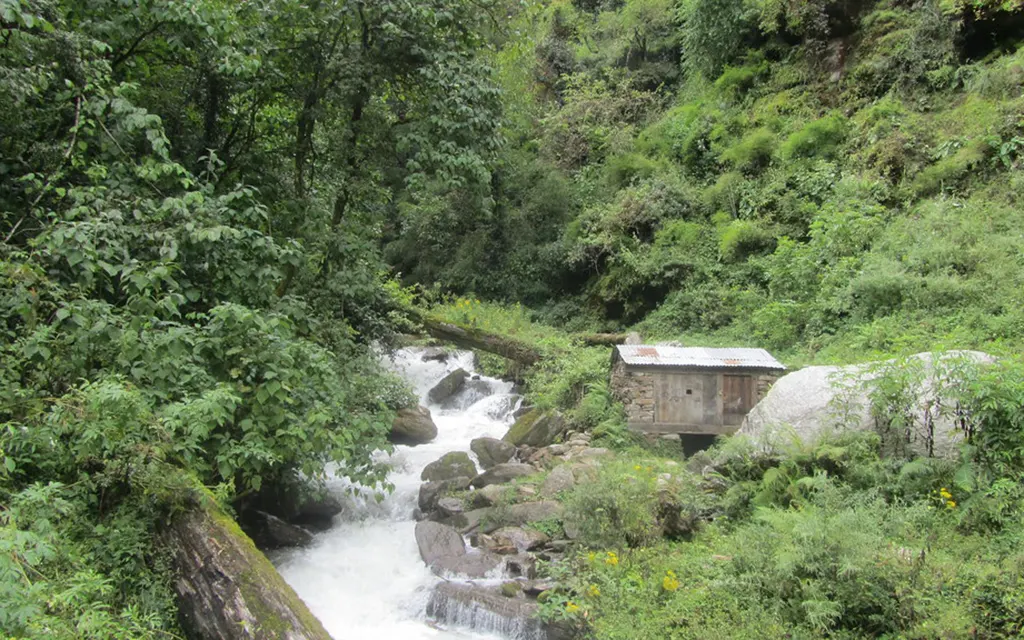
During this season, the landscape turns very green. Rivers run with force, waterfalls are in their prime, and fields of crops grow on hills. For photographers with a penchant for dramatic clouds and abundant greenery, the monsoon season may be a dream come true.
This season is also appealing for those wishing to explore quieter trails. There are fewer hikers on the popular trekking trails during summer and winter. While it’s not usually the best time to trek in Nepal during the summer, it can be a rewarding time if you’re in the right spots.
Autumn Season (September to November)
Autumn is considered the prime trekking season in Nepal. After the monsoon rain, the air clears and is clear providing excellent visibility over the Himalayas.
September is a transitional month as the monsoon clouds start to fade. October is the hottest time of the year. Despite the clouds, steady weather and stunning views of the mountains bring in trekkers from all over the world. November is still a great trekking month, although colder temperatures start to set in at higher altitudes.
In the autumn season, the trekker can admire beautiful views of the iconic mountains like Everest, Manaslu, Annapurna I and Dhaulagiri. In this season, it is often the best time to see the best, which makes it a favorite for photography lovers.
The daytime highs are pleasant at the lower and middle elevations, and the high mountain areas have cooler but still pleasant temperatures. Autumn is a great time to go trekking on Everest Base Camp, Annapurna Base Camp, Langtang Valley, Manaslu Circuit, Annapurna Circuit, and many more.
The season also falls in the major festivals of Nepal like Dashain and Tihar. There are times when trekkers will be able to enjoy local festivities, culture, and village life.
Many people believe that the autumn season is the ideal time for Trekking in Nepal due to the consistent weather, breathtaking mountain vistas, and mild climate. The main disadvantage is crowding. Popular hiking trails may get crowded, particularly in October. Booking might be necessary for tea houses and domestic flights to trekking areas.
Winter Season (December to February)
During the winter, the temperatures in Nepal’s mountains are colder at higher altitudes. Many alpine areas start to receive snow, and some high mountain passes can become impassable.
Although cold weather, winter trekking has several merits. Trails are much quieter, lodging is more plentiful, and mountain views are often very good because of the stability of the atmosphere.
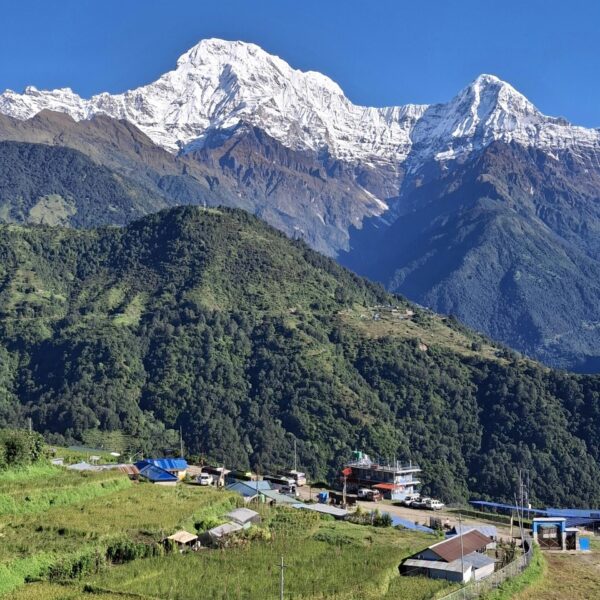
The treks at lower level are still lots of fun in winter. These are popular treks like Ghorepani Poon Hill Trek (viewpoint at 3210 m or 10,531 ft), the lower Annapurna region, and numerous treks in the Kathmandu Valley hills.
Recommended Trip
Nepal is one of the most popular destinations for trekking in the world and there are numerous trekking routes that you can go on, some of which are short and scenic while others are challenging.…
8 Days
For the more adventurous, you can still do the Everest Base Camp trek, if you are well equipped and prepared. Temperatures do fall well below freezing, however, especially above 4,000 m (13,123 ft). The nights at Everest Base Camp and in the surrounding villages can be very cold above 5,000m.
Snow-covered landscapes give the atmosphere of the Himalayan region, which is always attractive for trekkers. Winter is also a time of relative quiet in Nepal for trekking. Although the winter season in Nepal can be tough, it can certainly be the Best time to trek in Nepal for those who enjoy solitude and are not afraid of the cold weather.
Best Season for Popular Trekking Regions
The best season for trekking varies slightly depending on the trekking region. The best time to visit the Everest region is spring and autumn. These seasons offer the best views of Everest and less extreme weather. It is possible to trek during the winter months, but much colder, and during the monsoon season visibility is often reduced by cloud.
It is a suitable area for the whole year, but the spring and autumn months are the most favorable. The lower routes are good in the winter, and rain shadow regions like the Upper Mustang are great in the monsoon.
The Langtang area is especially lovely in the spring when the rhododendron forests are in bloom. Fall is another great time to hike and enjoy good views of the mountains.
Larkya La Pass is at 5,106 m (16,752 ft), and the weather is important to cross this pass, so the Manaslu Circuit is recommended in Spring and Autumn. There are a few places that are still suitable for trekking during the monsoon season: remote rain-shadow areas like Upper Mustang and Upper Dolpo.
Weather Considerations at High Altitudes
The higher the elevation, the more unpredictable the weather. Weather changes very quickly above 3500 m (11483 ft) at all times of the year. The sun can suddenly turn cloudy, snowy, or gusty. The difference between day and night temperatures is also large. Nighttime temperatures are often below freezing at elevations above 4000 m (13,123 ft) even in the spring and autumn seasons.
There is a great variety of weather to be expected on routes traversing high mountain passes or leading to base camps. Clothing, sleeping bags and scheduling of activities are important year-round. Knowing about these changes in the weather with altitude better enables travelers to select the best time to trek in Nepal, based on their comfort and trekking goals.
Choosing the Right Season for Your Travel Style
When to trek is dependent on your priorities. The autumn months are ideal for the trekker who wants a perfect view of the mountains, a nice warm temperature, and classic trekking weather. Owing to the colorful landscapes, blooming forests and a slightly warmer temperature, spring might be more suitable for those who enjoy them.
For the adventurer who craves solitude, winter is a good option; for the more experienced trekker interested in unusual landscapes and fewer crowds, the rain-shadow areas would also be good during the monsoon season.
Those who want to travel on a budget may find that they can get better deals when it is not a peak season, which is often the case during winter and monsoon seasons.
When choosing the best time to go trekking, personal tastes about weather, crowd, photography, and culture all have their significance.
Conclusion
While you can trek in Nepal all year round, each season has its own unique experience. Spring brings out flowers and beautiful mountains, warm weather, and rhododendrons. The weather is the most stable and the skies the clearest in the autumn, with the best conditions for trekking. The paths are peaceful in the winter, and in the monsoon season, the rain shadow regions in Nepal are open.
If you are planning to trek in the Himalayas in 2026-2027 you should consider spring or autumn as the best time to trek in Nepal. The seasons consist of fine weather, superb views and trekking on the country’s most popular trails.
Trip not found.
Ultimately, the best time to trek will depend on the person’s trekking goals, favorite vacation spot and the weather extremes. Each season in Nepal has memorable experiences and with a little planning and some realistic expectations, one can enjoy the amazing landscapes of the mountains.
Table of Contents
- Understanding Nepal's Trekking Seasons
- Spring Season (March to May)
- Summer and Monsoon Season (June to August)
- Autumn Season (September to November)
- Winter Season (December to February)
- Best Season for Popular Trekking Regions
- Weather Considerations at High Altitudes
- Choosing the Right Season for Your Travel Style
- Conclusion